


sponsored
Realizing Democracy
As long as it is more profitable to rig the rules than play by them, our better angels are unlikely to thrive. Part of the Winter 2020 issue's Realizing Democracy supplement funded by the Ford Foundation.
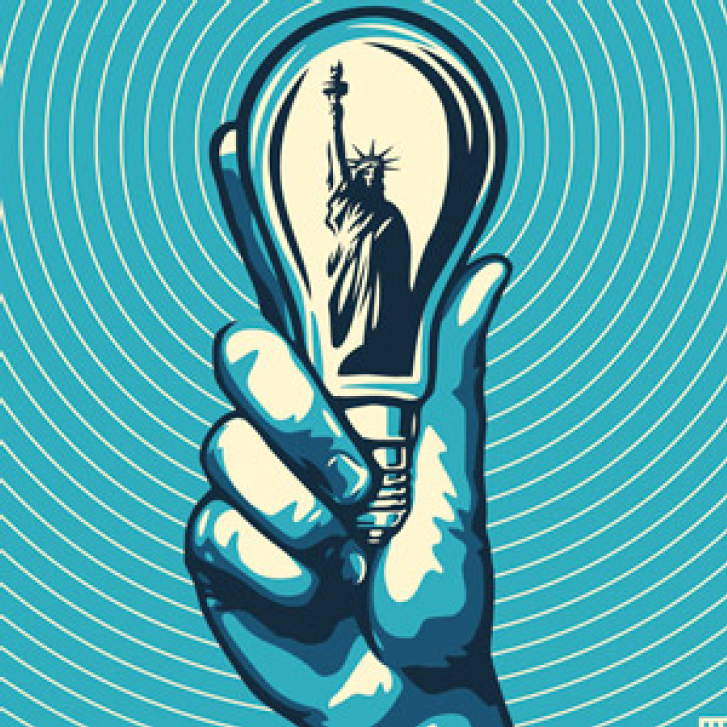
As long as it is more profitable to rig the rules than play by them, our better angels are unlikely to thrive. Part of the Winter 2020 issue's Realizing Democracy supplement funded by the Ford Foundation.
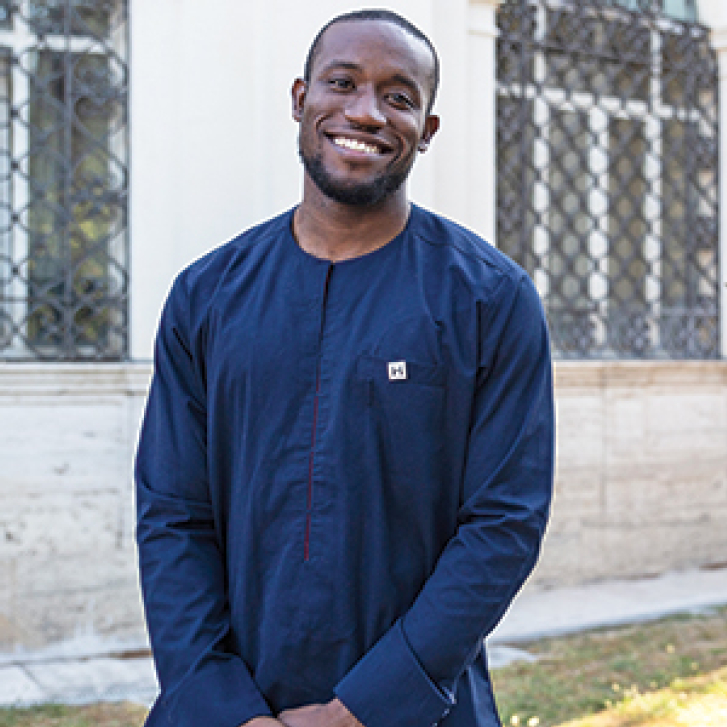
The Harambe Entrepreneur Alliance, a network of 304 entrepreneurs from 34 African countries, believes that business, rather than aid, is the key to eradicating poverty on the continent. A Case Study from the Winter 2020 issue.

It is often tempting to try to solve problems by looking for policy fixes, new technologies, and informational solutions, instead of addressing underlying power dynamics.
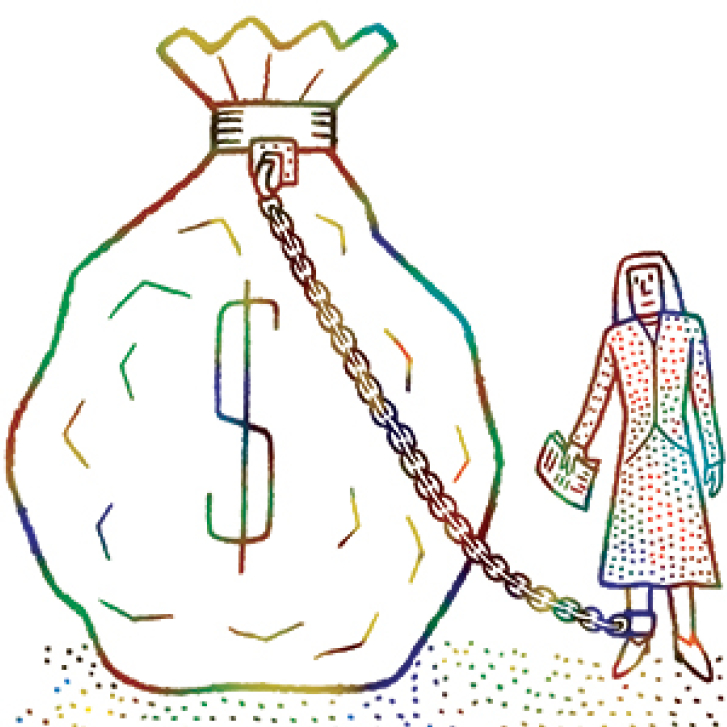
Foundation officers and endowment managers too often prefer exceedingly safe grants and investments because of misapplied principles, biases, and concerns about their reputations. A Viewpoint from the Winter 2020 issue.
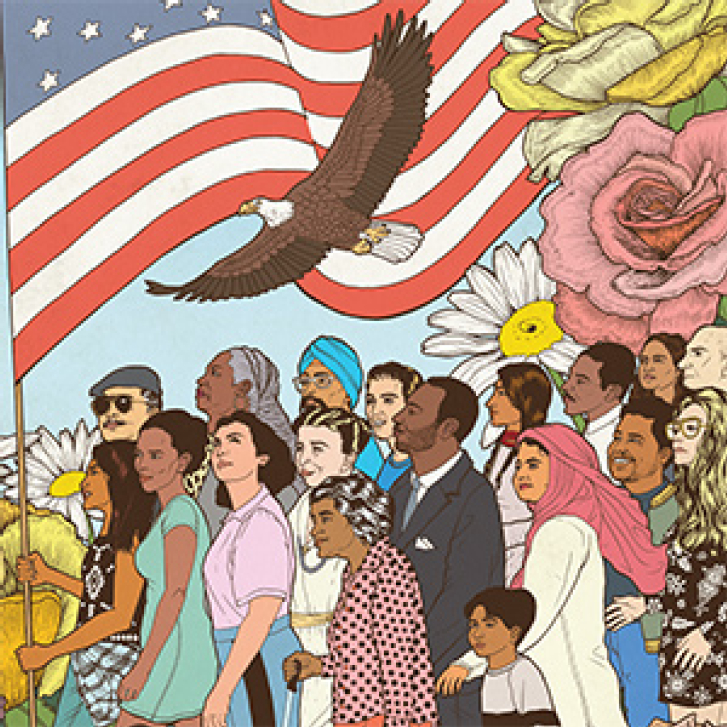
Organizers renew democracy by building the capacity it requires. Part of the Winter 2020 issue's Realizing Democracy supplement funded by the Ford Foundation.
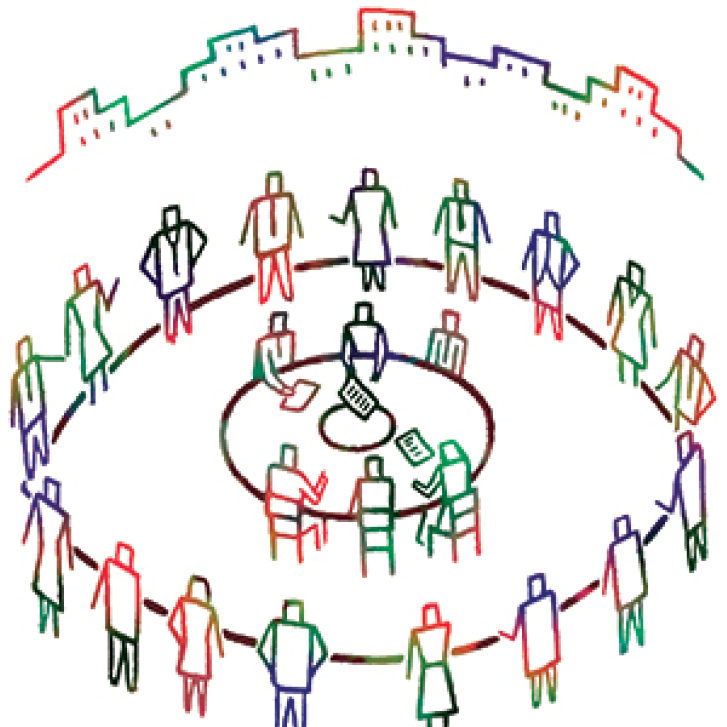
By understanding the impact of public contracting on their daily lives, citizens become more aware of the need for transparency and accountability. A Viewpoint from the Winter 2020 issue.
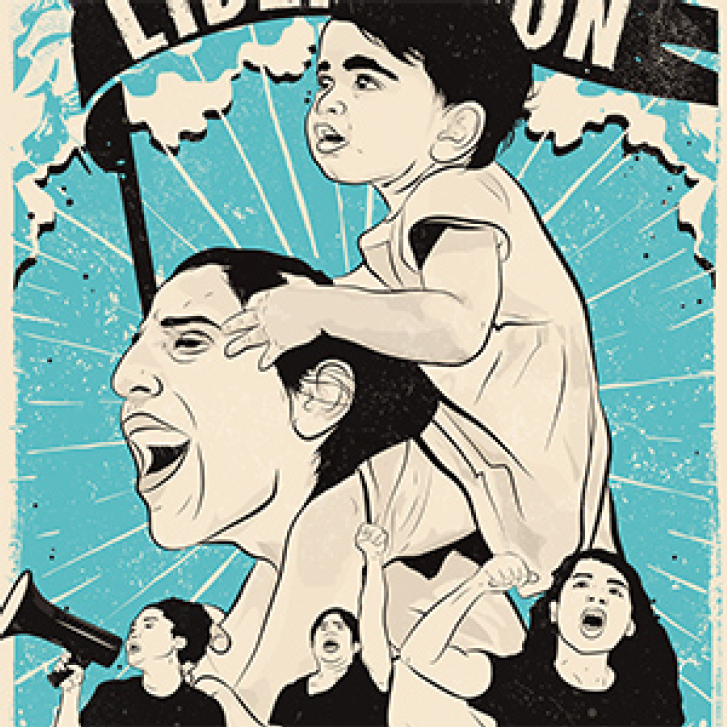
Powerful organization, rather than efficient mobilization, is the way to re-center people in our political life. Part of the Winter 2020 issue's Realizing Democracy supplement funded by the Ford Foundation.
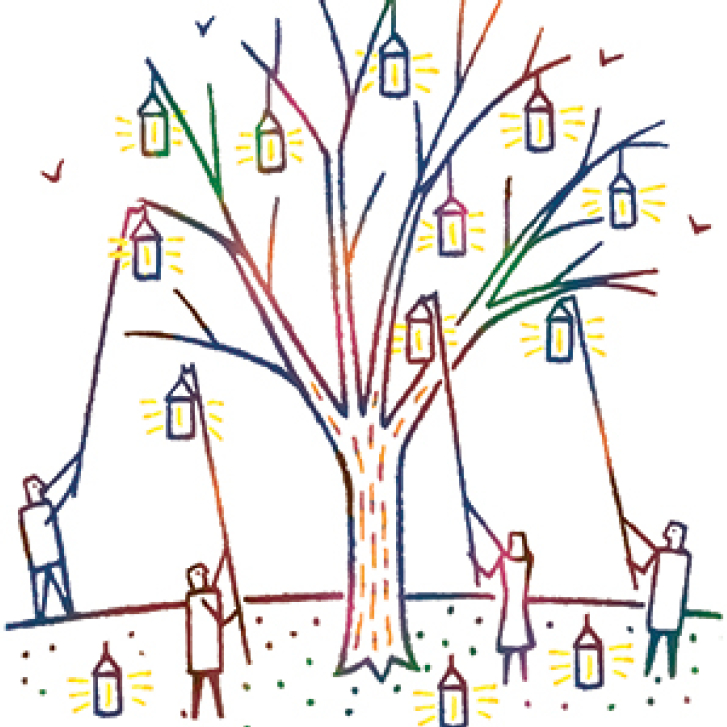
To grow the workforce that will advance the United Nations’ Sustainable Development Goals, foundations ought to bring back approaches they relied on decades ago. A Viewpoint from the Winter 2020 issue.
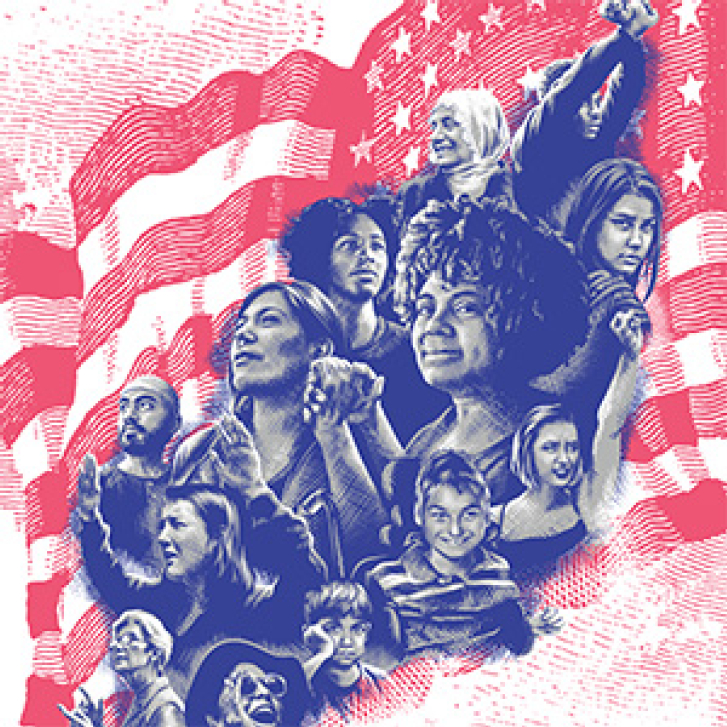
Recent research documents only a weak electoral connection between state legislators and their voters. It's time to break the cycle and restore political power to ordinary citizens over entrenched minorities. Part of the Winter 2020 issue's Realizing Democracy supplement funded by the Ford Foundation.
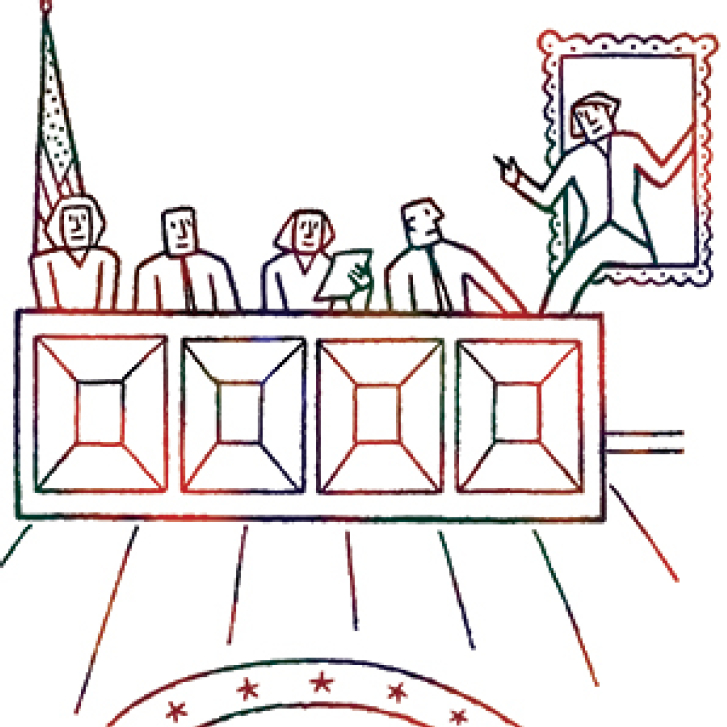
Current versions of local government artist-in-residence programs typically stop short of figuring out how to induce social change by focusing too much on the artists’ narrowly defined art projects. A Viewpoint from the Winter 2020 issue.