


Powerful, Not Powerless: Emerging Approaches to Massive Action
Mass mobilization to combat authoritarianism dates back millennia. New methods can harness the power of the people and advance causes for justice.

Mass mobilization to combat authoritarianism dates back millennia. New methods can harness the power of the people and advance causes for justice.

The nonprofit sector and its philanthropic supporters still too often overlook the most effective pathway to exponential impact.
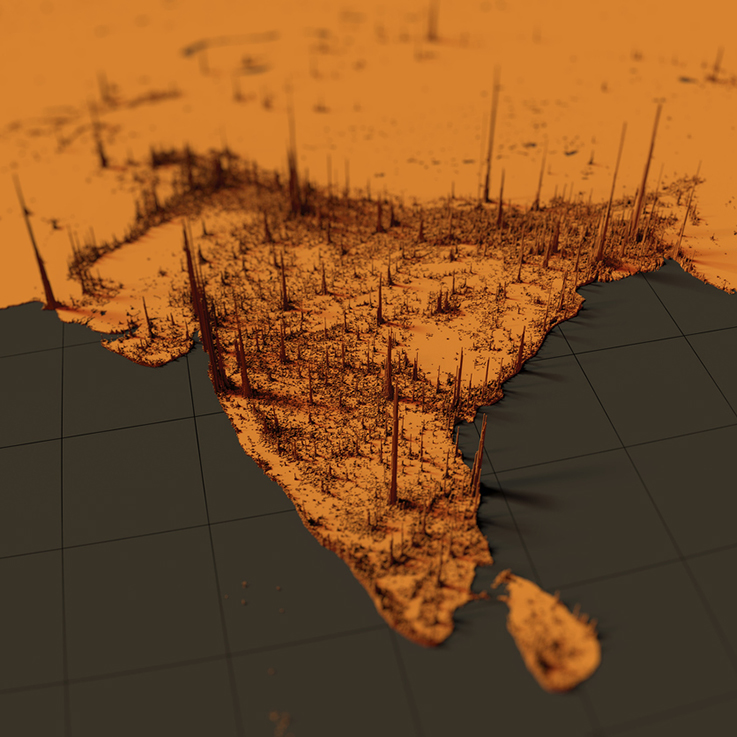
Data-driven decision-making has become central to education in India. While data provides invaluable insights, using it to shape policy is not without its risks.

How collaboratives can accelerate government initiatives to eliminate preventable global health problems, as seen in the case of Reaching the Last Mile Fund’s impact on a neglected tropical disease and the Beginnings Fund’s aim to increase maternal-newborn survival.

How the Bama Works Fund mobilized private, public, and philanthropic capital to transform public housing

In a difficult time when many nonprofits will be forced to close, nonprofit leaders and funders must act to preserve data and other intangible assets.

In the suburbs of Delhi, girls who have survived violence find inspiration in the indomitable spirit of artist-activists like Frida Kahlo and engage with self-portraiture as a means of building self-confidence.

A key factor preventing impact investing from reaching its maximum potential is the absence of robust monitoring and learning processes anchored in systems change principles.

A collaborative funder and fund leader discuss partnerships with local leaders, how to get funds moving where they need to go, and human-centered impact.

To close the digital divide, we need a capital market that powers community broadband.