


The Promise of Blue Carbon Credits
Kenyan fishing villages are restoring their mangroves in exchange for carbon credits and better fish stocks. Their community-led projects offer a model for doing conservation, sustainability, and development right.
Social innovations that improve the living standards of the poor (more)
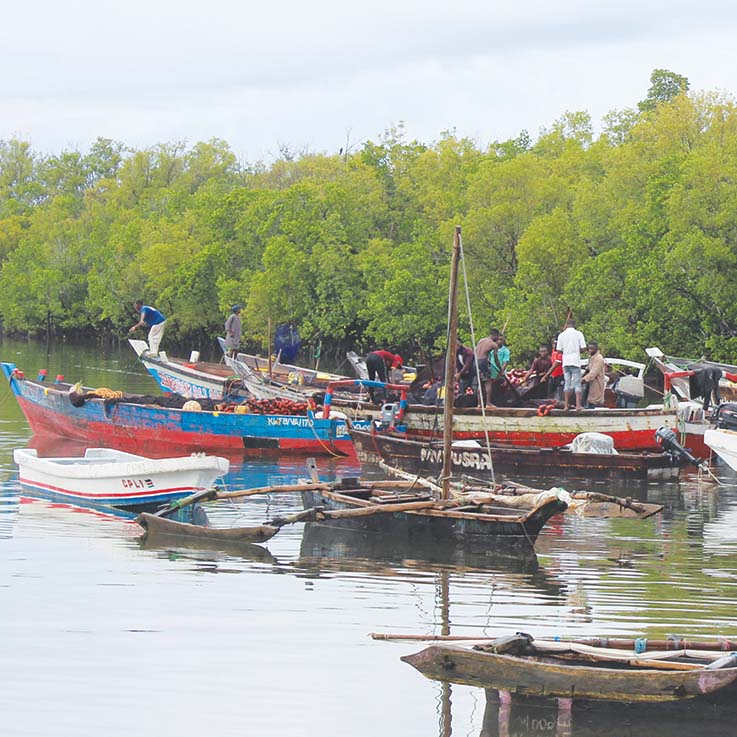
Kenyan fishing villages are restoring their mangroves in exchange for carbon credits and better fish stocks. Their community-led projects offer a model for doing conservation, sustainability, and development right.

We need an alternative vision of capital allocation that invests in and ensures a healthier, happier, and more equitable world.

Economic inequality is a foundational driver of societal breakdown and collapse. We believe the global system that protects entrenched wealth is ripe for disruption. We seek to transform it and help channel wealth to benefit people and the planet.


A budding success story in East Texas offers lessons for other underserved rural regions, philanthropies interested in rural revitalization, and CDFIs pursuing pathways to better engage and serve rural communities.

A look at innovations taking root in Brazil that preserve endangered ecosystems while fostering socioeconomic equity.

Many hurdles stand in the way of successful innovation. The case of Zipline, an autonomous drone delivery platform, demonstrates many of the pitfalls of the dominant modes of development in Africa, along with some potential solutions.

Multilateral development banks and humanitarian non-governmental organizations have mostly ignored each other while working to improve lives. But with poverty increasingly concentrated in conflict-affected countries, changes are needed to provide a better collective response.

There will always be a gap between need and funding in the humanitarian sector. How can we do more for the hundreds of millions of people who need aid? We need to maximize impact for every dollar spent.

Founders and investors should think about more than scale as they roll out gig economy platforms to the developing world. Doing so won’t just help workers; it will give platforms a better chance at success.