

Financing Broadband in Hard-to-Reach Communities
To close the digital divide, we need a capital market that powers community broadband.
Social innovations that improve the living standards of the poor (more)
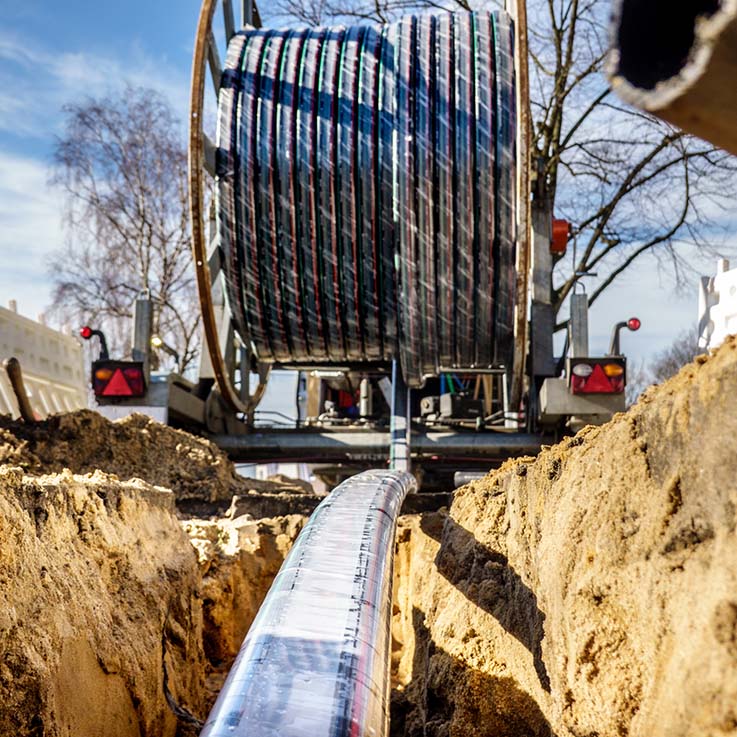
To close the digital divide, we need a capital market that powers community broadband.

With impact investment assets under management approaching $1.6 trillion, the industry needs to build better analytical methods to make the most of every penny. A new approach from the Global Impact Investing Network may show a way forward, but the need remains for more, better, and more widely shared data.

An ecosystem approach to investing in and supporting mutualist enterprises—from the ground up.
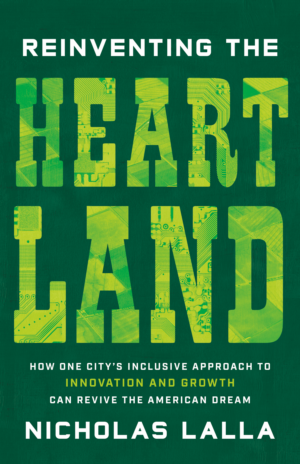
Urbanist Nicholas Lalla offers a playbook for tech-led economic development in midsize cities, avowing that inclusive growth can offset the worsening wealth inequities that the tech sector has helped generate.
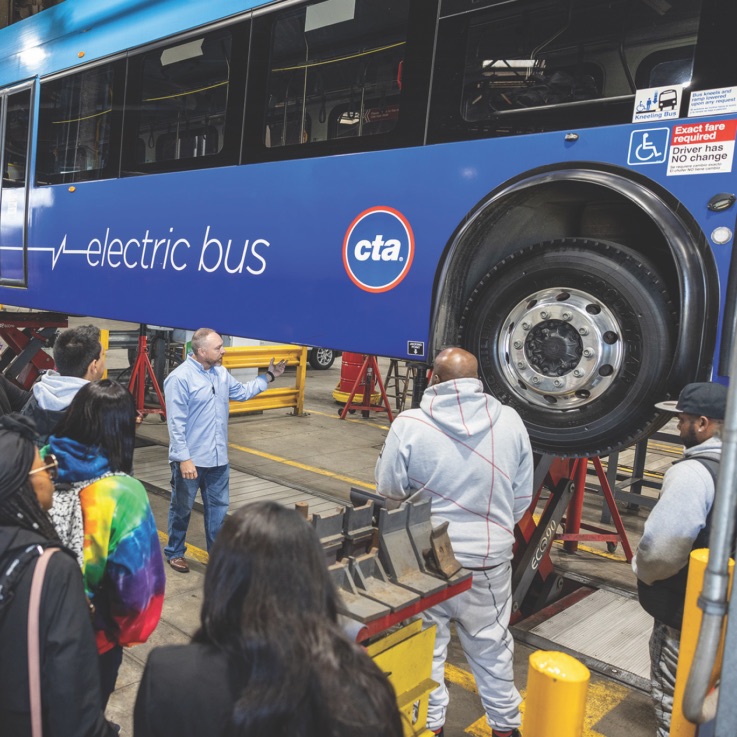
Chicago-based HIRE360 connects underrepresented workers and businesses to opportunities within the traditionally insular world of construction.
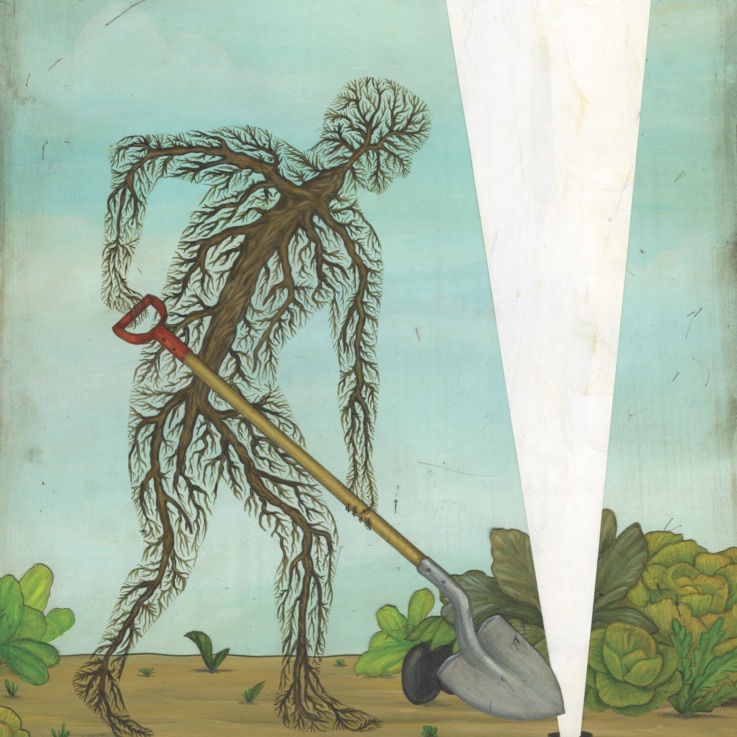
To succeed, place-based neighborhood transformation must have deep roots in the community that support innovative ways to branch to outside resources. Bonton Farms offers a model of such work.
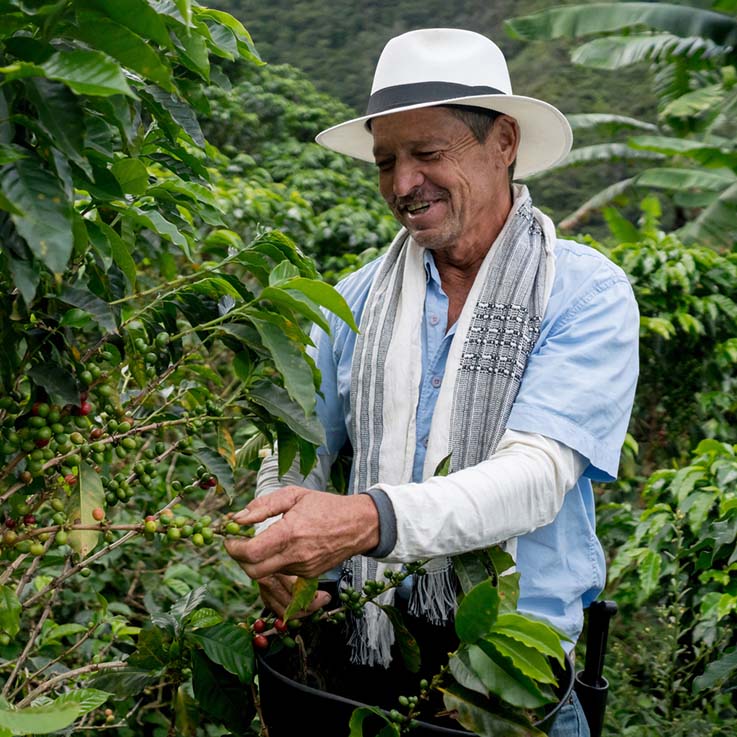
Alternative forms of enterprise ownership have the potential to enable economic development in more inclusive and equitable ways.
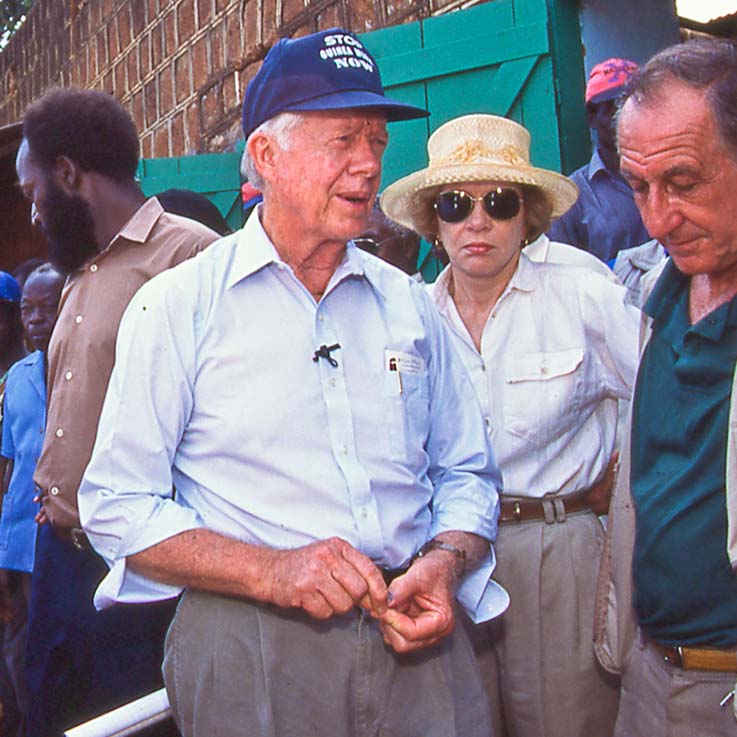
His post-presidency demonstrated a special combination of bold aspiration coupled with strategic, detailed, and sustained execution.

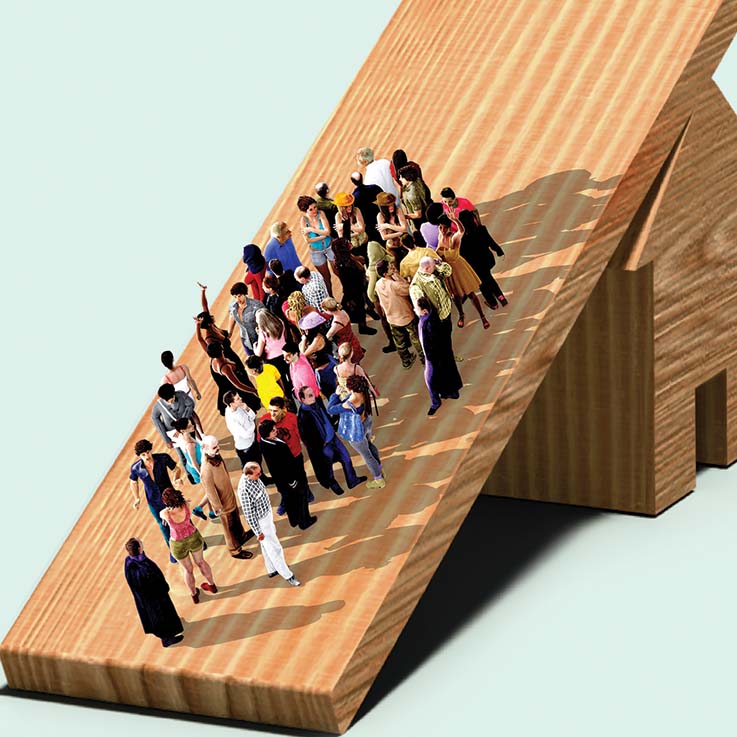
The traditional model of community development finance is limited by market conservatism and a focus on scale, rather than local control. We need a new paradigm that prioritizes impact over scale, emphasizes flexible and creative financing strategies, and empowers community voice. | Open access to this article is made possible by The Center for Community Investment, a sponsored project of Rockefeller Philanthropy Advisors.