


Making It to McDonald’s
How Fair Trade coffee moved out of its niche and into the most mainstream market of all.
Innovations in environmental protection and conserving natural resources (more)

How Fair Trade coffee moved out of its niche and into the most mainstream market of all.

When it comes to environmental sustainability, William McDonough is nothing less than a hero for the planet. In this audio lecture, he discusses how he has designed eco-friendly buildings with unique properties, such as the ability to produce oxygen. He urges his audience of Stanford Graduate School of Business students to set goals not toward an efficient bottom line of doing the wrong thing less badly, but rather toward the effective top line of doing the right thing.

Organic Exchange uses its global network to promote environmentally friendly fibers.


As the market demands more products and services that address social and environmental issues, what are the various challenges faced by green companies in securing capital funding? How will initial investments affect the future success of these companies? Discover how venture capitalists envision the role of capital markets in green companies in this panel discussion from Bridging the Gap, the Stanford 2005 Net Impact conference organized by the Stanford Graduate School of Business.
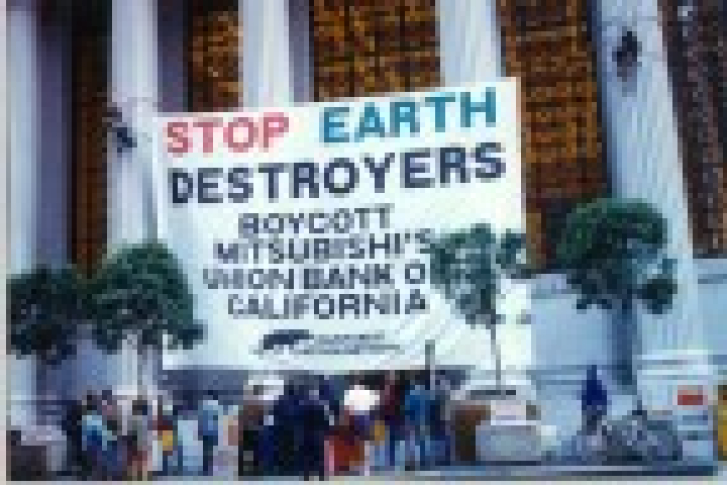
The Rainforest Action Network launched a consumer boycott of several Mitsubishi companies, leading to significant changes in the way the firm and many of its partners do business.

Consumers say they want to buy green products but they don't always follow through. There are, however, strategies corporations can take to increase sales of sustainable goods.

An area the size of Connecticut is being developed every year. That's how fast nature is being lost to concrete in the world today. In this audio lecture recorded at Bridging the Gap, the Stanford 2005 Net Impact conference, Will Rogers discusses strategies for sustainable land use in a context where the boundaries that separate land conservation from public health, housing, economic development, transit, energy-use policies, and urban design are rapidly blurring.

As the world awakens to the challenges of global warming and water shortages, corporations slowly recognize the reduction of their environmental footprint as a significant component of corporate social responsibility. This panel discussion explores some of the leading corporate initiatives toward environmental sustainability.