


There Is No Such Thing as Impact Investing
There is philanthropic investing, and there is commercial investing, and there is nothing in between.
Socially responsible investing that produces both financial and social returns (more)
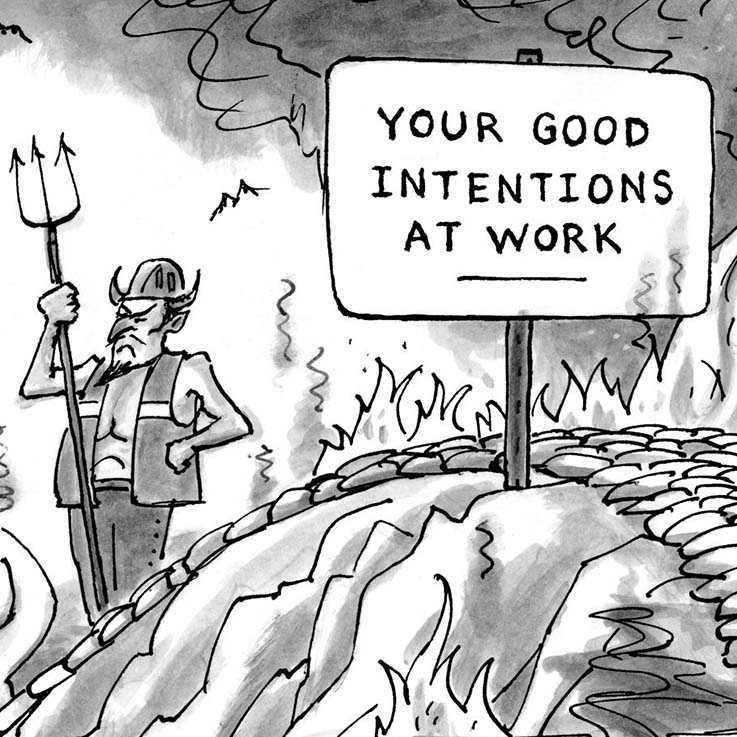
There is philanthropic investing, and there is commercial investing, and there is nothing in between.

To create the world we want, we must build a wealth management system rooted in belonging for all.

The concentration of AI funding in profit-driven applications has the potential to drive widening inequalities in three critical ways.

The current paradigm of viewing impact in isolation from the systems surrounding investments is not sustainable. Applying a systems lens helps investors make better decisions related to sourcing, management, and measurement that lead to lasting positive impact.

A new kind of infrastructure for collective impact initiatives.

High-quality impact data and assessments are vital for allocating capital effectively, yet they are resource-intensive for investors and social innovators. Can generative AI speed up and strengthen impact-performance assessment of venture investments?

Is water in Sweden really 25 times more valuable than water in Mauritania?

The decline and fall of ESG offers a cautionary tale for social impact financing and highlights the need for the sector to sharpen its understanding of catalytic capital. A new definitional framework for catalytic capital can help drive clarity, measurement, and greater market participation.

A key factor preventing impact investing from reaching its maximum potential is the absence of robust monitoring and learning processes anchored in systems change principles.

To close the digital divide, we need a capital market that powers community broadband.