Centering Disability in Health Care
The Missing Billion initiative aims to end the health-care gap for disabled people by 2030 by identifying breakdowns, building evidence, and compiling best practices for the health system framework.
New ways to measure and evaluate the impact an organization’s work has on society (more)
The Missing Billion initiative aims to end the health-care gap for disabled people by 2030 by identifying breakdowns, building evidence, and compiling best practices for the health system framework.
Stereotypes cloud our perception of the informal economy, but we have much to learn from the entrepreneurship that unfolds there.
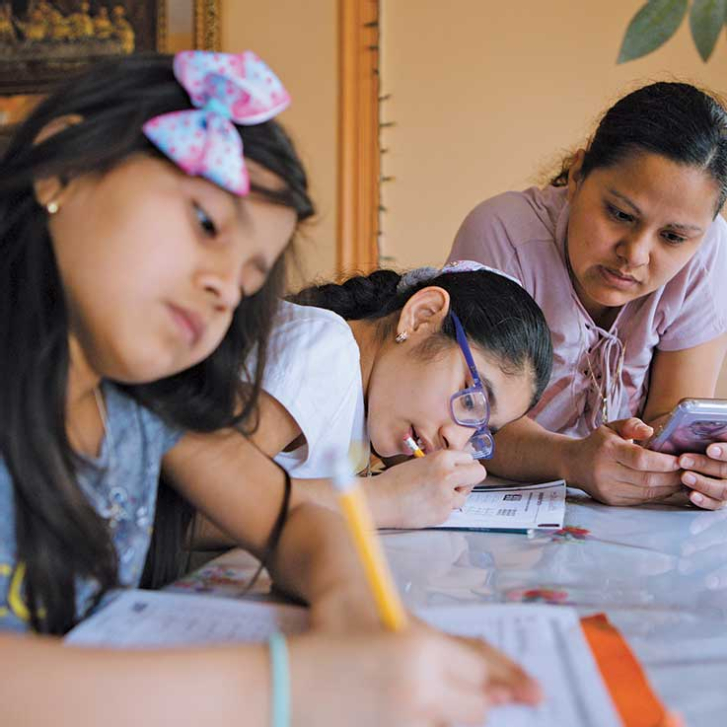
Failure to Disrupt details the promise and pitfalls of technology in the remote classroom.
With pending changes to the federal grantmaking regulations promoting results-oriented accountability, now is a good time for grant makers and grantees to see how using fixed amount awards can promote performance over compliance.
As a macro risk factor, climate change needs to be disentangled from the other social and governance mandates in the ESG investing rubric.
With only 68 percent of the UN's Sustainable Development Goals being tracked by reliable data, technology companies can and must do more to help organizations achieve the potential of the data science for social good movement. Leaders in the field share four insights showing how.
When half of the staff at Leading Edge reported feeling a lack of psychological safety at work, the problem wasn’t bullying but the promotion of a workplace culture that only allowed positivity.
Nonprofits that serve communities of color struggle to survive because of systemic racial disparities and biases. To surmount these challenges, we recommend seven approaches that have emerged from our work with these communities.
The term “theory of change” is as popular as it is confusing. By gaining a clearer understanding of its various interpretations, practitioners in the social sector can more effectively implement and assess their interventions.
How standardized testing, gentrification, school choice, and economic downturn have widened inequality to create an existential threat to democracy.