


How 20 Years of Education Reform Has Created Greater Inequality
How standardized testing, gentrification, school choice, and economic downturn have widened inequality to create an existential threat to democracy.
New ways to measure and evaluate the impact an organization’s work has on society (more)

How standardized testing, gentrification, school choice, and economic downturn have widened inequality to create an existential threat to democracy.

How Times Higher Education developed and implemented a new set of social impact rankings for higher education for a more sustainable, resilient future. Part of the Innovating Higher Education series.
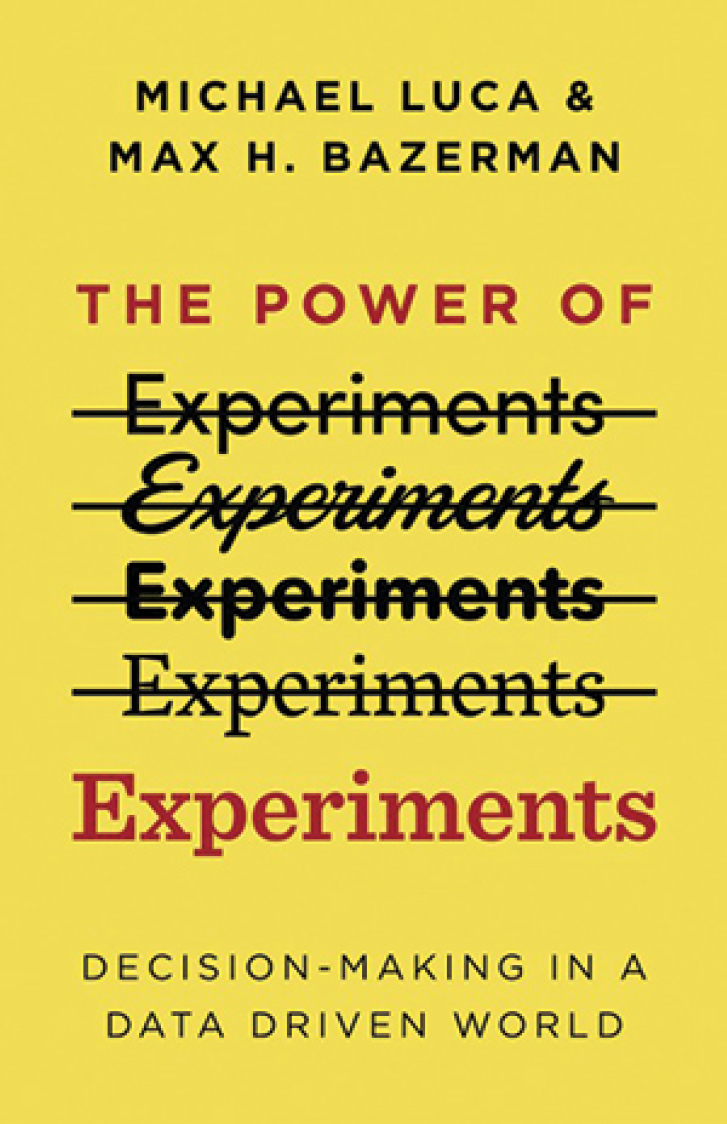
In The Power of Experiments, Michael Luca and Max H. Bazerman examine the growing reliance on the scientific method in shaping market and policy decisions. A book review in the Summer 2020 issue.
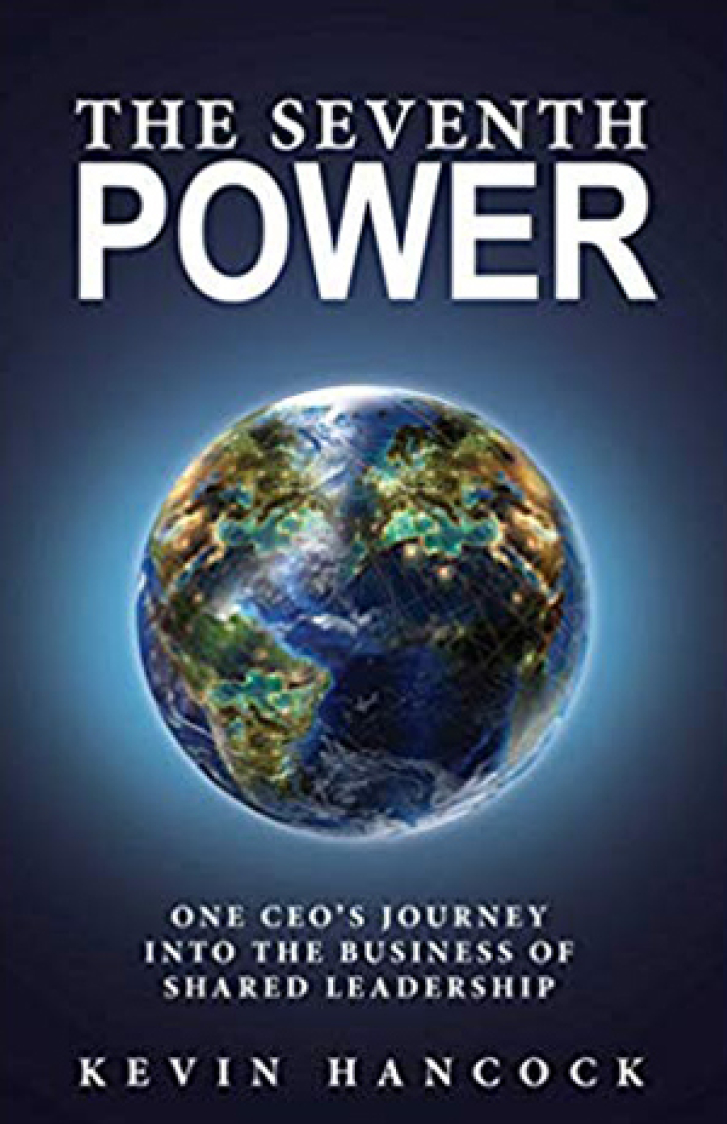
An excerpt from The Seventh Power presents a five-step engagement-enhancement process to transform leadership and organizational culture.

Innovation is hard in the for-profit context; it’s even harder for a nonprofit.

Six must-ask questions to drive impact at scale for judges of social enterprise pitch competitions.

Data and technology can’t exist in a bubble—nonprofits need them to thrive and grow. Hear from several nonprofit leaders about the myriad ways their organizations benefitted from an effective data strategy and system. This video is part of the “Technology for Change” series produced by Stanford Social Innovation Review with the support of Salesforce.

A reflection on how a set of strategies related to target-setting, financial modeling, program measurement, and organizational culture helped one organization reach a major milestone.

Data is a powerful tool for creating social change, but it can fail to deliver if it lacks rigor or exists in silos. With the right approach, “you can just let the tools do the work,” says the manager of digital infrastructure for the education nonprofit buildOn. Part of a series produced with the support of Salesforce.

How the Abdul Latif Jameel Poverty Action Lab (J-PAL) and the Evidence to Policy (E2P) community are integrating innovation and evidence into social policy and practice at scale.