

sponsored
Community Takes the Wheel
A new framework, Evidence2Success, gave the Children and Youth Cabinet a road map to put equity at the center of its work with young people.
New ways to measure and evaluate the impact an organization’s work has on society (more)
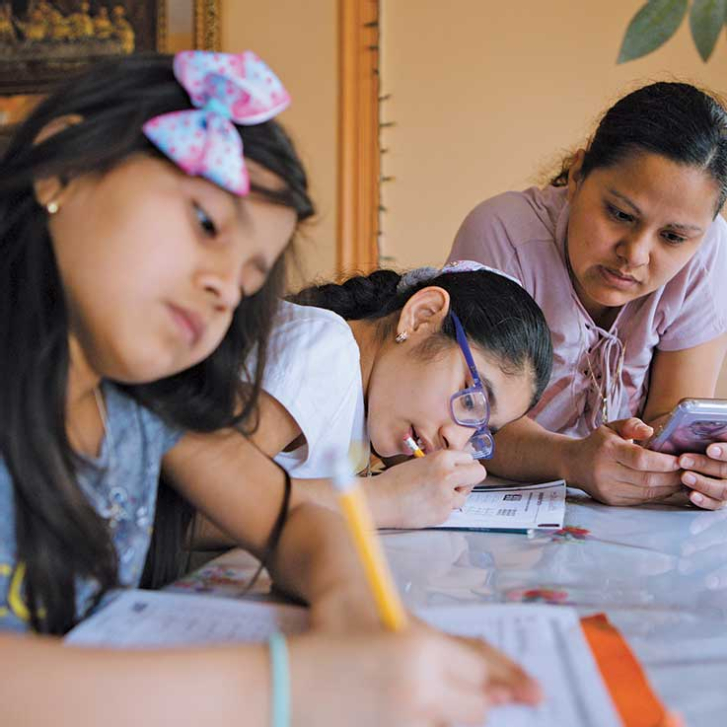
A new framework, Evidence2Success, gave the Children and Youth Cabinet a road map to put equity at the center of its work with young people.

Implementation researchers and practitioners must examine how the field can be truly equitable. A systemic approach offers a path forward.

Equity must be integrated into implementation research and practice. Here are 10 recommendations for putting equitable implementation into action.

The social enterprise Smart Focus grounds their solutions to China’s rural vision-care crisis in research.

Social enterprises and nonprofit organizations need to change the way they measure the impact of their work and become learning organizations, able to influence public policy.

While traditional scientific methods are not well suited for assessing advocacy, evaluation is necessary for making informed decisions about what meaningful and realistic outcomes to seek from human rights advocacy.
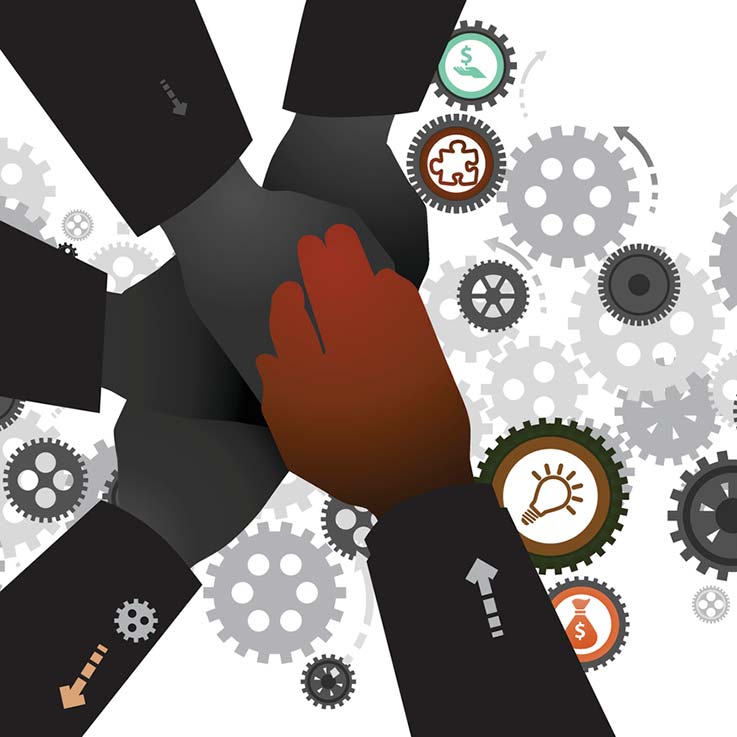
Enthusiasm for systems change is not new, and a broader historical perspective will help systems change enthusiasts learn from the past what NOT to do: replicate the ineffective mindsets and engineering approaches that have defined so much of the systems change work in our sectors.

Have outcomes-based contracts allowed more flexibility and adaptability in responding to the COVID-19? Lessons learned on building more resilient strategies to tackle social problems.

The Missing Billion initiative aims to end the health-care gap for disabled people by 2030 by identifying breakdowns, building evidence, and compiling best practices for the health system framework.

Stereotypes cloud our perception of the informal economy, but we have much to learn from the entrepreneurship that unfolds there.