Upgrading a Network
Girl Scouts of the USA has overhauled everything from its federated structure to its information technology systems to the way that Girl Scouts sell their fabled cookies.
Innovative approaches to internally driven, organization-wide efforts to achieve strategic goals (more)

Girl Scouts of the USA has overhauled everything from its federated structure to its information technology systems to the way that Girl Scouts sell their fabled cookies.

Nonprofits and their funders need to plan for—and budget for—unforeseen events that can disrupt worthy projects.

People who rise within a hierarchy often develop qualities that make it hard for them work together in groups.

In a hybrid organization, the trade-offs between social and commercial goals are real—and they require careful management.

Iris Bohnet reminds us that we all have our biases—and suggests ways that we might overcome them.

Listen to Jake Porway, founder and executive director of DataKind, talk about how to “practice safe stats”—that is, how to create data visualizations that are both accurate and inspiring.
How the Natural Resources Defense Council effectively unearthed and reframed compelling research to raise public awareness and effect policy change around food waste.

Developing a systems mindset, identifying the right tool for the job, and paying attention to human dynamics can help leaders move from theory to action when facing complex social problems.
We need new tools to address institutional bias, and to set a new standard for diversity and inclusion at social sector organizations.
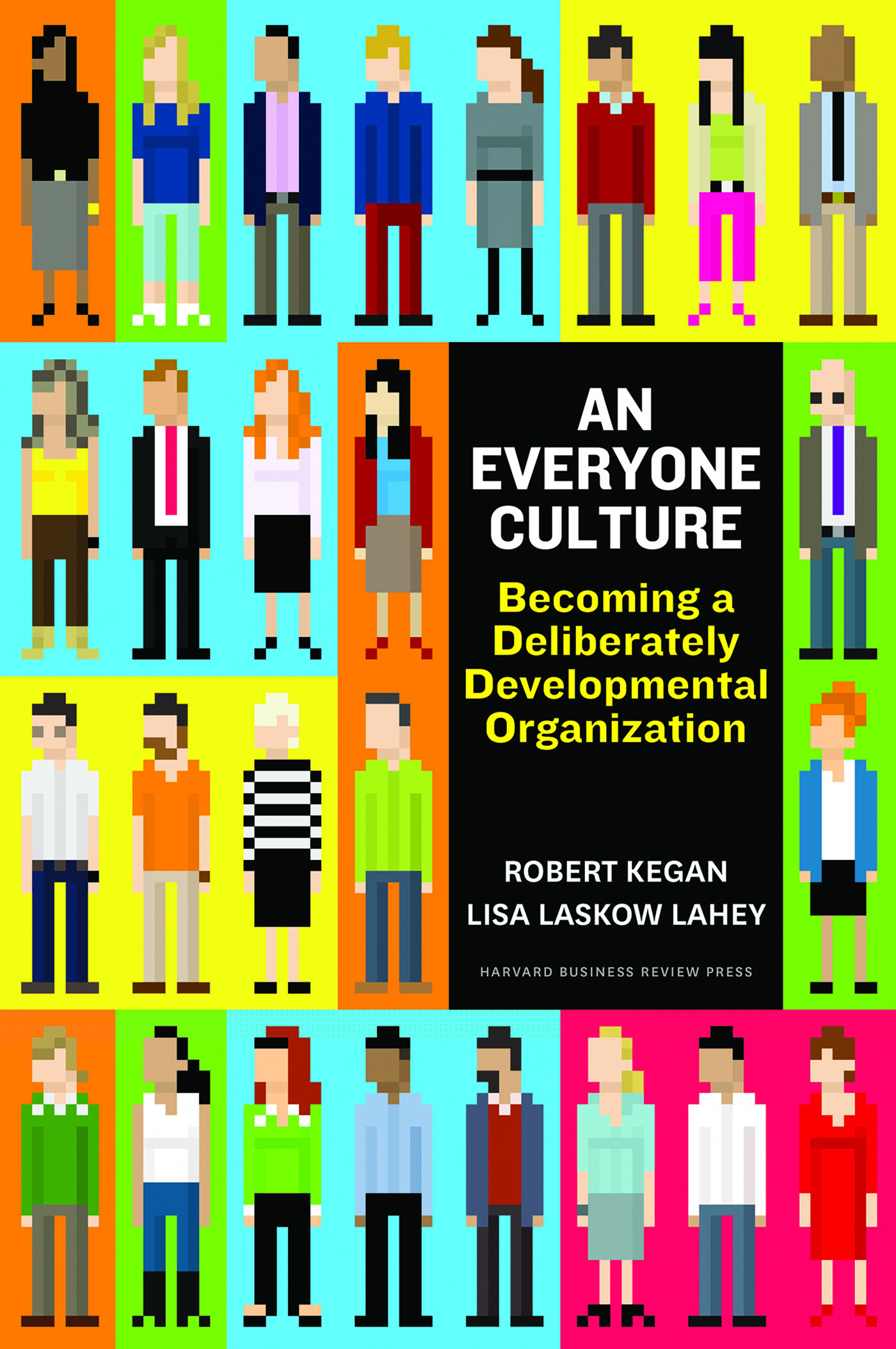
An Everyone Culture argues that organizations do best when they build an environment that encourages constant personal development among their employees.