


Small Data for Big Impact
Small data can transform opportunities and quality of life for underserved communities, and help address the biases of big data.
New and innovative ideas to help nonprofit leaders raise money, and to help funders and donors give more effectively (more)
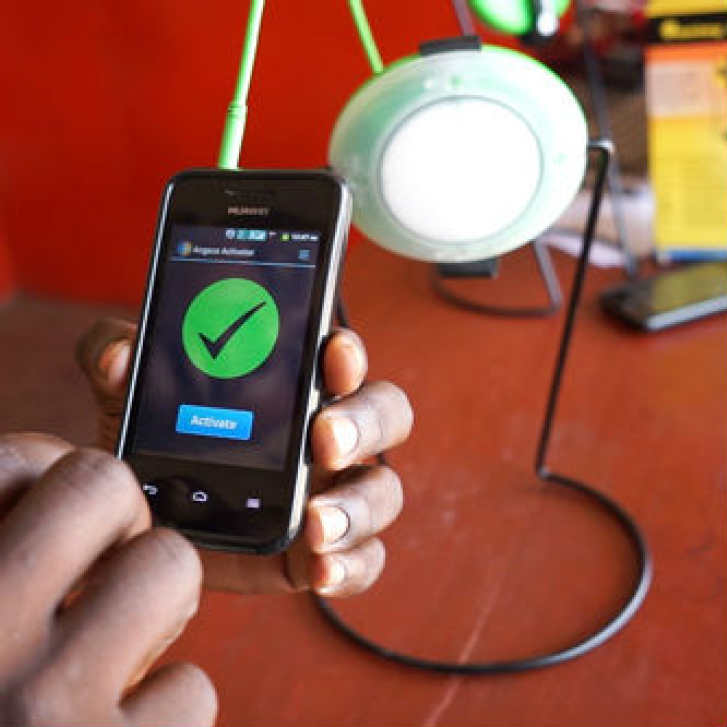
Small data can transform opportunities and quality of life for underserved communities, and help address the biases of big data.
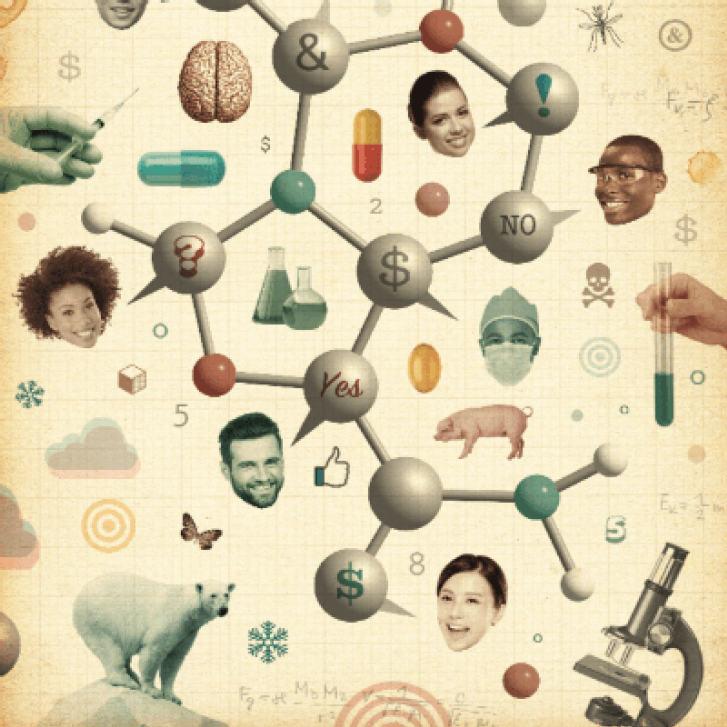
Philanthropy has a vital role to play in building a culture of “civic science,” in which scientists take active roles as citizens and citizens engage with scientific research. | Open access to this article made possible by the Rita Allen Foundation

Since 2003, Stanford Social Innovation Review has provided a forum for social-change leaders to share new ideas and best practices, and learn from one another.
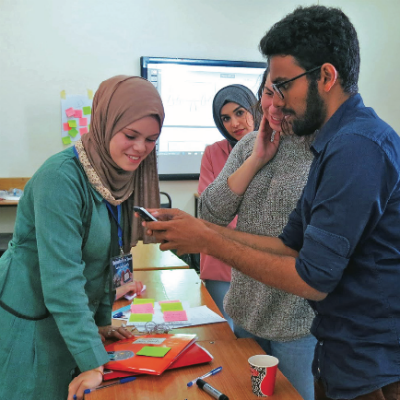
Humanitas AI has created a smartphone app to enable young people to coordinate social projects.
There is enormous potential for the social sector to help new donors become more self-aware, intentional, and strategic in their giving.

To tap the full potential of a systems change approach, we should not limit our thinking to large, transformational changes. We should also include smaller, more targeted changes.

The time has come to make private sector support of startup social enterprises the expectation, not the exception.

Rob Reich moderates a discussion with Reed Hastings and Darren Walker on the tension between individual or institutional philanthropy and democratic societies.

The former USAID administrator, and president of one of the United States’ largest foundations, reflects on the role of philanthropy in times of austerity and the greatest challenges Rockefeller is undertaking both domestically and abroad.

Why global philanthropists can no longer afford to overlook the importance of supporting government capacity in developing countries—and what they can do about it.