How Regular Employees Became Recyclers
The disappearance of the recycling coordinator role, is a testament to an environmental success story: the institutionalization of recycling in higher education.
With traditional community spaces underfunded and neglected, investing in the health of our online gathering places has become essential.
To succeed, place-based neighborhood transformation must have deep roots in the community that support innovative ways to branch to outside resources. Bonton Farms offers a model of such work.
The Batwa tribe of Democratic Republic of Congo demonstrates that the role of Indigenous peoples in forest protection defies stereotypes.
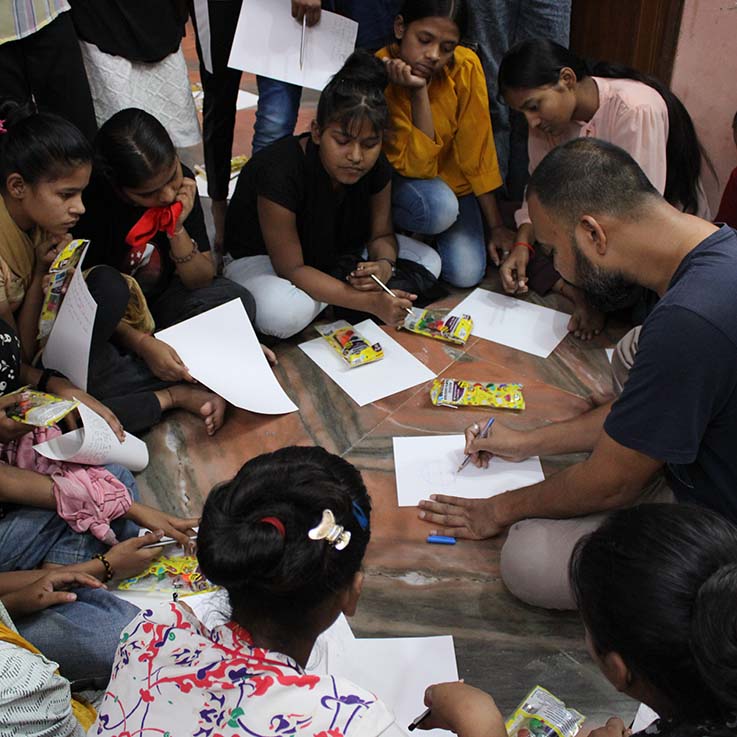
The artist-activist collective DAKILA is organizing young people to push for their own political agenda.
Mercy Corps leverages satellite data and AI to preemptively send emergency relief to people ahead of natural disasters.
A model for lasting change through authentic, transformational partnership.
How does a poverty-fighting organization like Henry Street Settlement in New York City use arts education to strengthen the community and “serve the whole person” as its president and CEO puts it? How can donors best support these programs? David Garza of Henry Street Settlement, Kevin Greaney of PhilARThropy, and Eric Joranson of DAFGiving360 join SSIR editor Barbara Wheeler-Bride to discuss the importance of arts education and how donors can sustain these programs over time. A sponsored podcast developed with the support of DAFgiving360
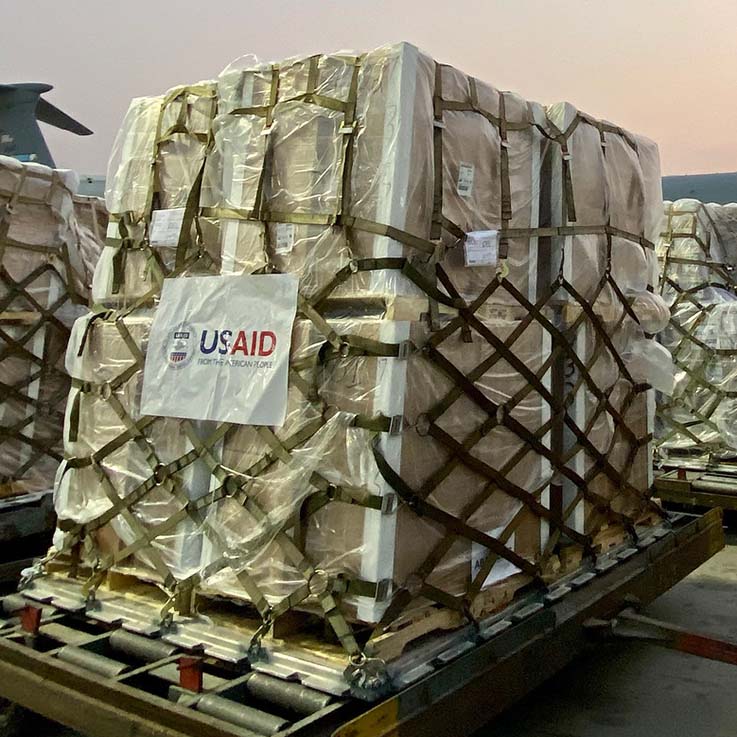
Health coalitions did the research, coordinated with donors, and secured strong government buy-in. Now, community health workers are finally getting the credit—and pay—they deserve.