Passing the Mic
20Under40: Re-Inventing the Arts and Arts Education for the 21st Century Edited by Edward P. Clapp

20Under40: Re-Inventing the Arts and Arts Education for the 21st Century Edited by Edward P. Clapp


Large-scale social change requires broad cross-sector coordination, not the isolated intervention of individual organizations.
Conversations Network Executive Direct Doug Kaye share the story of his trip to Egypt as the country began its possible revolution
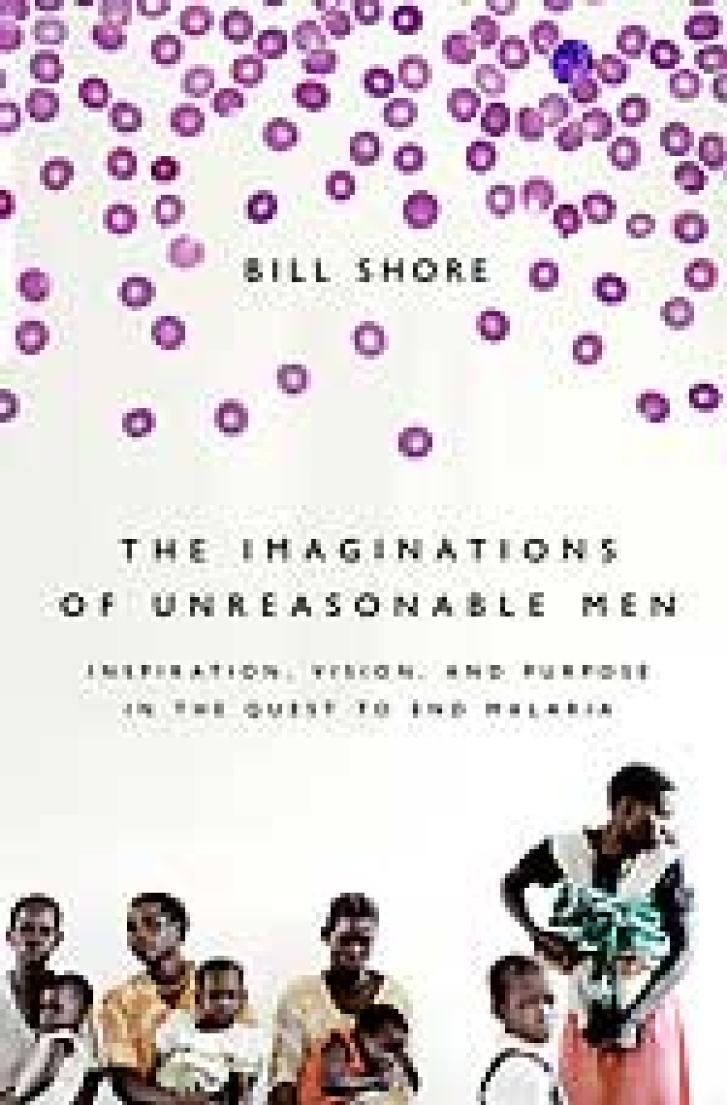
The Imaginations of Unreasonable Men: Inspiration, Vision, and Purpose in the Quest to End Malaria by Bill Shore
When it comes to innovation in civil society, there is nothing that can match the speed and ingenuity of communities that come together to make a change, develop a tool, or feed a need.

Microsoft founder Bill Gates challenges Stanford MBA students to take on the world’s difficult problems as a focus of their career or life mission.

A housing and health care charity for the elderly makes British history when it acquires a for-profit care company.
While public-private partnerships have remained elusive to many, Cambodia, one of the least developed countries in the world, has been quietly using the strategy to provide universal HIV/AIDS treatment.
Manish Bapna, managing director of World Resources Institute, is helping China manage its environmental problems.