


sponsored
Food Is Her Fight and Her Freedom: Regaining Ground in Rural India
How rural women are unbraiding borders to reclaim power in agrarian India

How rural women are unbraiding borders to reclaim power in agrarian India

Outsourcing and contract employment models have allowed the tech industry to obscure its terrible labor practices for years. A surging movement of these workers has had enough.

Because the Black male vote is targeted for suppression, defending democracy requires an equally targeted and data-driven response.
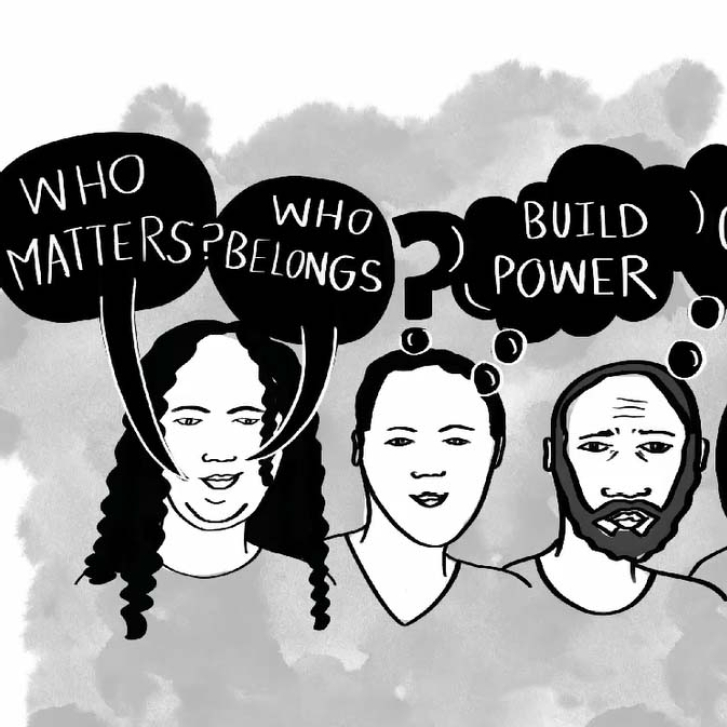
Advice on increasing support for community power building from power builders and funders

How an innovative stakeholder-shareholder investment model is helping smallholder farmers grow and thrive.

How “little tech” is driving workplace surveillance—and what can be done to push back.

An excerpt from Breaking Free on the freedom practice of individual and collective movement

How Ukraine built a digital platform to streamline public service delivery as well as the national defense
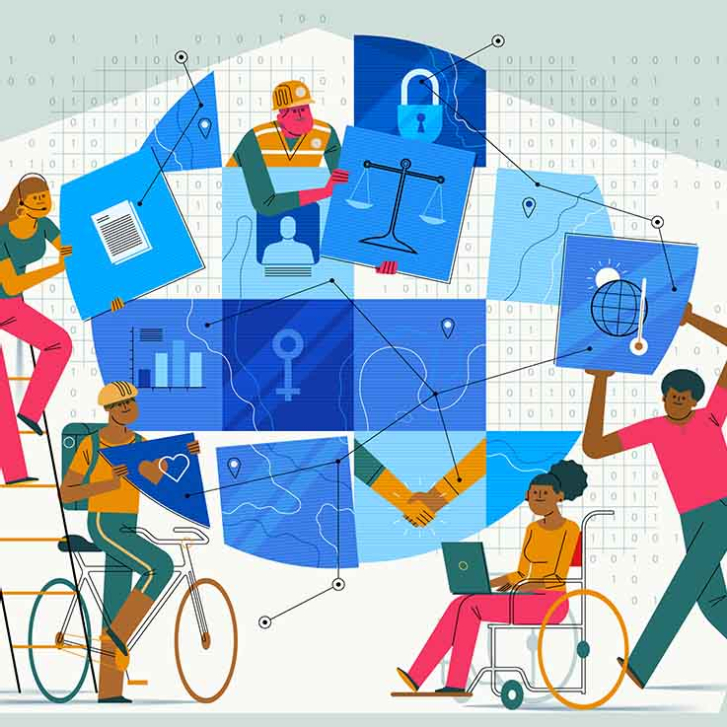
Tech titans are fostering new forms of digital colonialism, both within wealthy countries and on the global stage. But it’s not too late to build a digital economy that works for everyone.
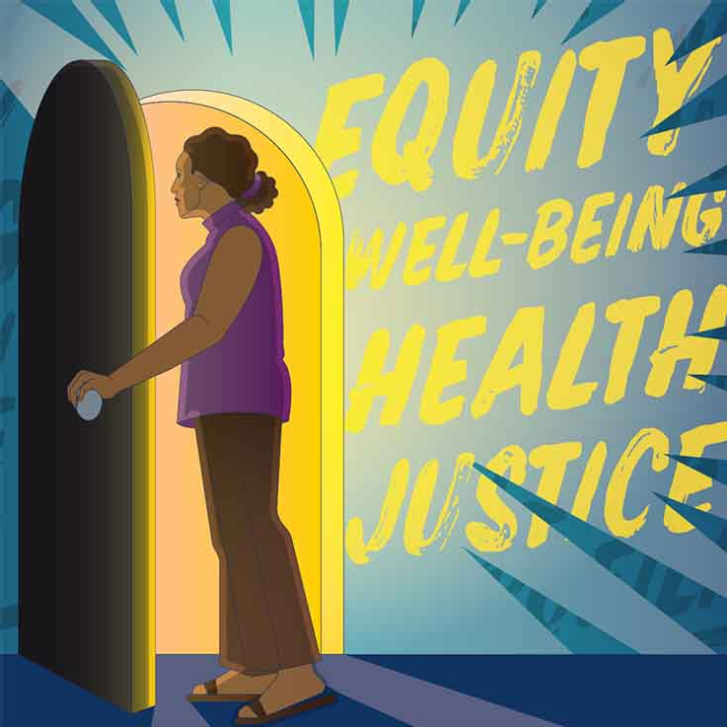
Two global health practitioners explore how anti-racist policies and practices in global communities can inform efforts across borders to build a more equitable, healthy world.