


A Perilous Crossing
The tens of thousands of Haitians who have migrated through Central and South America since 2010 have captured the attention of the media, immigration officials, and human rights advocates.

The tens of thousands of Haitians who have migrated through Central and South America since 2010 have captured the attention of the media, immigration officials, and human rights advocates.
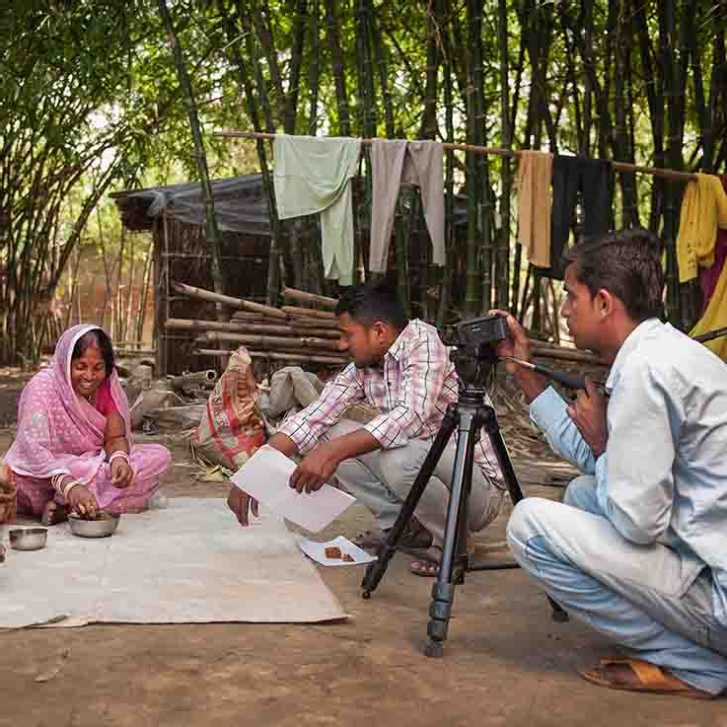
How small and medium NGOs and social enterprises can help the public sector successfully adopt and scale their innovations.

An excerpt from Creative Acts for Curious People on making judgments more deliberate
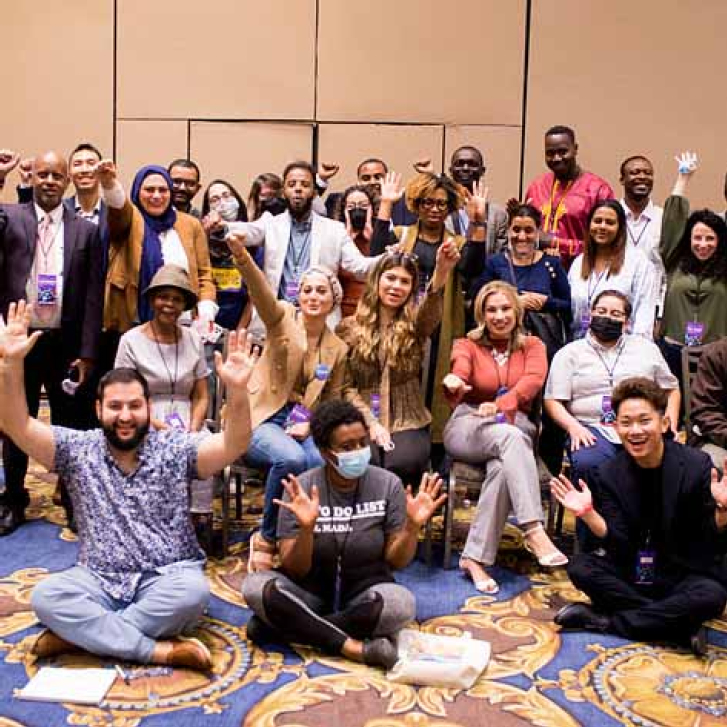
Philanthropy can invigorate our communities and our democracy by investing in refugee leadership and civic participation.
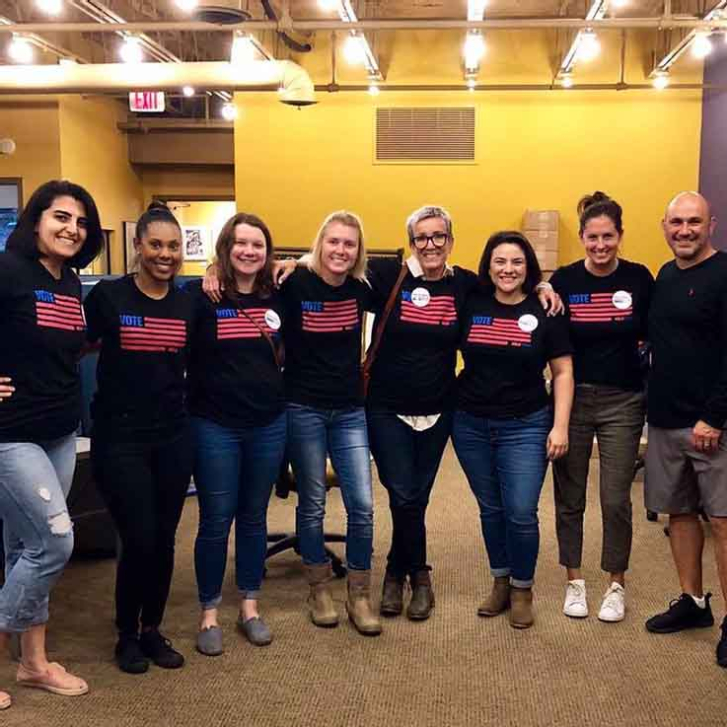
In the midst of an ongoing assault on civil rights, the ACLU’s Strategic Affiliate Initiative is helping a century-old organization grow to meet the moment.

By combining a business ecosystem approach with collective impact, a South Korean initiative is battling late-life poverty and putting valuable professional knowledge back to work.

In order to foster true collaboration in the social sector, there must be a real exchange of resources between organizations.
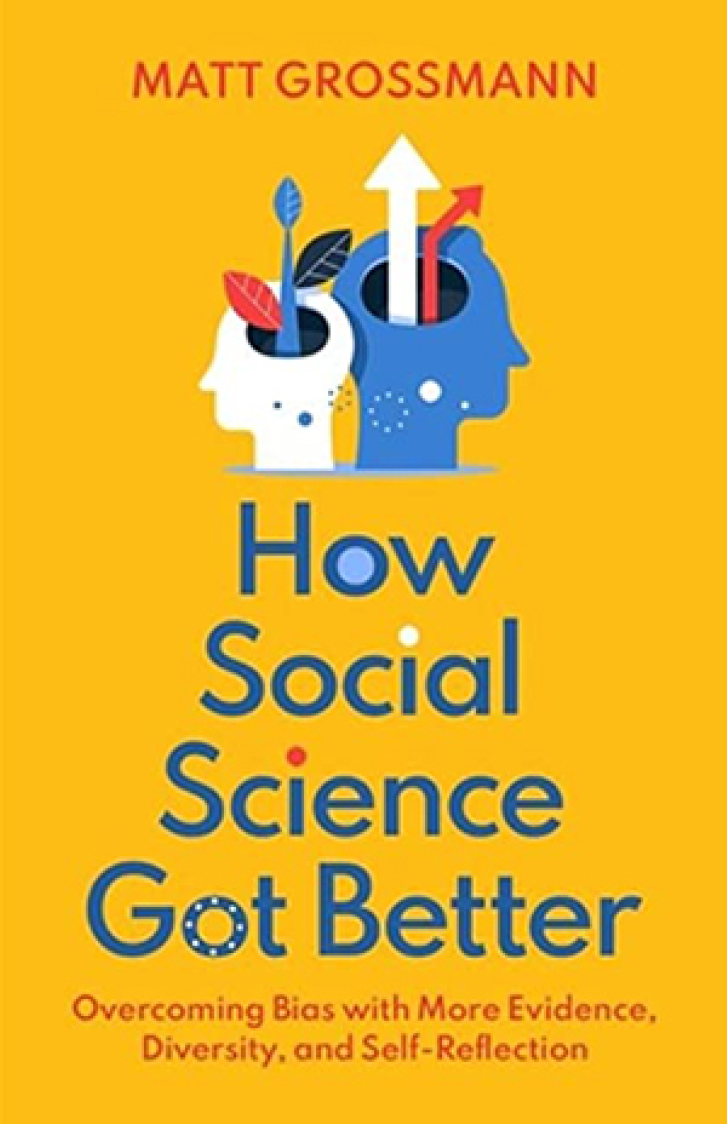
An excerpt from How Social Science Got Better on how the social sciences are becoming more relevant, diverse, and reflective.

How the COVID-19 pandemic propelled an intermediary to take on running a pooled philanthropic fund, and seven lessons for first-time, pooled-fund managers.

Championing initiatives is not enough. Philanthropy must fund their implementation and build power in communities to keep the ball moving.