


After the Big Climate Summits Are Over
In Paul Almeida's Climate Change and Civic Engagement, the only pathway forward is broad worker-based civic alliances that go beyond narrow elite-driven technological decarbonization.
Innovations in environmental protection and conserving natural resources
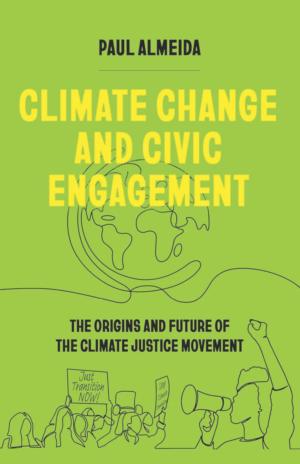
In Paul Almeida's Climate Change and Civic Engagement, the only pathway forward is broad worker-based civic alliances that go beyond narrow elite-driven technological decarbonization.
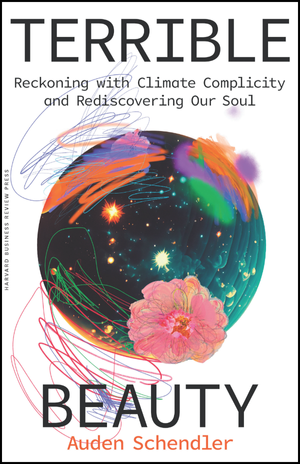
In Terrible Beauty, Auden Schendler argues that by focusing on incremental rather than systemic change, the corporate sustainability movement has played into the fossil-fuel industry’s hands.
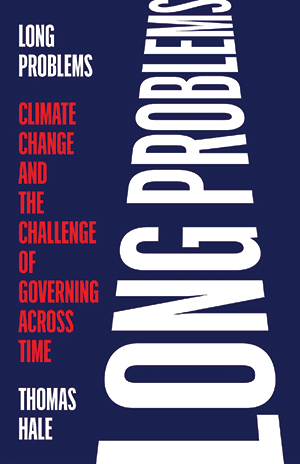
In Long Problems, Thomas Hale contends that effective political solutions to climate change are vexed by the issue of coordinating policies over protracted time horizons.
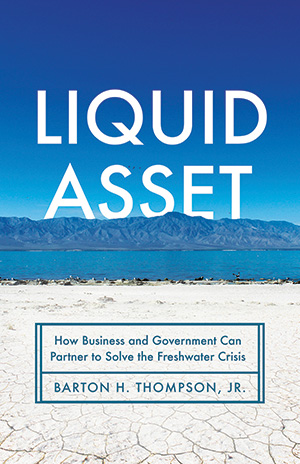
Liquid Asset examines how the public and private sectors can better collaborate on our society’s pressing water problems.
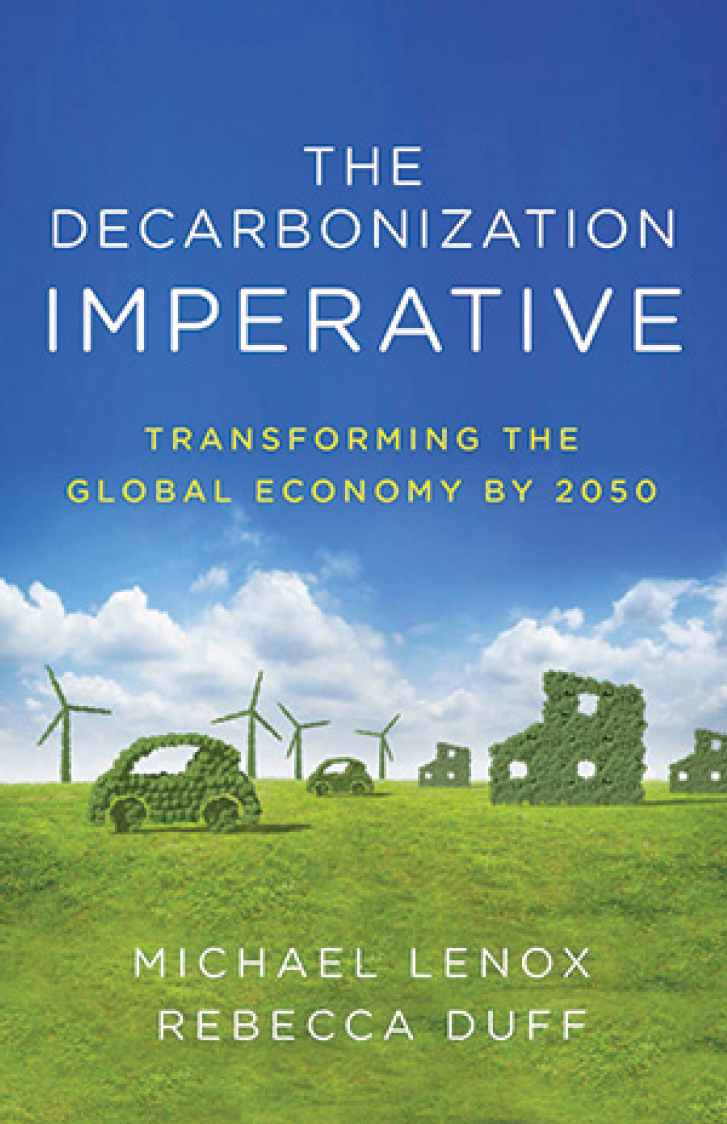
Authors Michael Lenox and Rebecca Duff call for disruptive innovations and radical reconfiguration of industries to decarbonize the planet by 2050.
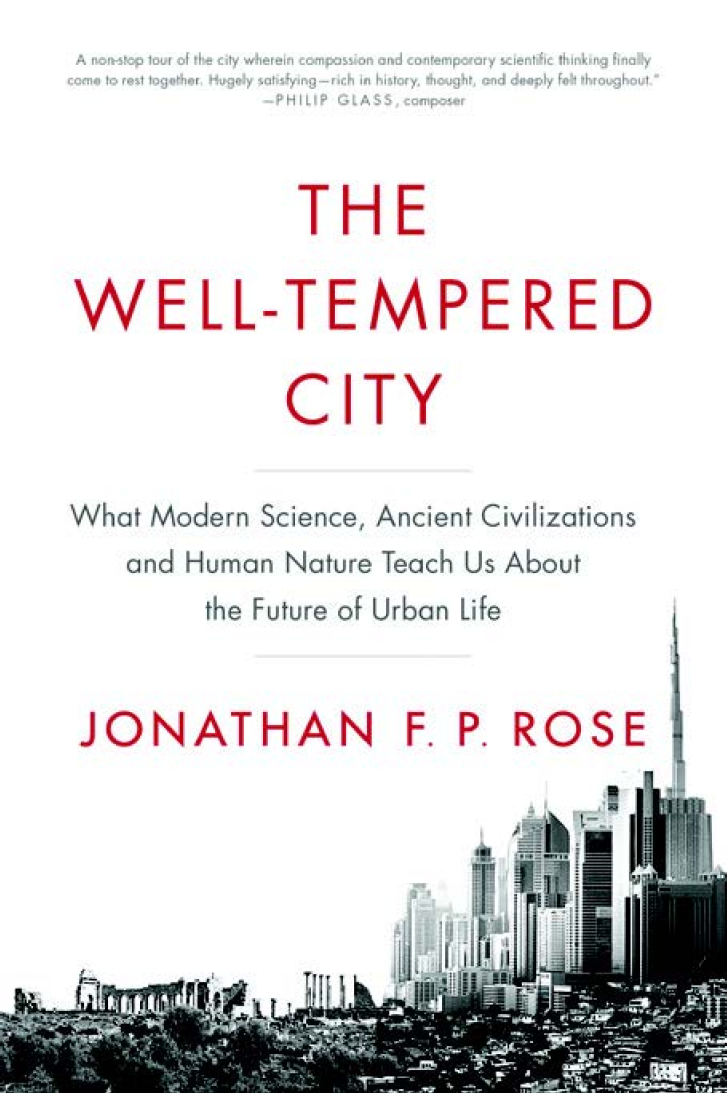
Rose’s bold theory, which offers a new framework for urban planning, could benefit from equally comprehensive recommendations about how to implement it.

People tend to avoid reckoning with climate science—for reasons that have little to do with science.
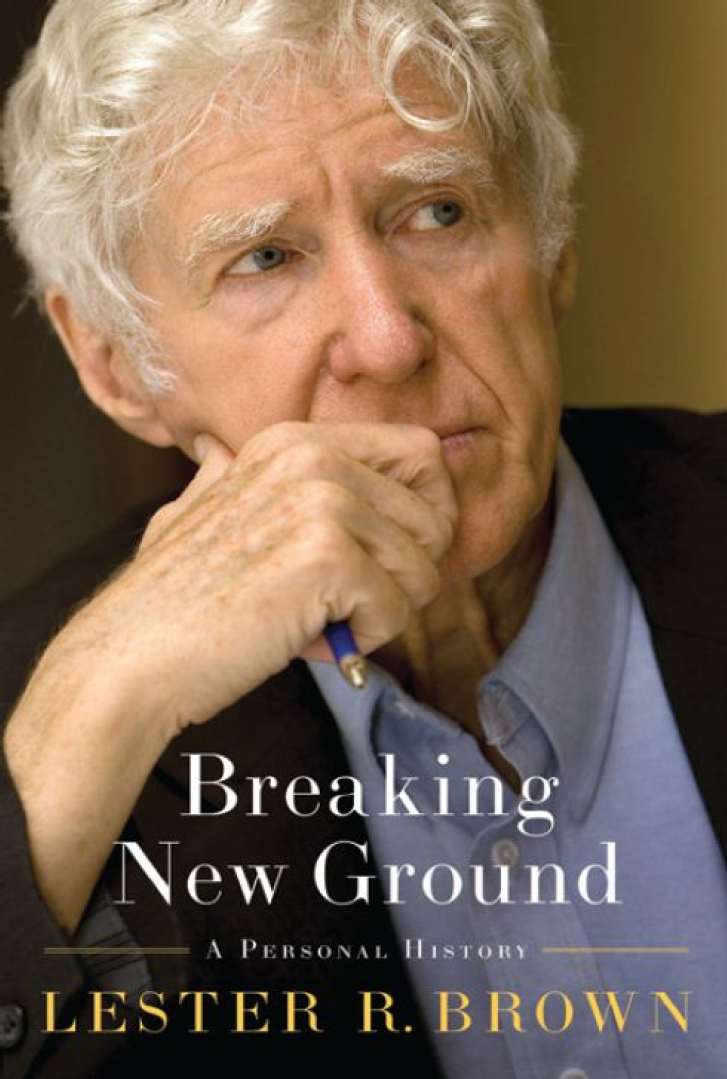
The founder of the Worldwatch Institute and the Earth Policy Institute pursues an unfinished agenda.
Environmental conservation and business investment are not mutually exclusive, argues the CEO of the Nature Conservancy.

The public debate around climate change is no longer about science—it’s about values, culture, and ideology.