


Philanthropy & Funding
Investing for Systems Change Means Refining How We Think About Impact
How systemically minded philanthropy can reflect, review, and refine portfolios for scalable impact

Starting with the need instead of the solution can lead to stronger impact.
How systemically minded philanthropy can reflect, review, and refine portfolios for scalable impact
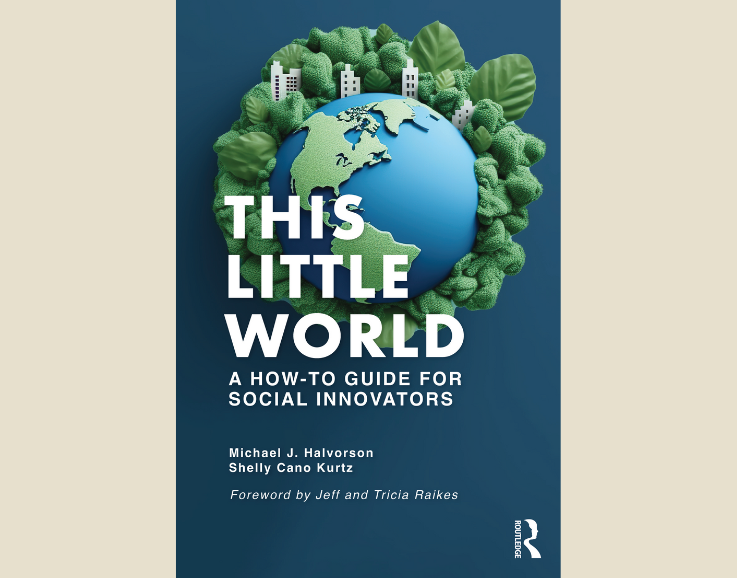
An excerpt from This Little World: A How-To Guide for Social Innovators on proven strategies for increasing the relative size and scope of a social impact project
The problems are big, the time is short, and the resources are limited.

Four funding pathways doers are pursuing to sustain resources and impact following the big bet.

Scaling proven solutions to the early childhood skills gap requires building a market for parenting interventions.

Why the ghost of Paul Farmer wants you scaring the horses at Skoll

In a world that no longer behaves like a scalable system, success must be something other than growth.


Since 1970, more than 200,000 nonprofits have opened in the U.S., but only 144 have reached $50 million in annual revenue. They got big by doing two things: They raised the bulk of their money from a single type of funder. And just as importantly, these nonprofits created professional organizations that were tailored to the needs of their primary funding sources.

A decade of applying the collective impact approach to address social problems has taught us that equity is central to the work.

How do innovations move from the edges to the core of what an organization does? For maximum impact, innovations must cease to be innovative and become institutionalized and normalized.

Impact evaluations are an important tool for learning about effective solutions to social problems, but they are a good investment only in the right circumstances.

Scaling requires not only fidelity to core processes and programs, but also constant adjustments to local needs and resources.