


Nonprofits & NGOs
How Listening to Constituents Can Lead to Systems Change
Listening to participants allows nonprofits to go beyond the “what” of change to the “how and why,” the first step toward changing unjust systems.

Listening to participants allows nonprofits to go beyond the “what” of change to the “how and why,” the first step toward changing unjust systems.
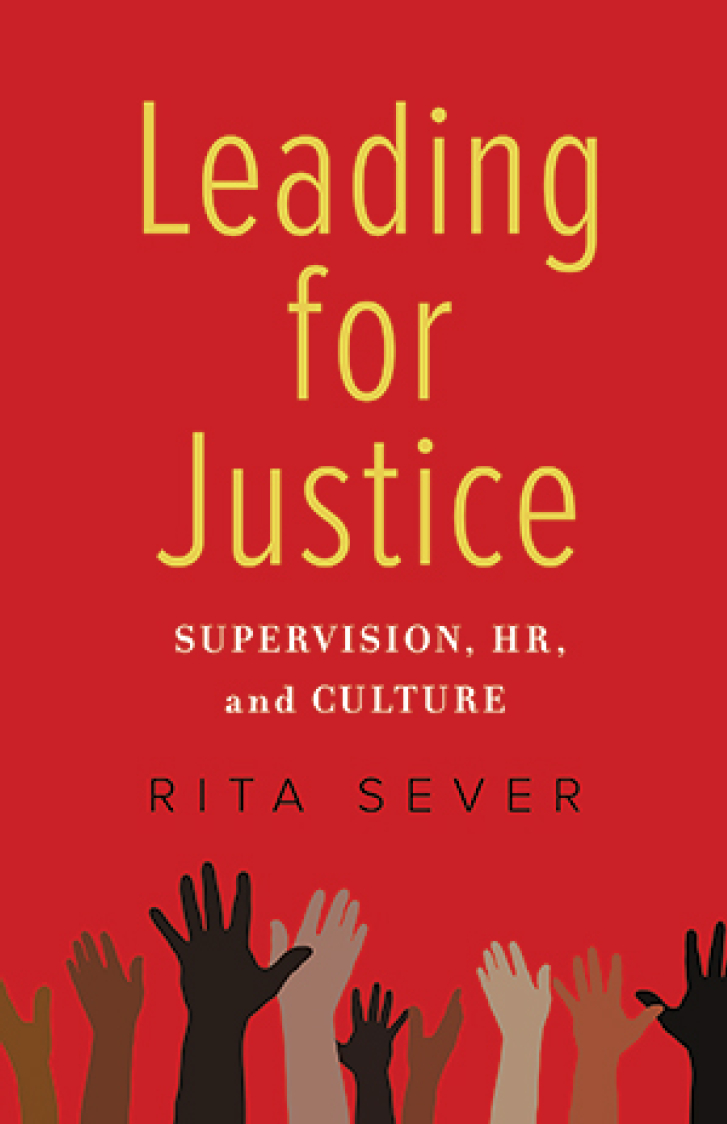
An excerpt from Leading for Justice on going beyond compliance and compensation in HR.

Last spring, as the COVID-19 pandemic magnified the United States’ racial and class inequities, Teach for America endeavored to put philanthropic power in younger, more racially diverse hands.
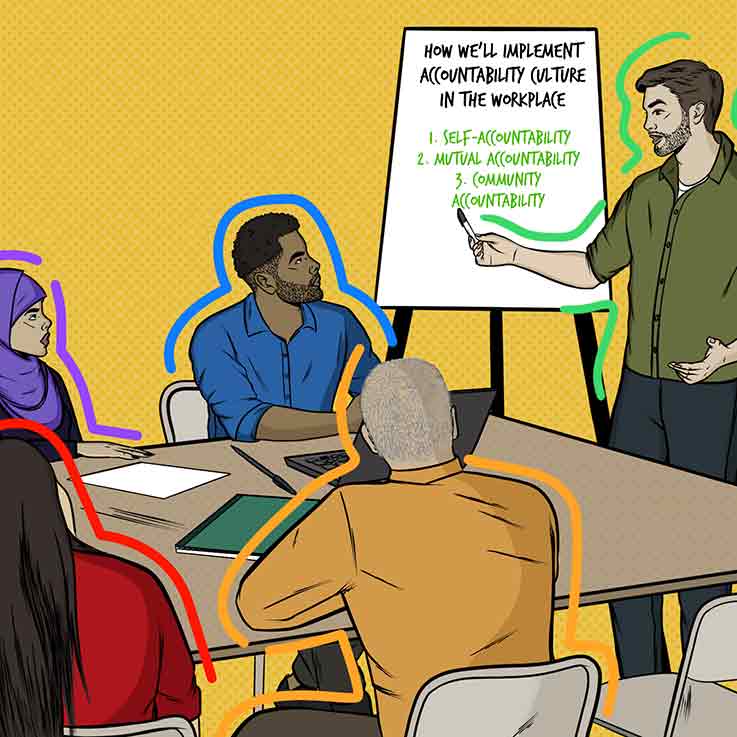
Advancing racial equity within your organization requires making accountability a cultural norm.

New public awareness of how the traditional financial system fails small businesses creates an opportunity to build models that connect entrepreneurs with the capital they need to recover, grow, and thrive—and that drive a more equitable and inclusive economy.

White men have taken extraordinary measures to keep construction unions white and have designed their unions to frustrate and intimidate prospective Black members.

Four strategies for organizational activism—advocate, subvert, facilitate, and heal—can help the increasing number of people who want to challenge racism, sexism, heterosexism, ableism, and other injustices in the workplace.

Insightful quotes and summaries of sessions from the “People, Power, Resources: Enacting an Equitable Future" conference.

Implementation science has not advanced equitable outcomes routinely, explicitly, or intentionally. Here’s how it can.

Implementation researchers and practitioners must examine how the field can be truly equitable. A systemic approach offers a path forward.