


sponsored
Creating Climate Policy That Works Requires Community Data
Portland residents explained what makes a building livable in a heat wave. Their responses became the basis for statewide climate policy.
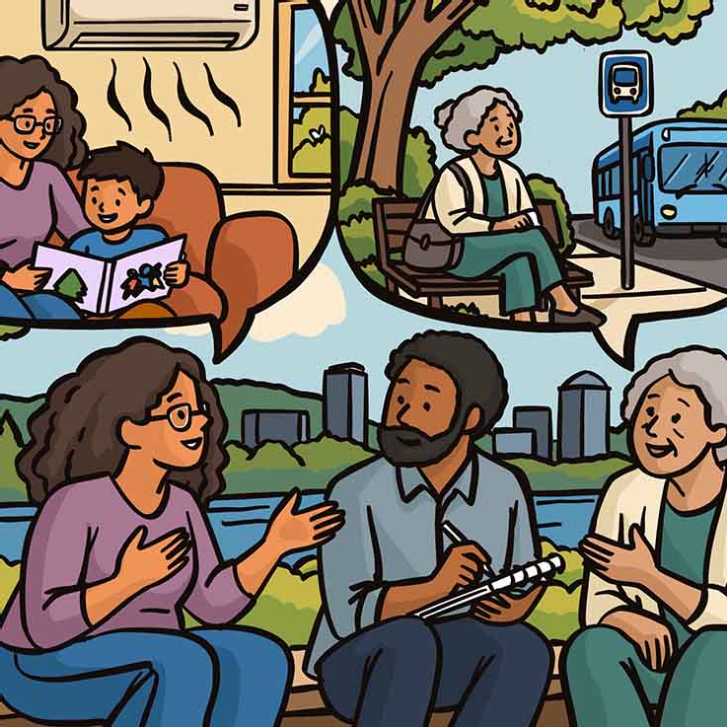
Portland residents explained what makes a building livable in a heat wave. Their responses became the basis for statewide climate policy.
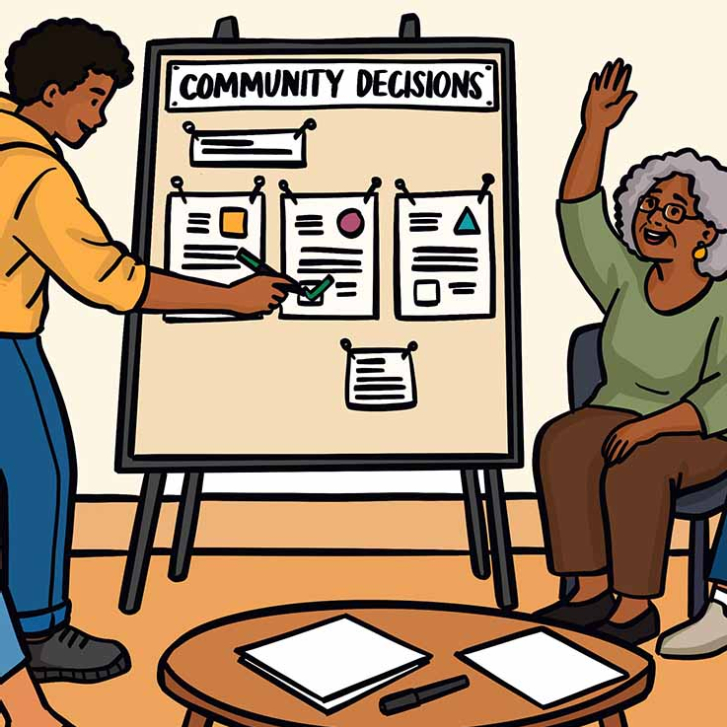
Organizations that put authentic community governance at the heart of their work are using civic data to drive better decisions, generate more durable trust, and produce positive social change.

Social innovation means building a road to the future that doesn't yet exist, without lowering standards.

How well-targeted investments can help unlock the full potential of Black higher education.

How we developed a new benchmark to shift philanthropic norms


What the next economic phase of artificial intelligence means for public interest work and how organizations can protect equity, access, and themselves.

Abundance and justice aren't mutually exclusive. Narrative lessons from three major advocacy movements of recent years.

A values-driven, accountable approach to data isn't optional—it's essential.
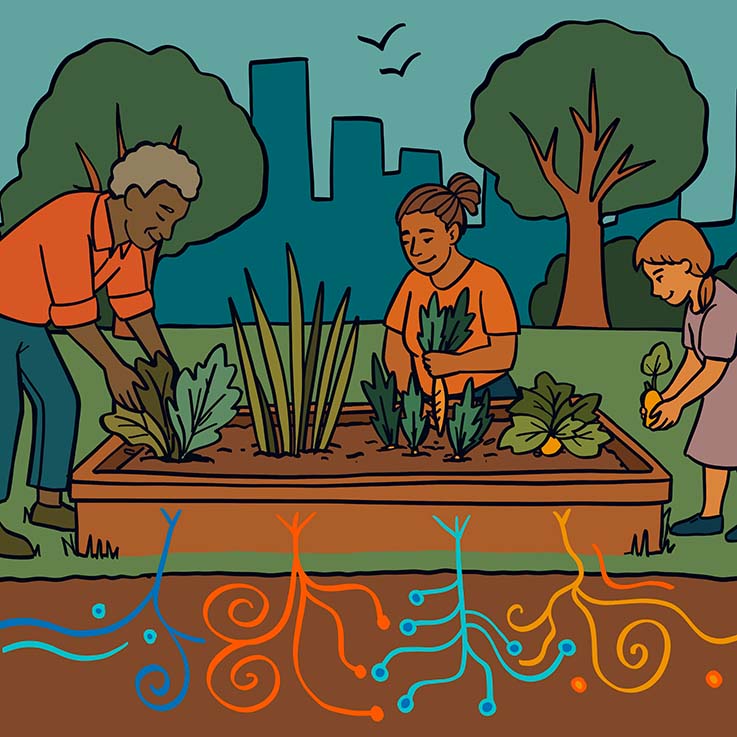
Why our overreliance on dominant data is failing communities and how community data provides a solution.
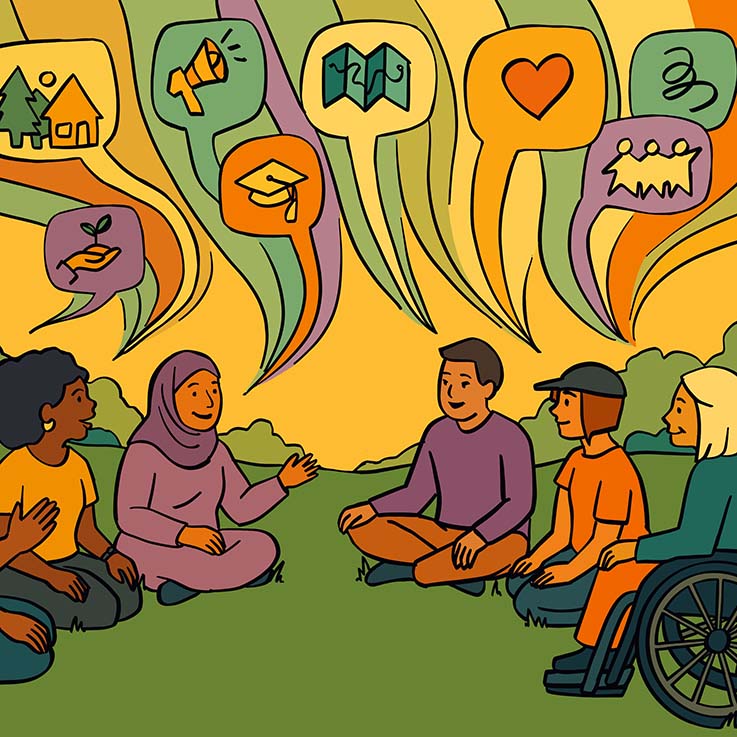
Transforming civic data in the United States is critical to improve our collective health and well-being.