


Social Services
Fun and Games
Inter-nursing home games in France happen regularly across the country thanks in part to financial support from the National Solidarity Fund for Autonomy, an arm of the country’s social-security system.
Innovations in federal, state, and local government programs

Inter-nursing home games in France happen regularly across the country thanks in part to financial support from the National Solidarity Fund for Autonomy, an arm of the country’s social-security system.

Brazil's commitment to social inclusion and equity has boosted its young democracy.
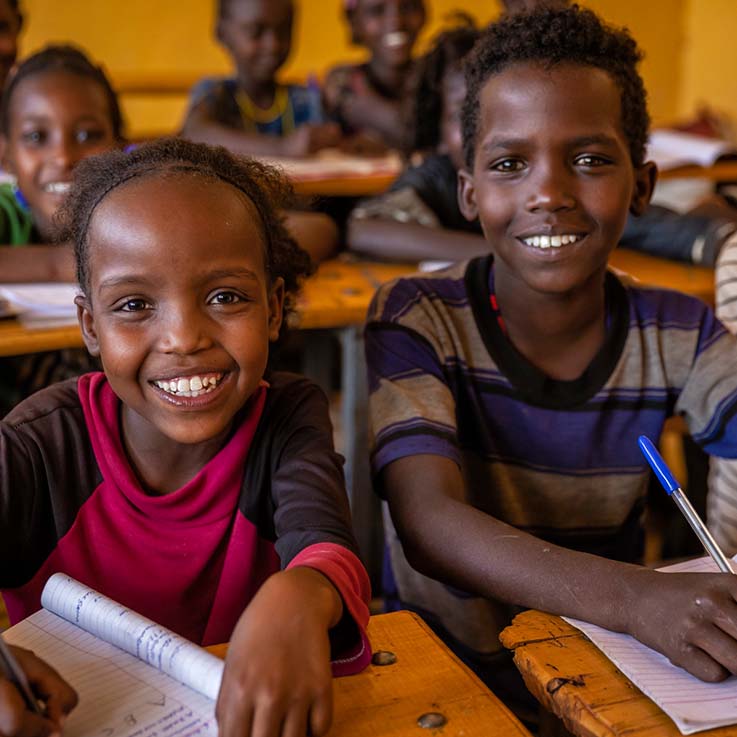
As international aid to improve education outcomes declines, a new partnership model shows the key to success isn't external funding, it's strategic integration into existing public education systems.
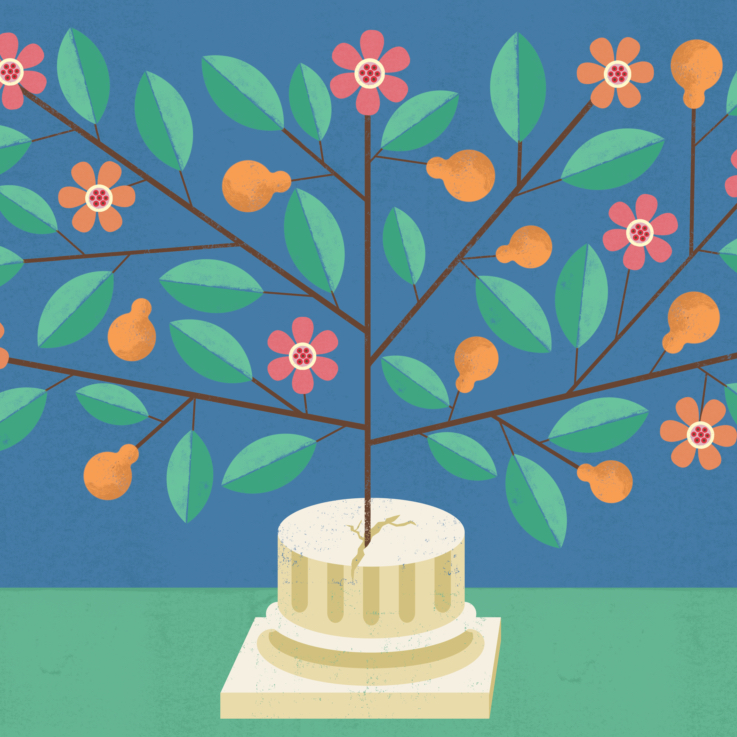
To fulfill the promise of government for, by, and of the people, we must radically rethink the role that government plays in our lives.
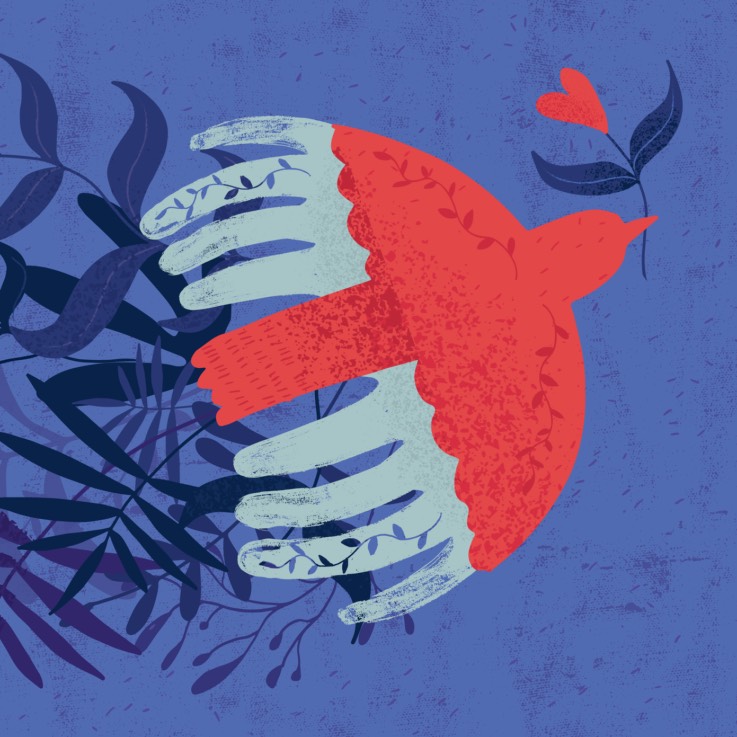
After Colombia's civil war, the government reinstituted state authority in remote jungle regions by working with community leaders to satisfy local needs.

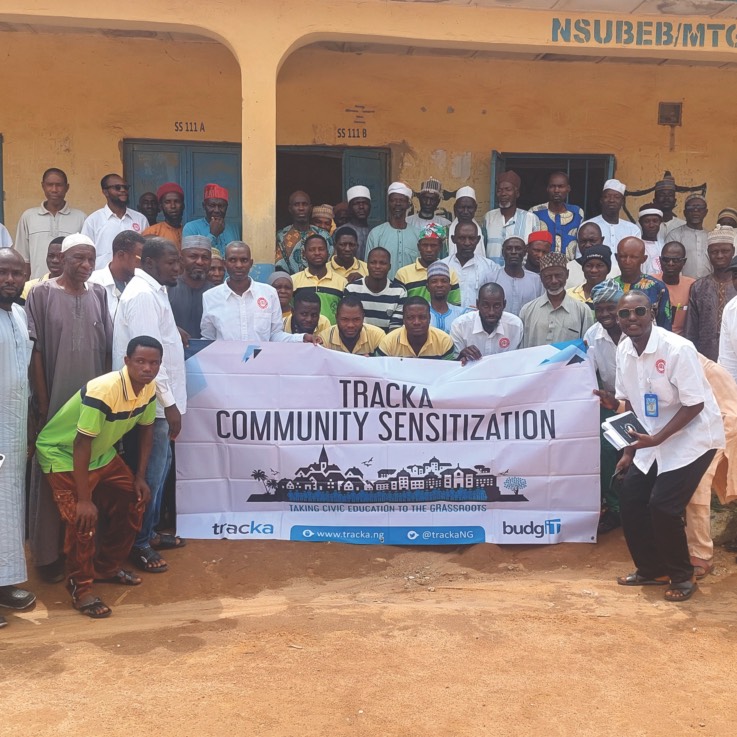
Tracka seeks to close the accountability gap between the Nigerian government and its citizens.
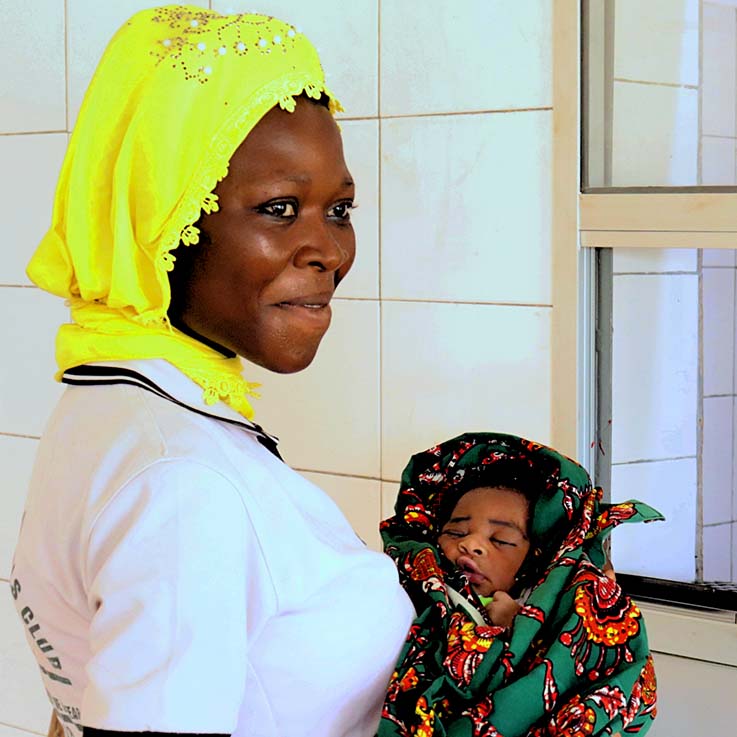
As global aid declines, new learning partnership models between NGOs and government will play a critical role in scaling and sustaining health reform in low- and middle-income countries.

The city of Paris is turning empty properties into homes to relieve a supply-strapped housing market.

From crush to marriage, the spectrum of relationships between nonprofits and governments

US government agencies struggle with outdated systems, increased demand, and floundering attempts at modernization. Pennsylvania’s leaders aim to change that.