


Advocacy
How the Divestment Movement Wins
Activists use moral analogies with rogue industries and states to stigmatize fossil fuels.
Innovations in print, online, and other forms of journalism that benefit civil society

Activists use moral analogies with rogue industries and states to stigmatize fossil fuels.

If the world is going to stop deliberate or unintentional misinformation and its insidious effects, we need to radically expand and accelerate our counterattacks, particularly human-centered solutions focused on improving people's media and information literacy.

When real Native people are invisible in the media, false narratives and toxic stereotypes are the average American’s only exposure to Native realities.

A new book argues that media and tech disruption creates the best scenarios for social change.

The Black protests of the US civil rights era influenced the national political agenda via the media coverage they received.
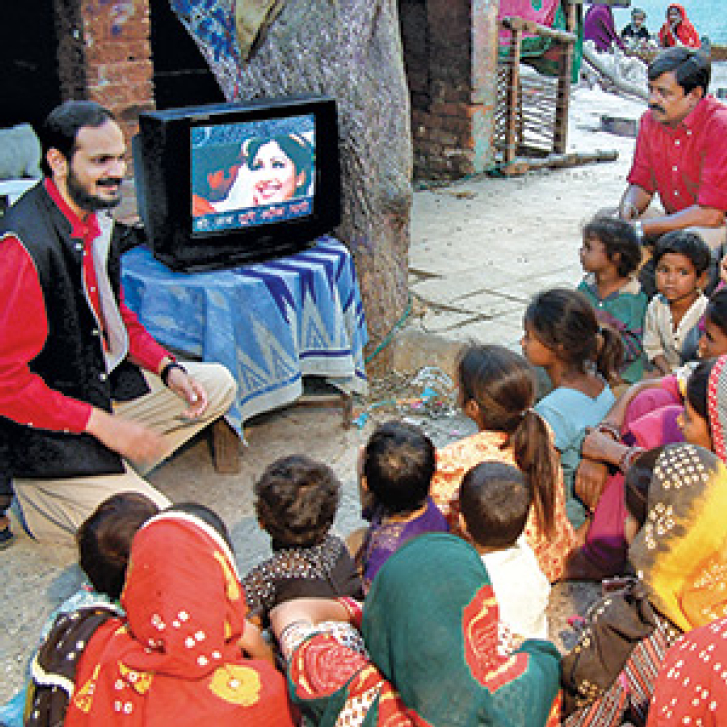
Same language subtitling (SLS) on India’s major TV channels went from concept in 1996 to national broadcast policy in 2019. This is the story of how we did it. A feature story from the Summer 2020 issue.

The public radio and television station KQED has thrived amid a tumultuous period in the media industry by using technology and data to optimize the delivery of its grassroots journalism and improve relationships with its listeners. Part of a series produced with the support of Salesforce.

How foundations, journalists, and community organizers in New Jersey passed the nation’s first civic information bill.

The social enterprise digitalundivided is disrupting the startup world for black and Latinx women entrepreneurs. A Field Report from the Spring 2020 issue.

Peter Gluckman and Mark Hanson’s Ingenious applies concepts and metaphors from evolutionary biology to explain the impact of technological innovation on human life. A book review from the Spring 2020 issue.