


Education
Education Needs Impact Engineering
The many discoveries from education research aren't making it to the classroom. It should follow the medical model of building infrastructure to translate research into impact.

The many discoveries from education research aren't making it to the classroom. It should follow the medical model of building infrastructure to translate research into impact.

Civil servants are more likely to resist authoritarianism when they are supported by peers, ombuds offices, and professional associations.
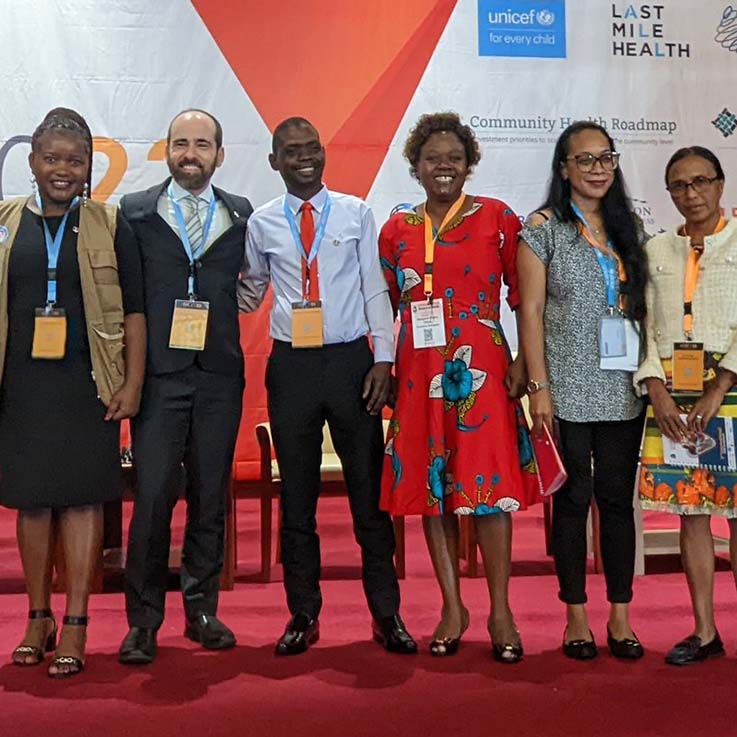
Health coalitions did the research, coordinated with donors, and secured strong government buy-in. Now, community health workers are finally getting the credit—and pay—they deserve.
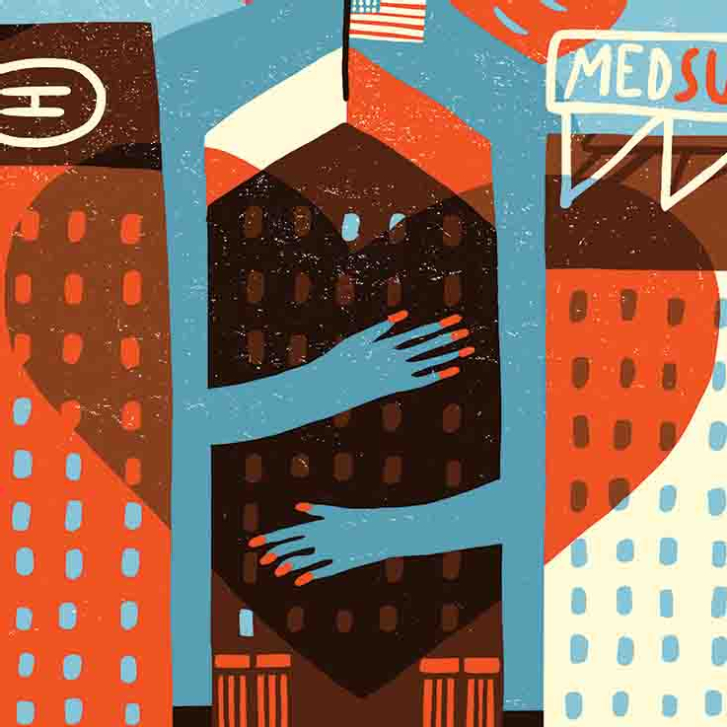
Our research into 19 multistakeholder health efforts identified the crucial factors and leadership moves that together lead to success or failure.
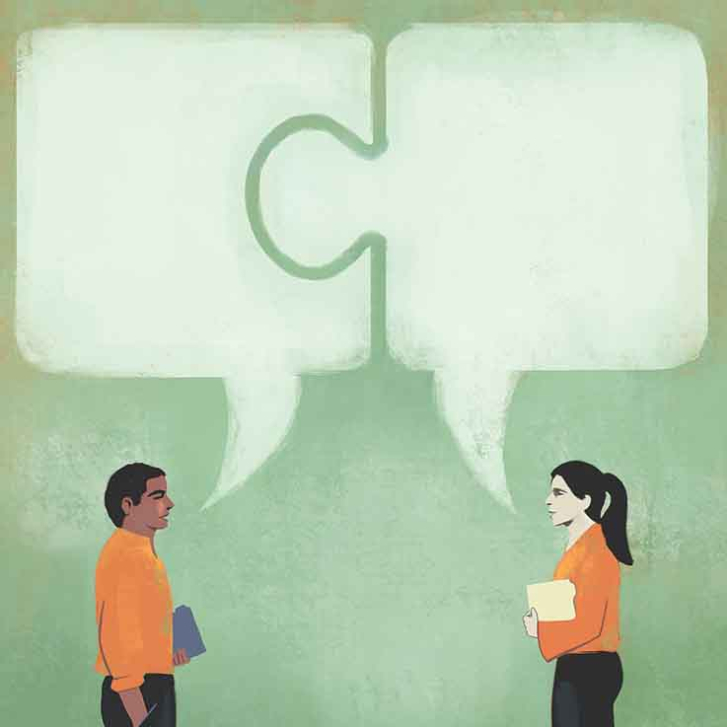
Too often, potential collaborators focus on the why rather than the how. I offer a three-pronged approach for overcoming barriers to interaction.

The hacktivist collective built a framework to encourage and guide participation without direct oversight.
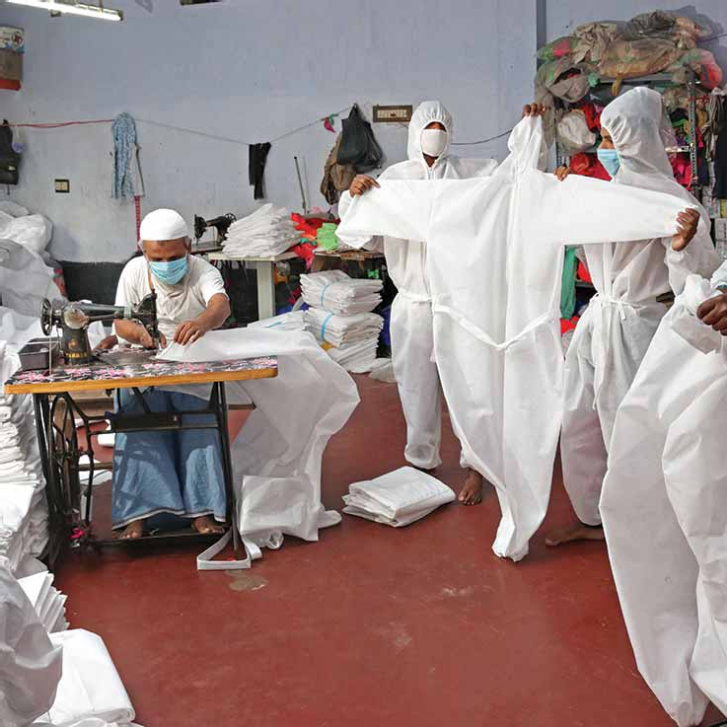
To address the COVID-19 pandemic and its economic disruptions, India’s government, businesses, and nonprofits had to work together. Their experience provides lessons for the world on crisis management.
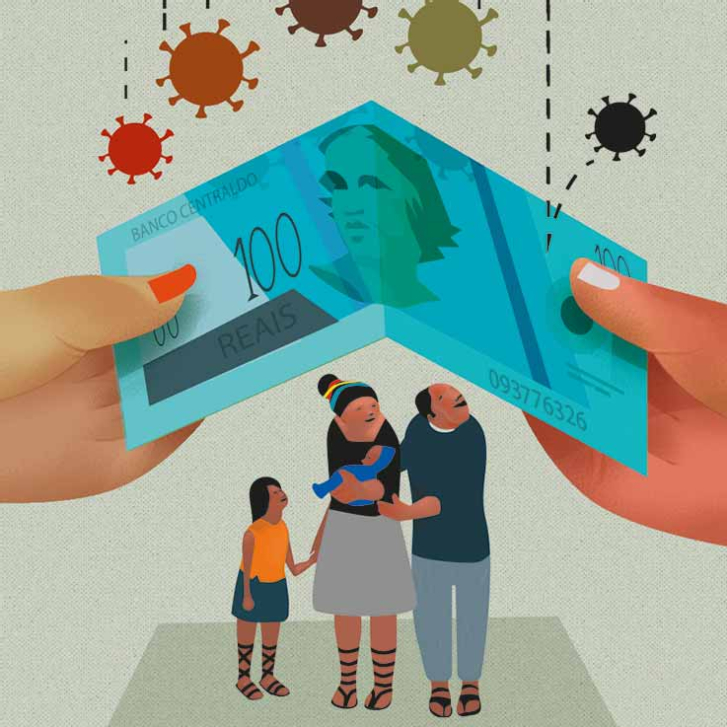
Brazilian civil society worked together to win basic income for the poor. Its success illustrates how organizations must interlock to secure rights and push for social change.
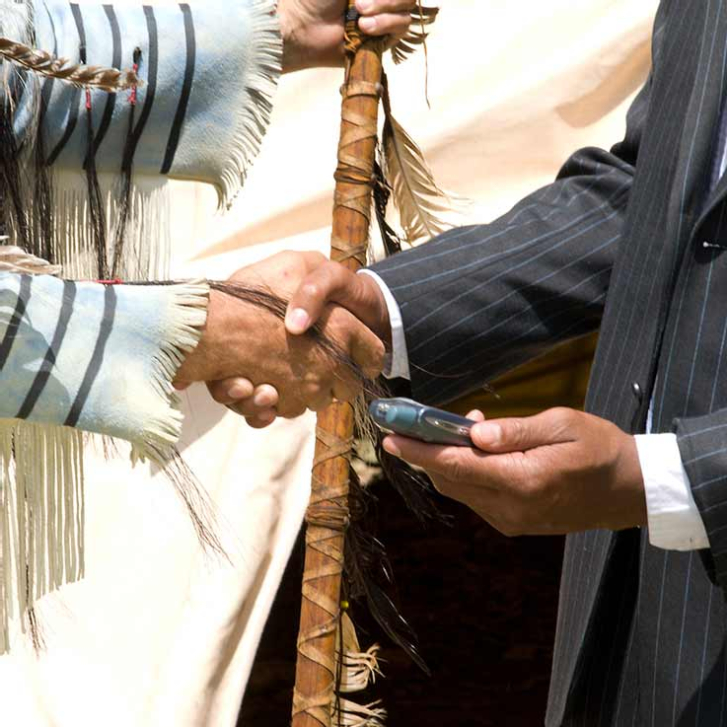
Indigenous intermediaries are crucial to overcoming asymmetries between impact investors and Native America through the building of relationships of trust, creation of an ecosystem for impact investing in Indigenous communities, and performance of the due diligence investors need to manage risk.
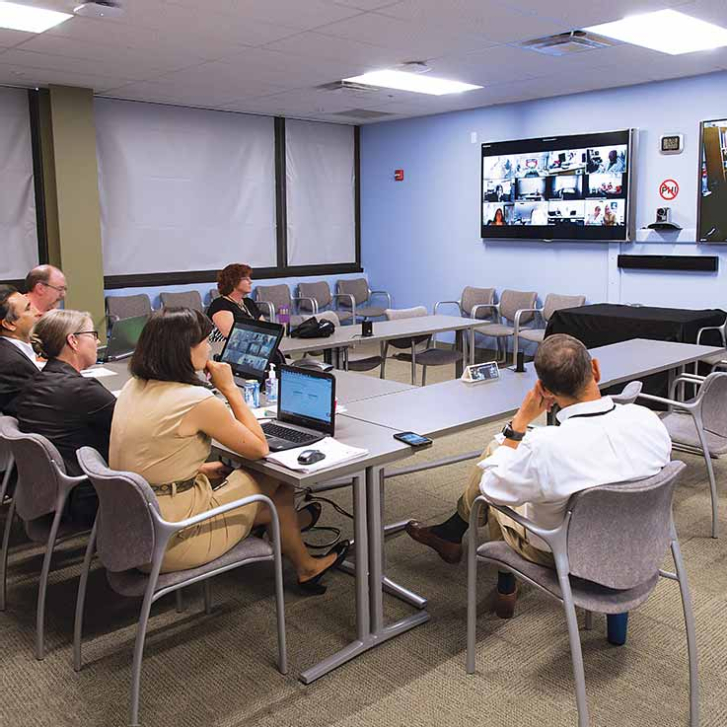
Project ECHO developed a revolutionary model for helping doctors and clinicians in New Mexico to treat hepatitis C. It spread around the world to address numerous chronic diseases. With the COVID-19 pandemic, it found its moment.