


Education
Education Needs Impact Engineering
The many discoveries from education research aren't making it to the classroom. It should follow the medical model of building infrastructure to translate research into impact.

The many discoveries from education research aren't making it to the classroom. It should follow the medical model of building infrastructure to translate research into impact.

Conflict is inevitable in any organization. The question for the nonprofit sector and its supporters is how to structure it in ways that strengthen communities.
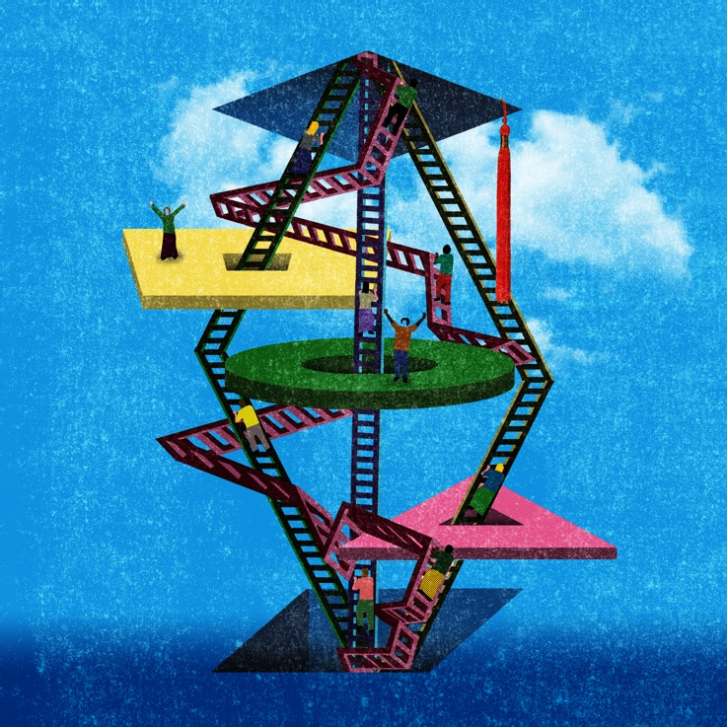
School-based models for developing talent won't provide the skillful, resilient people every society will need going forward. We need to build civic architecture for recognizing learning whenever and wherever it occurs: at home, at play, in community, and especially at work.
How organizations can close the gap between measurement and implementation
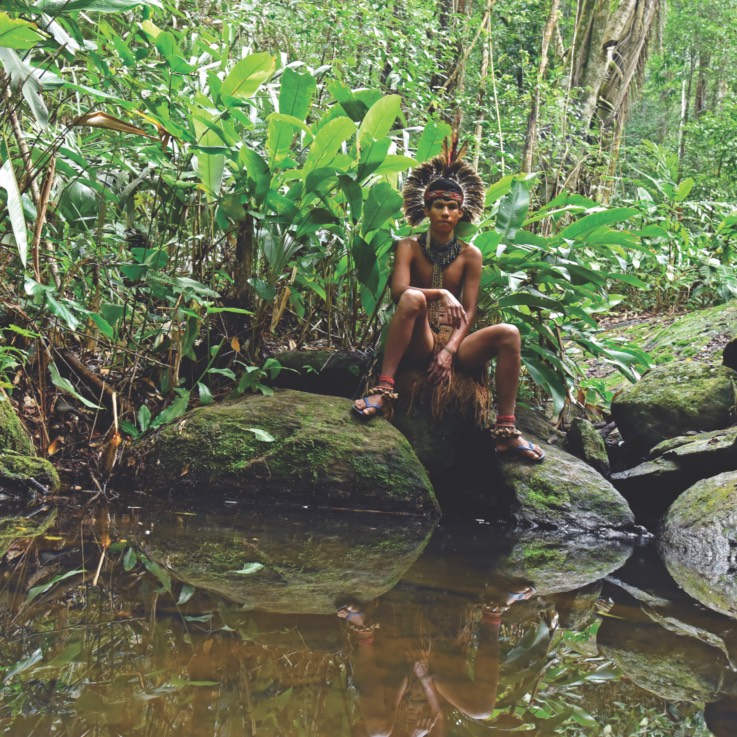
For 65 years, the WWF has led global conservation efforts in more than 100 countries. But as environmental challenges escalated in recent decades, the organization found its traditional methods falling short. WWF took the radical step of embedding a culture of innovation across its vast network. Could it transform while staying true to its mission?


We are called to nurture the wisdom and presence required to accompany endings with grace, trusting that from these transitions, new life will find its way into being.

Systemic transitions require paying attention to organizations and institutions that need to die—and to do the work of conscious closing with responsibility, kindness, and wisdom.


Companies that adopt nonhierarchical organizational structures require deliberate efforts and collective planning to succeed.
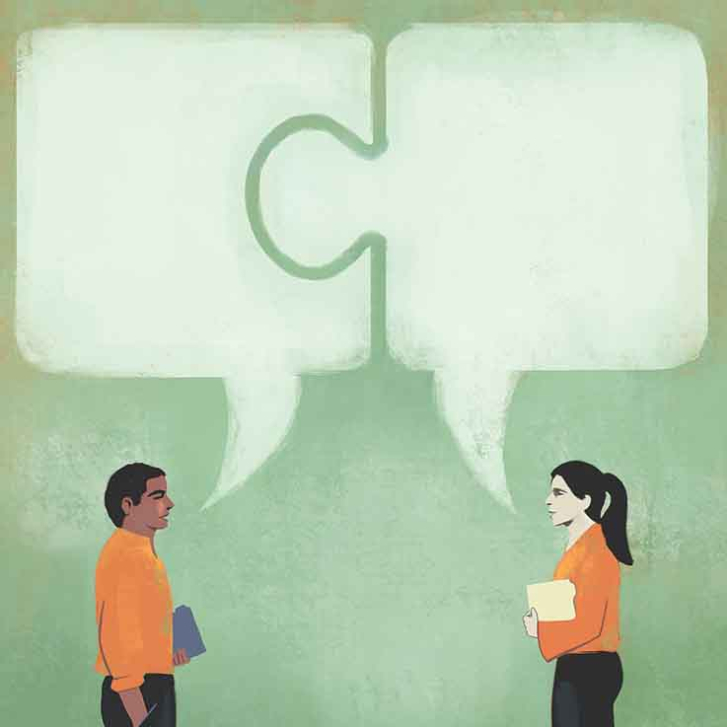
Too often, potential collaborators focus on the why rather than the how. I offer a three-pronged approach for overcoming barriers to interaction.