


Collaboration
Collaborating to Solve Homelessness
Partnerships between nonprofit service providers and government agencies to address homelessness are more effective when the former play a leading role.
Understanding why people are poor and innovative ways to alleviate poverty
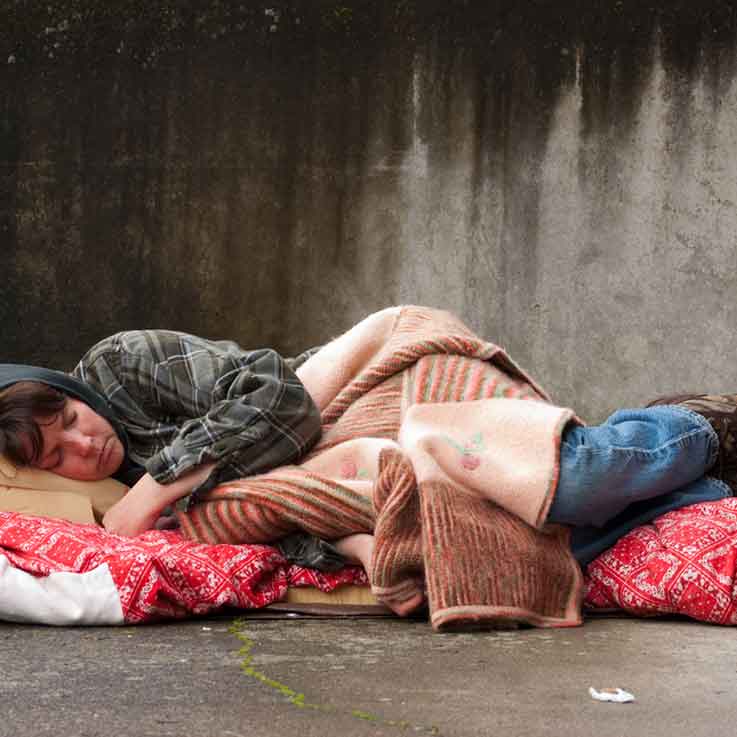
Partnerships between nonprofit service providers and government agencies to address homelessness are more effective when the former play a leading role.
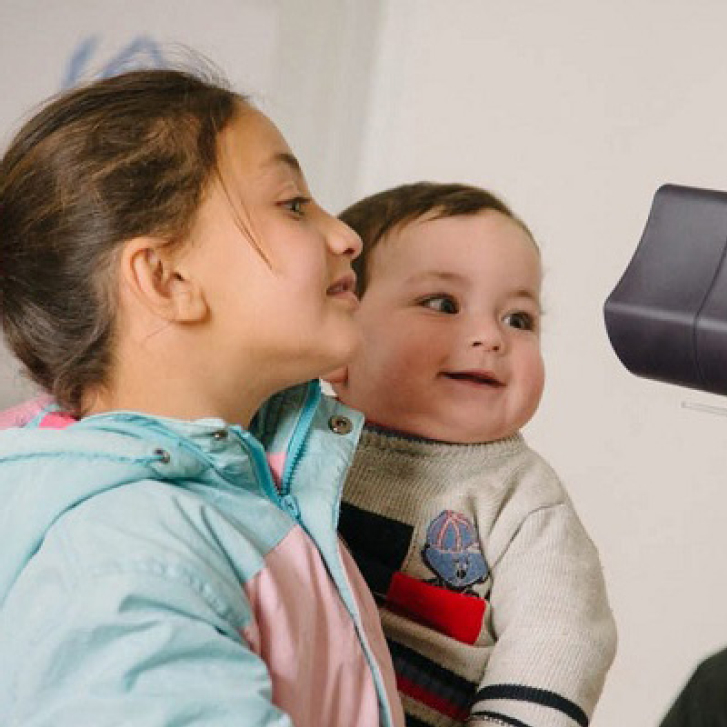
Cash transfer programs often struggle to reach those most in need. An investigation of four programs across Brazil, Ethiopia, Jordan, and Palestine revealed five features that lead to success.
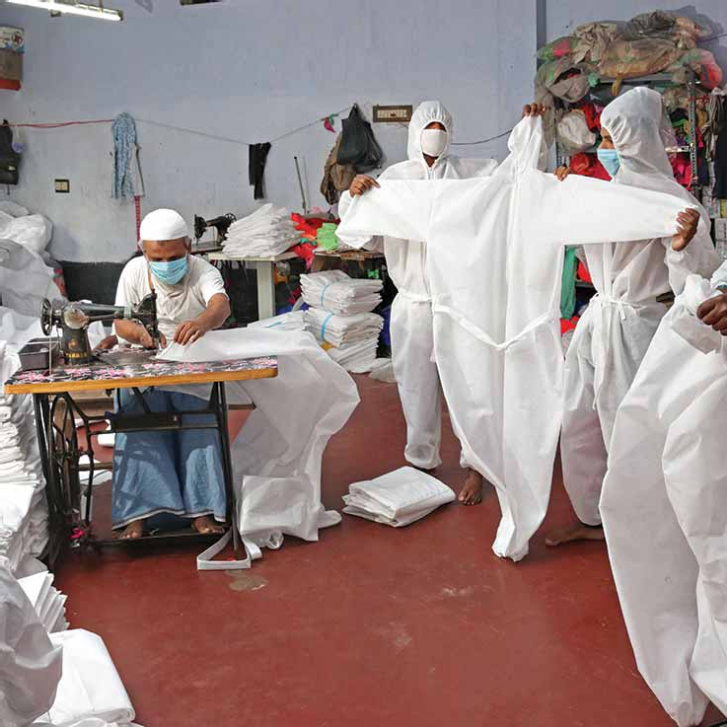
To address the COVID-19 pandemic and its economic disruptions, India’s government, businesses, and nonprofits had to work together. Their experience provides lessons for the world on crisis management.

To reduce mortality for people experiencing cardiovascular health disparities, new innovations in health care must be implemented with strategic partnerships that involve trusted organizations and community members.

New laws enabling ordinary people to become equity investors have the potential to uplift marginalized communities, if the new market creates the infrastructure to include them.

Police violence leads to worse educational outcomes and youth mental health in the immediate vicinity of incidents.
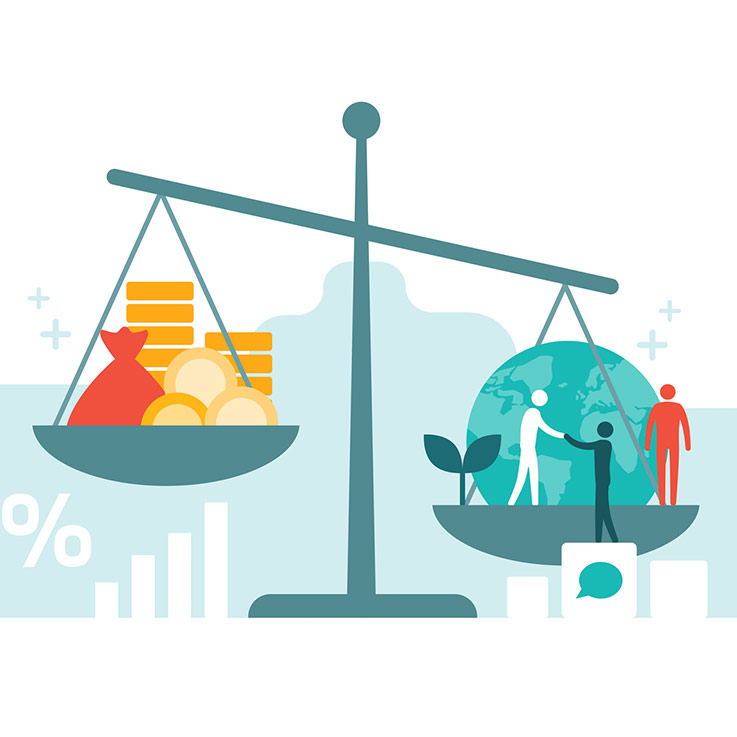
The social economy is increasingly seen as a motor for social change, but how can this shift in perspectives be framed to better understand and harness its potential?

Neighborhood investment trusts can help create more inclusive economies in cities and restore the fabric of US democracy.

The massive growth of commercial franchises like McDonald’s offers inspiration for scaling social impact. Although still very young, social sector franchising is spawning an array of successful enterprises that offer lessons for further expansion.
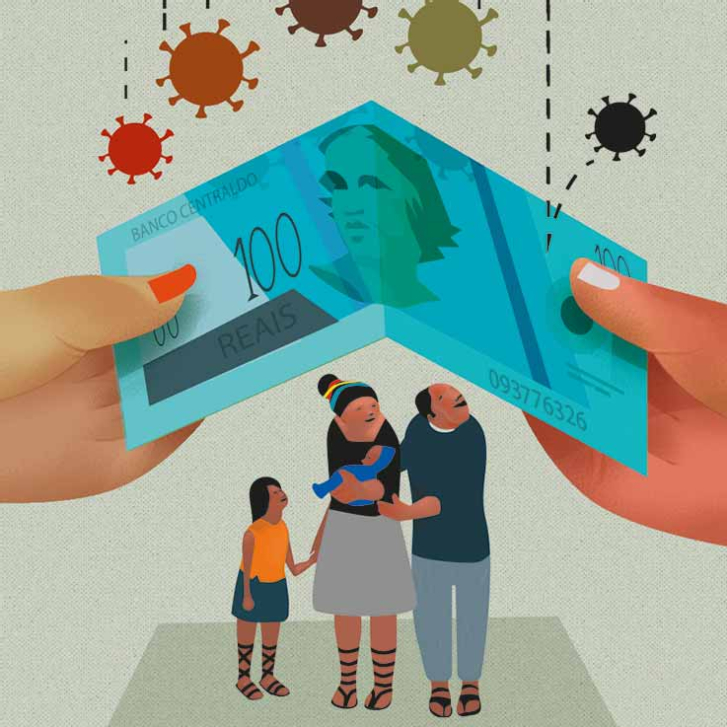
Brazilian civil society worked together to win basic income for the poor. Its success illustrates how organizations must interlock to secure rights and push for social change.