


Social Services
The Hidden Logic of Gun Violence
Men at high risk of violence interpret situations in ways that justify their violent response. Cognitive behavioral therapy can help.

Men at high risk of violence interpret situations in ways that justify their violent response. Cognitive behavioral therapy can help.
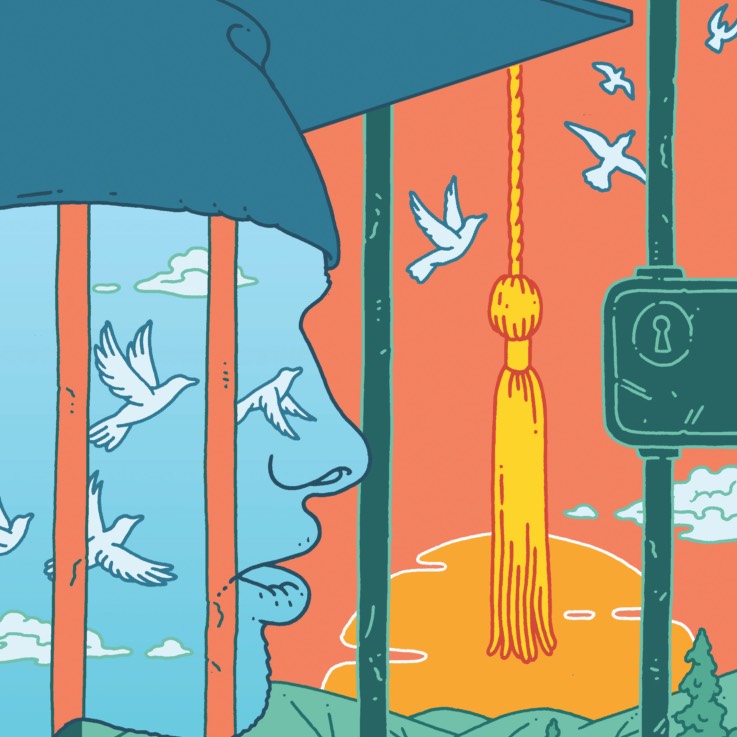
Sheriffs in Genesee County, Michigan, created an education and job-training program for inmates that reduced recidivism by transforming jail culture.

Formerly incarcerated individuals who face employment discrimination are more likely to pursue entrepreneurship.

Researchers find that relationship-building exercises between troubled students and their teachers cut recidivism.

Most programs that try to help formerly imprisoned people re-enter society and avoid reincarceration have been far from successful. Cognitive behavioral therapy (CBT) may help turn the tide.


Centering equity in funding relationships requires trust. It also takes time, resources, and a willingness to shift power to the people closest to the problem.

Nonprofits that wish to integrate revenue-generating activities into their operations must think strategically about who will benefit from them and how they will further their social mission. A feature story from the Fall 2019 issue.

The Bail Project began as a simple idea by Bronx public defenders to set up a fund to protect their clients from the ravages of an unfair system. Now their advocacy is part of a vanguard to overhaul US criminal justice.

Being imprisoned hurts people’s prospects for employment by taking them out of the job market.

The Peterborough Social Impact Bond was the first of its kind. Does its success in improving recidivism rates while rewarding investors herald a new way of using finance for social impact?