


Cities
Urban Development Needs Systems Thinking
Lessons from 15 cities in Eastern Europe and Central Asia on addressing interconnected civic challenges.
Lessons from 15 cities in Eastern Europe and Central Asia on addressing interconnected civic challenges.
Multilateral development banks and humanitarian non-governmental organizations have mostly ignored each other while working to improve lives. But with poverty increasingly concentrated in conflict-affected countries, changes are needed to provide a better collective response.

At Health Care Without Harm, we have worked with partners around the world to launch a global movement to get the health-care sector to zero emissions. Our experience provides lessons for forging global change to reverse the climate crisis.
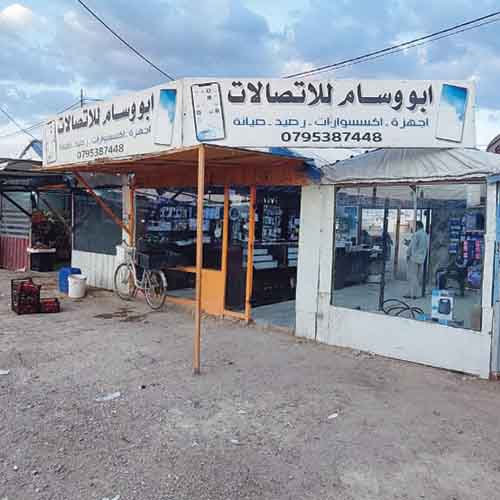
The UN refugee agency is implementing a mobile-wallet system to provide cash assistance to refugees in Jordan.

Despite a notoriously innovation-adverse environment in UN organizations overall, a growing body of success stories are changing lives and contributing to continuous organizational learning.


The public trusts major international organizations far less than the ruling class.
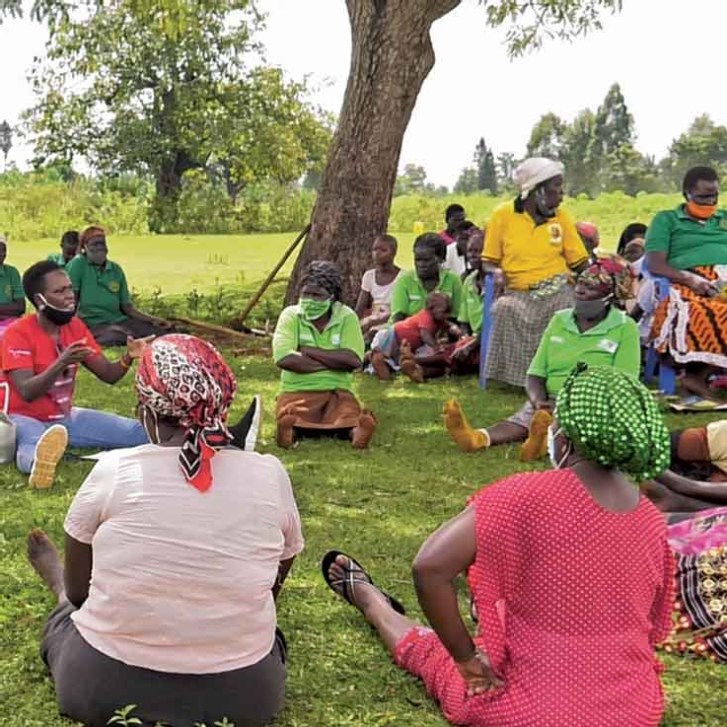
The government sector’s inadequate efforts to address climate change have spurred nonprofits like the emerging network Women’s Climate Centers International (WCCI) to take charge.

LibertApp is proving how technology can be used to stop human trafficking and save lives.
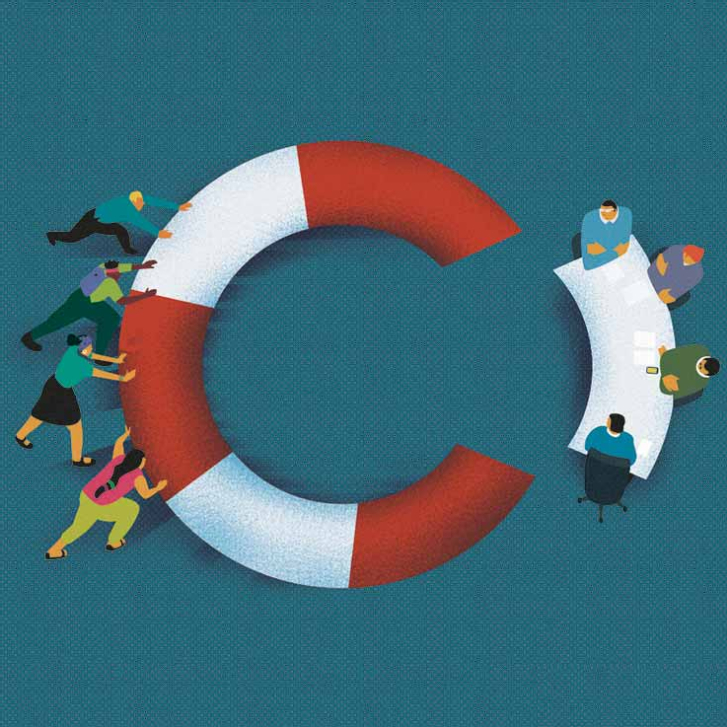
International aid must use different approaches to address the massive systemic problems it seeks to solve.

By building strategic alliances with investors and shareholders, Indigenous Peoples are proactively protecting their rights by urging corporate respect of those rights in routine operations.