


Segregation Helped Build Fortunes. What Does Philanthropy Owe Now?
Understanding the historical roots of many foundation endowments is a critical step in considering the question of philanthropic reparations.

Understanding the historical roots of many foundation endowments is a critical step in considering the question of philanthropic reparations.
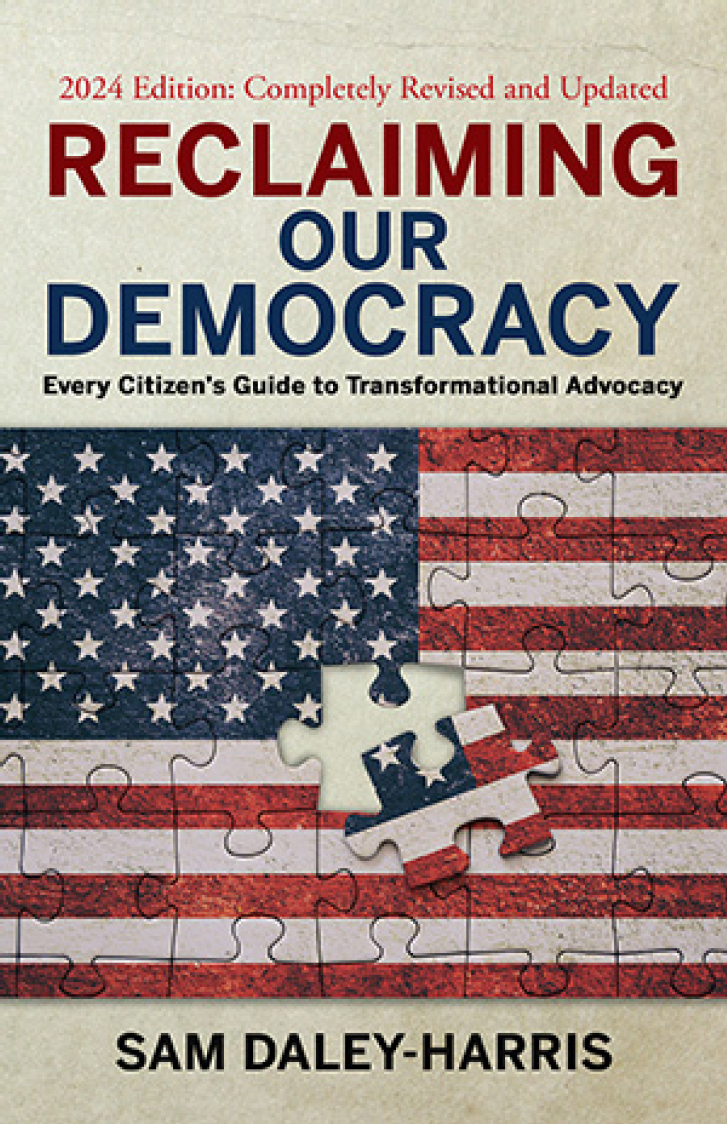
An excerpt from Reclaiming Our Democracy on how grassroots advocates are made

Like so many organizations, our environmental nonprofit was rocked by internal conflict. What happened and what did we learn?

What strategic organizations can learn from Disney and Bud Light.

The Supreme Court’s affirmative action decision highlighted a disconnect between the nonprofit sector’s intentions and its actions.


Professionalism has become coded language for white favoritism in workplace practices that more often than not leave behind people of color. This is the fourth of 10 articles in a special series about diversity, equity, and inclusion.

Five principles based in social science that will help organizations connect their work to what people care most about.

Conventional wisdom says that scaling social innovation starts with strengthening internal management capabilities. This study of 12 high-impact nonprofits, however, shows that real social change happens when organizations go outside their own walls and find creative ways to enlist the help of others.

It’s time for activists and organizations to adopt a more strategic approach to public interest communications.

Since 1970, more than 200,000 nonprofits have opened in the U.S., but only 144 have reached $50 million in annual revenue. They got big by doing two things: They raised the bulk of their money from a single type of funder. And just as importantly, these nonprofits created professional organizations that were tailored to the needs of their primary funding sources.