


How Regular Employees Became Recyclers
The disappearance of the recycling coordinator role, is a testament to an environmental success story: the institutionalization of recycling in higher education.
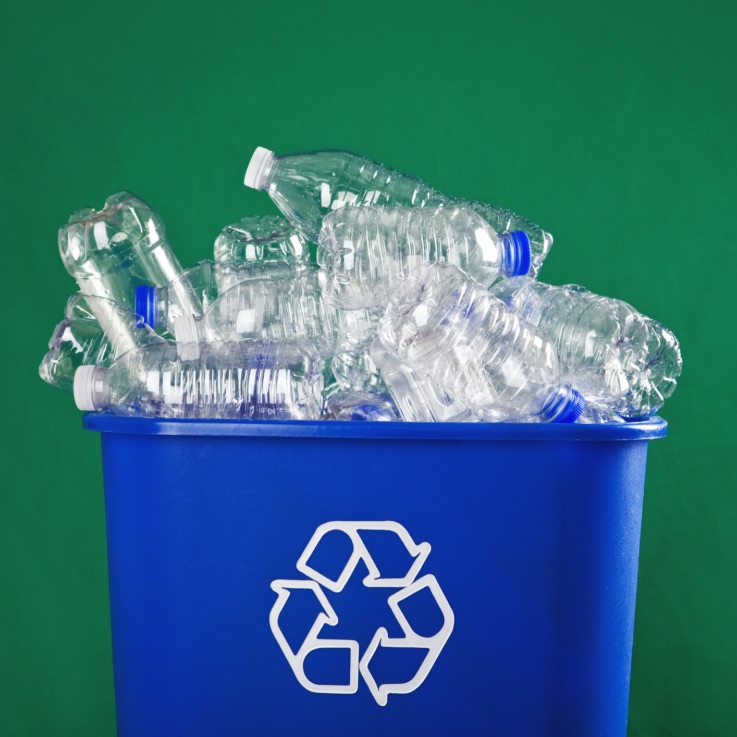
The disappearance of the recycling coordinator role, is a testament to an environmental success story: the institutionalization of recycling in higher education.
How does a poverty-fighting organization like Henry Street Settlement in New York City use arts education to strengthen the community and “serve the whole person” as its president and CEO puts it? How can donors best support these programs? David Garza of Henry Street Settlement, Kevin Greaney of PhilARThropy, and Eric Joranson of DAFGiving360 join SSIR editor Barbara Wheeler-Bride to discuss the importance of arts education and how donors can sustain these programs over time. A sponsored podcast developed with the support of DAFgiving360
Low-turnout off-cycle elections are bad for everyone. Civil society can help.
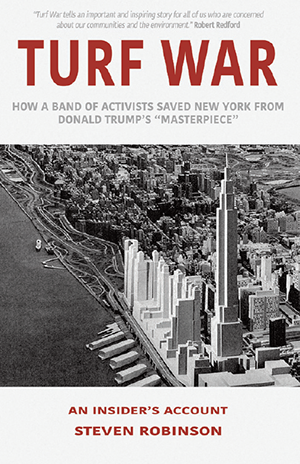
An excerpt from Turf War on opposing Trump’s Television City development in the 1980s

The traditional model of community development finance is limited by market conservatism and a focus on scale, rather than local control. We need a new paradigm that prioritizes impact over scale, emphasizes flexible and creative financing strategies, and empowers community voice. | Open access to this article is made possible by The Center for Community Investment, a sponsored project of Rockefeller Philanthropy Advisors.


With an understanding of these 10 funding models, nonprofit leaders can use the for-profit world's valuable practice of engaging in succinct and clear conversations about long-term financial strategy.

Six pathways to making housing more affordable and available from the Ivory Prize for Housing Affordability.

A look at how Switzerland radically and successfully changed its approach to drug policy following a heroin epidemic in the late 1980s and 90s, and what the effort teaches us about the social innovation process.

How standardized testing, gentrification, school choice, and economic downturn have widened inequality to create an existential threat to democracy.

How government and philanthropy can unlock the billions needed to shelter America’s unhoused