


Charting New Futures
New Constellations works with communities to imagine new and better futures, starting with the renewal of Barrow-in-Furness in Great Britain.
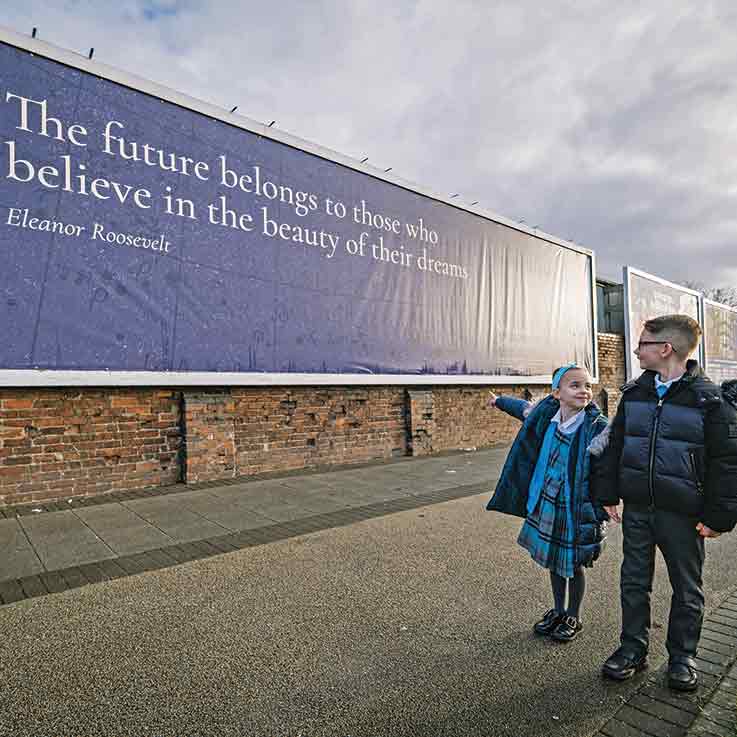
New Constellations works with communities to imagine new and better futures, starting with the renewal of Barrow-in-Furness in Great Britain.
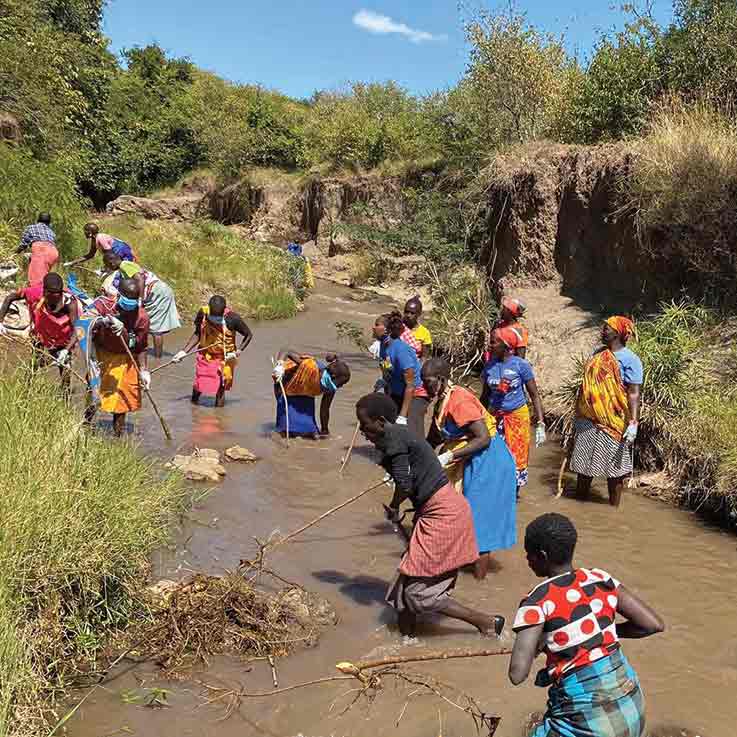
The Nashulai Maasai Conservancy is taking back Kenya’s land for Indigenous people.
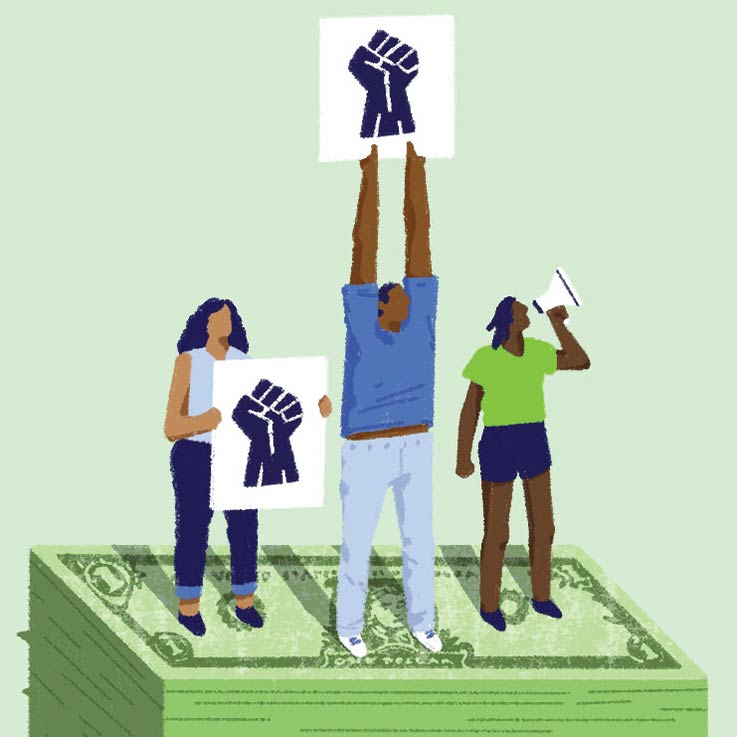
We created the Democracy Frontlines Fund to enable experienced anti-racist organizers to do their crucial work. They taught us how to do philanthropy better.
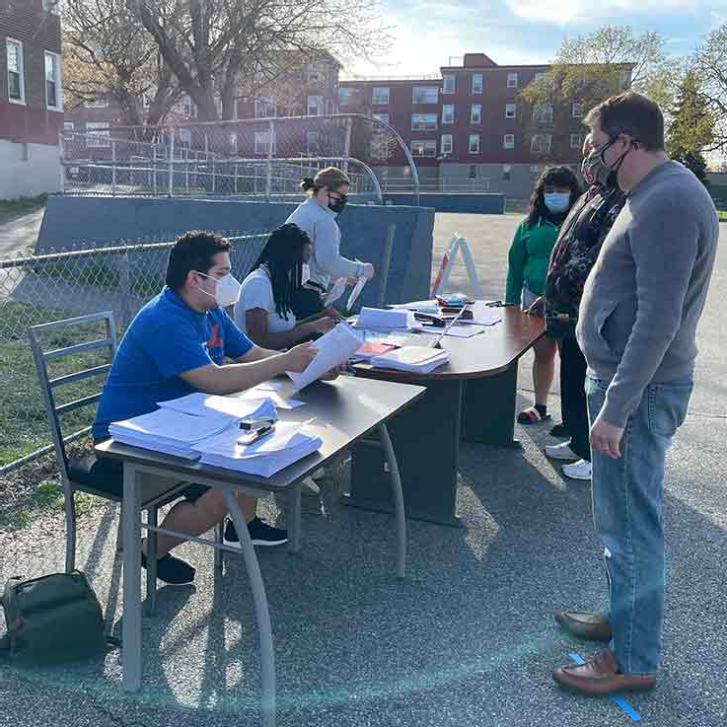
How one mobile vaccine clinic is tailoring its response to the different populations of unvaccinated and vaccine skeptics.

National service programs can bring together older and younger people to serve side by side, producing a windfall of human and social capital, plus much-needed generational and cultural understanding.


Laws and programs designed to benefit vulnerable groups, such as the disabled or people of color, often end up benefiting all of society.

It’s time for activists and organizations to adopt a more strategic approach to public interest communications.

To do as much good as possible with limited resources, funders should look to woefully underfunded protest movements.
In adopting data-driven practices, leaders must design and implement programs in ways that engage community members directly in the work of social change.

A look at how Switzerland radically and successfully changed its approach to drug policy following a heroin epidemic in the late 1980s and 90s, and what the effort teaches us about the social innovation process.