


Together We Stand
As promoters and defenders of a free civil society, we at SSIR today find ourselves taking sides: We stand with you as allies against the rise of authoritarianism in the United States and abroad.

As promoters and defenders of a free civil society, we at SSIR today find ourselves taking sides: We stand with you as allies against the rise of authoritarianism in the United States and abroad.

Lessons from 15 cities in Eastern Europe and Central Asia on addressing interconnected civic challenges.
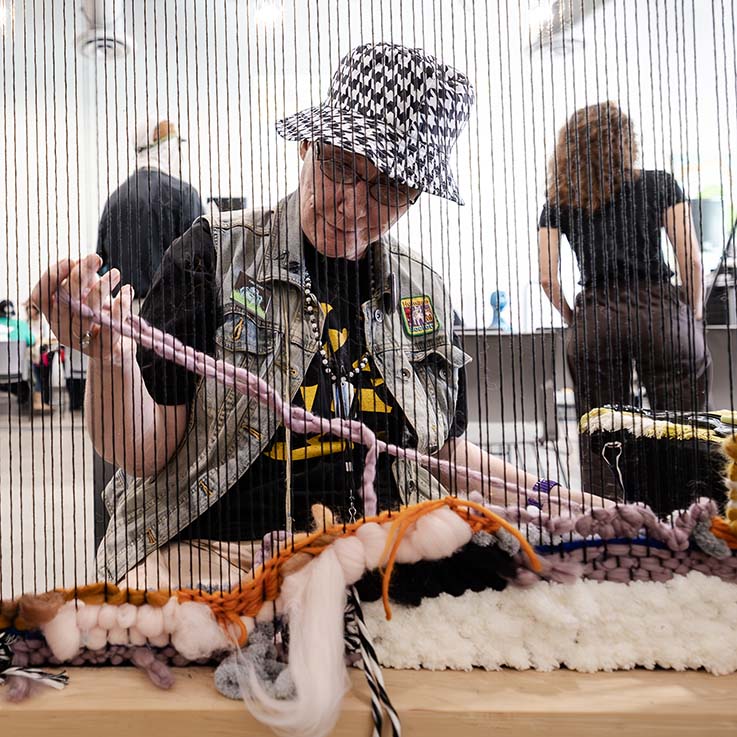
How artmaking and creative practice in the United States can address community challenges, strengthen local economies, and rebuild human connections—and three less-well-traveled ways to support it.

An excerpt from Pioneers on the ideas that cross borders and boundaries
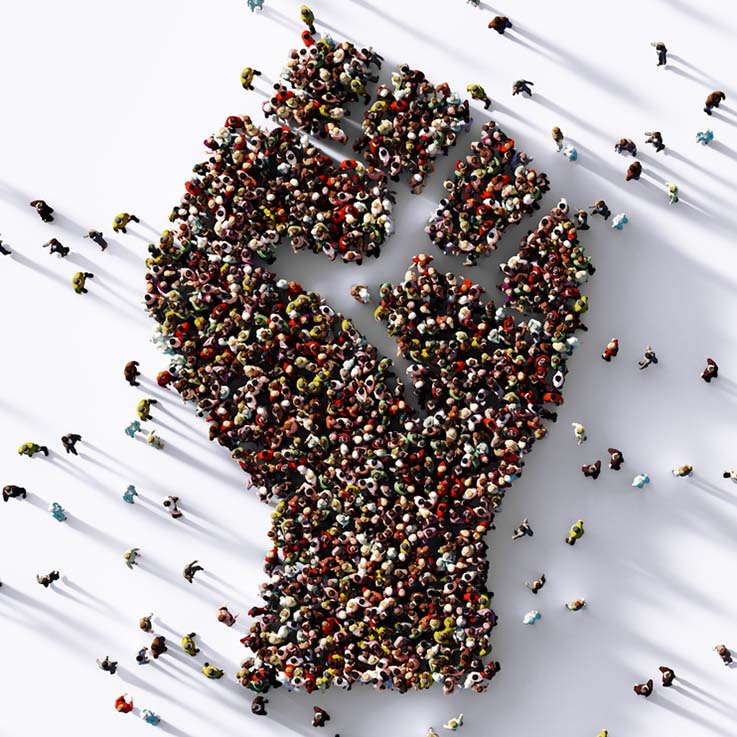
Mass mobilization to combat authoritarianism dates back millennia. New methods can harness the power of the people and advance causes for justice.


Laws and programs designed to benefit vulnerable groups, such as the disabled or people of color, often end up benefiting all of society.

It’s time for activists and organizations to adopt a more strategic approach to public interest communications.

To do as much good as possible with limited resources, funders should look to woefully underfunded protest movements.

In adopting data-driven practices, leaders must design and implement programs in ways that engage community members directly in the work of social change.

A look at how Switzerland radically and successfully changed its approach to drug policy following a heroin epidemic in the late 1980s and 90s, and what the effort teaches us about the social innovation process.