


When History Lessons Aren’t Enough
NGO Aktion Courage spurs students’ activist energy to promote antiracist programming across Germany.
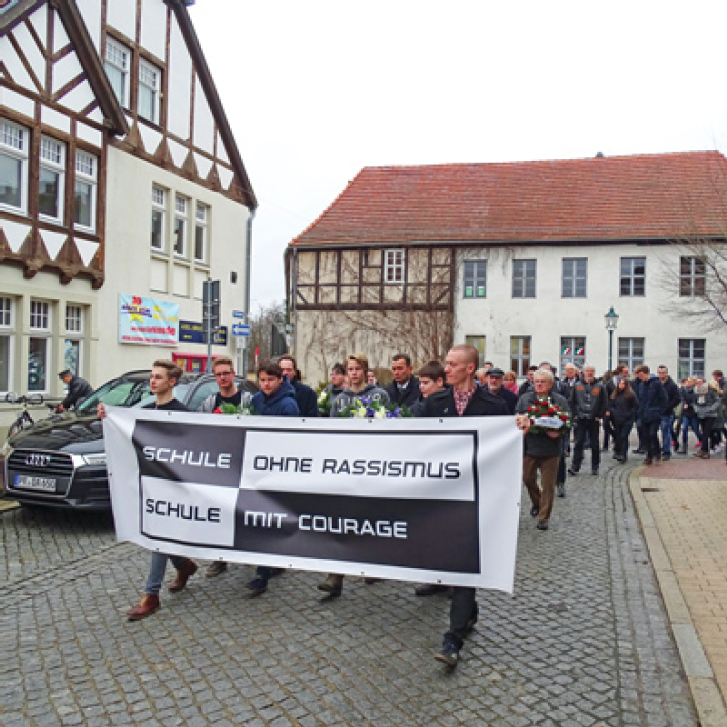
NGO Aktion Courage spurs students’ activist energy to promote antiracist programming across Germany.

New research explores when top-down control works best in international development work, and when organizations should let employees in the field navigate challenges by using their own judgment.

To achieve greater equity, we must yield to the decision-making authority of the communities we seek to help.

No single organization or individual can pull off an effective storytelling campaign alone. Reaping the benefits of storytelling requires that we build better partnerships between three important players.

Reflections on a 50-year partnership between an international NGO and multi-national corporation, and why working together in true partnership is the only way to meet the Sustainable Development Goals.


Large-scale social change requires broad cross-sector coordination, not the isolated intervention of individual organizations.

Professionalism has become coded language for white favoritism in workplace practices that more often than not leave behind people of color. This is the fourth of 10 articles in a special series about diversity, equity, and inclusion.

Conventional wisdom says that scaling social innovation starts with strengthening internal management capabilities. This study of 12 high-impact nonprofits, however, shows that real social change happens when organizations go outside their own walls and find creative ways to enlist the help of others.

Business leaders play vital roles in the nonprofit sector – as board members, donors, partners, and even executives. Yet all too often they underestimate the unique challenges of managing nonprofit organizations.

The deep changes necessary to accelerate progress against society's most intractable problems require someone who catalyzes collective leadership.