


Massive Aggregation: A New Form of New Power
By pooling money, individuals who may otherwise feel powerless are attempting to address imbalances of wealth and influence in the social sector.

By pooling money, individuals who may otherwise feel powerless are attempting to address imbalances of wealth and influence in the social sector.

At SSIR's 2018 Nonprofit Management Institute, civil society leaders shared insight and inspiration for increasing diversity, equity, and inclusion during an era when divisiveness runs through much of the public discourse.

Simple changes in mindset and behavior can break the cycle of strain and mistrust in grantor-grantee relationships.
Three considerations for Asia-Pacific foundations embarking on impact investing journeys.
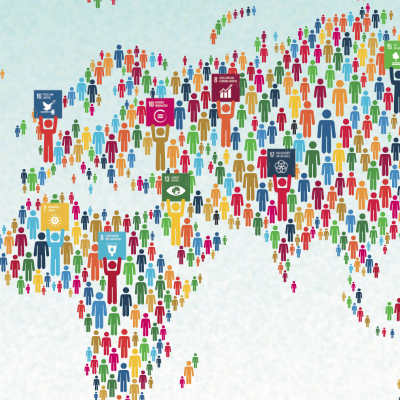
An international roster of donors has dispersed billions of dollars since 2000 to address social issues targeted by the United Nations’ Sustainable Development Goals. Their efforts highlight four ways that big bets can achieve big social change.


Large-scale social change requires broad cross-sector coordination, not the isolated intervention of individual organizations.

Professionalism has become coded language for white favoritism in workplace practices that more often than not leave behind people of color. This is the fourth of 10 articles in a special series about diversity, equity, and inclusion.

Conventional wisdom says that scaling social innovation starts with strengthening internal management capabilities. This study of 12 high-impact nonprofits, however, shows that real social change happens when organizations go outside their own walls and find creative ways to enlist the help of others.

Business leaders play vital roles in the nonprofit sector – as board members, donors, partners, and even executives. Yet all too often they underestimate the unique challenges of managing nonprofit organizations.

The deep changes necessary to accelerate progress against society's most intractable problems require someone who catalyzes collective leadership.