


The Collective Impact of Suspending Suspensions
An excerpt of Twenty Years of Life: Why the Poor Die Earlier and How the Challenge Inequity

An excerpt of Twenty Years of Life: Why the Poor Die Earlier and How the Challenge Inequity

How a family-planning group and an environmental organization banded together to foster the health of forests, fisheries, and families at the same time.
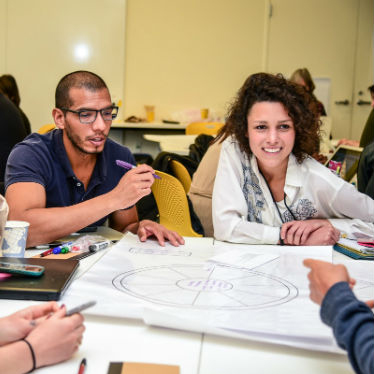
New research shows there are clear benefits to strengthening the complex environments that enable place-based innovation.

The cross-sector collaborative N Square hopes to influence the cultural conversation and rekindle public awareness about the danger that nuclear weapons pose to humanity.
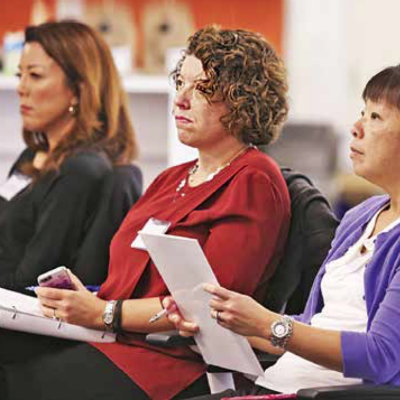
Fund for Shared Insight is pooling the cash and convictions of 13 philanthropies to build the field of end-user feedback. Can its leaders become role models for the positive change they seek to create? Open access to this article is made possible by Rockefeller Philanthropy Advisors (Fund for Shared Insight).


Large-scale social change requires broad cross-sector coordination, not the isolated intervention of individual organizations.

Professionalism has become coded language for white favoritism in workplace practices that more often than not leave behind people of color. This is the fourth of 10 articles in a special series about diversity, equity, and inclusion.

Conventional wisdom says that scaling social innovation starts with strengthening internal management capabilities. This study of 12 high-impact nonprofits, however, shows that real social change happens when organizations go outside their own walls and find creative ways to enlist the help of others.

Business leaders play vital roles in the nonprofit sector – as board members, donors, partners, and even executives. Yet all too often they underestimate the unique challenges of managing nonprofit organizations.

The deep changes necessary to accelerate progress against society's most intractable problems require someone who catalyzes collective leadership.