Developing New Models for Collaboration in Conservation
Three innovative ways groups can work together across organizational fiefdoms and disciplinary siloes to meet conservation challenges locally and globally.

Three innovative ways groups can work together across organizational fiefdoms and disciplinary siloes to meet conservation challenges locally and globally.
The integration process following a merger agreement is essential to achieving success.
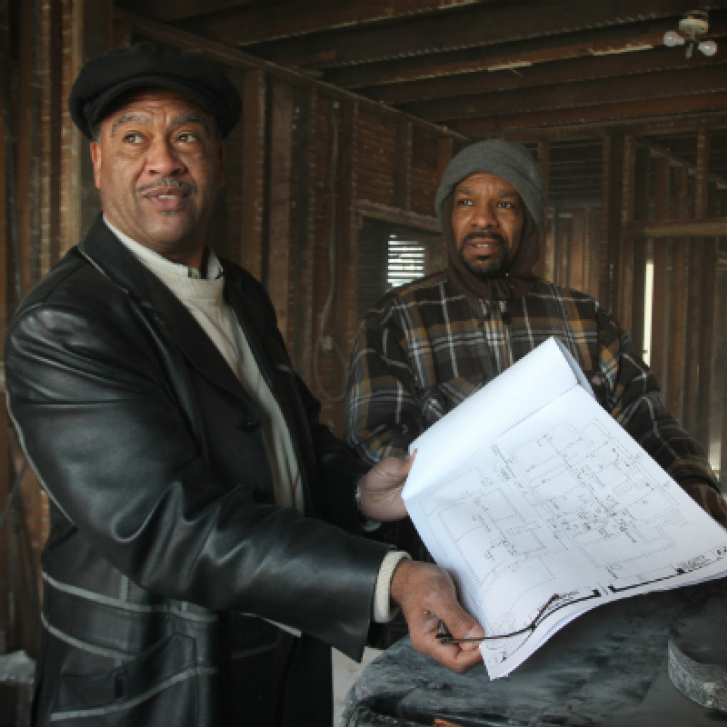
What is the difference between communities that are able to recover from disinvestment and those that cannot? The answer, according to recent research from MDRC, are the presence of strong social networks.

What lies under the word, “uncollaborative”? Usually, it’s an unaddressed power imbalance.
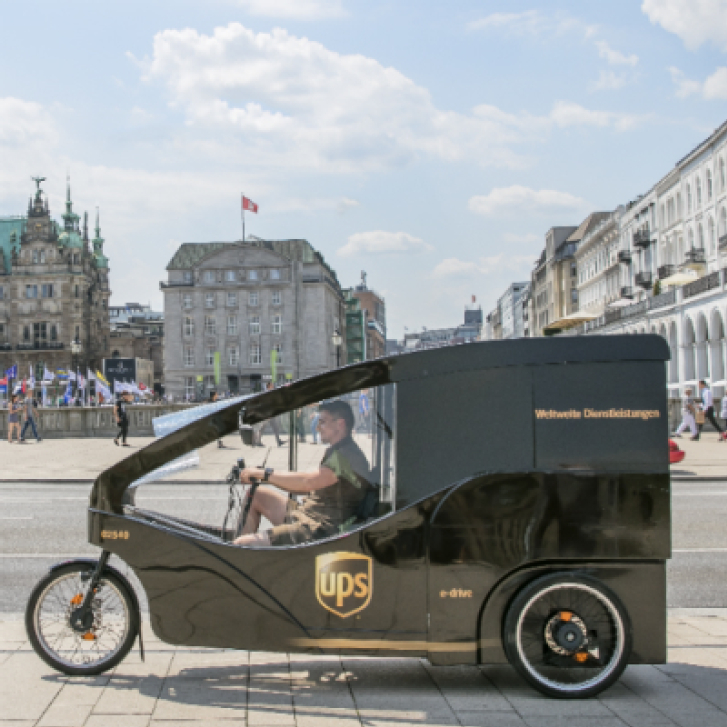
Cities are on the front line of congestion and climate change. Here are a few ways that UPS is partnering with stakeholders to address these issues.


Large-scale social change requires broad cross-sector coordination, not the isolated intervention of individual organizations.

Professionalism has become coded language for white favoritism in workplace practices that more often than not leave behind people of color. This is the fourth of 10 articles in a special series about diversity, equity, and inclusion.

Conventional wisdom says that scaling social innovation starts with strengthening internal management capabilities. This study of 12 high-impact nonprofits, however, shows that real social change happens when organizations go outside their own walls and find creative ways to enlist the help of others.

Business leaders play vital roles in the nonprofit sector – as board members, donors, partners, and even executives. Yet all too often they underestimate the unique challenges of managing nonprofit organizations.

The deep changes necessary to accelerate progress against society's most intractable problems require someone who catalyzes collective leadership.