


Powering Needs, Empowering Lives
SELCO caters to India’s hundreds of millions of rural poor with solar-powered energy solutions carefully customized to their needs. Now the social enterprise is sharing its model with others around the world.
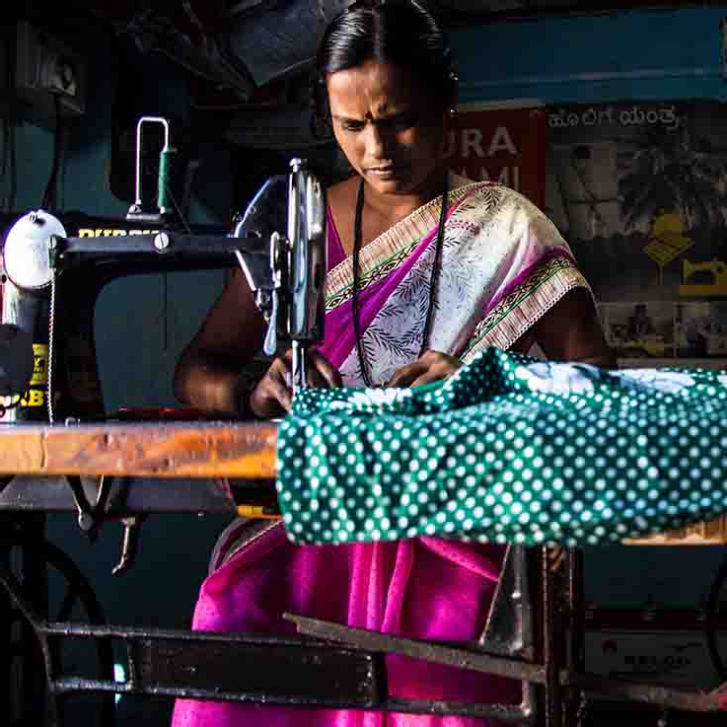
SELCO caters to India’s hundreds of millions of rural poor with solar-powered energy solutions carefully customized to their needs. Now the social enterprise is sharing its model with others around the world.

Three areas where philanthropic funders can partner with government on infrastructure investments to advance equity in the United States.

Years of implementing, studying, and iterating on cash transfer programs have revealed some important lessons about achieving long-term impact.

A look at how the Tamarack Institute united the efforts of local collective impact initiatives across Canada to accelerate systems change in support of a living wage.

Transitioning businesses to employee ownership has the potential to significantly reduce the overall wealth gap as well as the racial equity gap. But it will take capital investment to scale.


Fair Trade-certified coffee is growing in sales, but strict certification requirements are resulting in uneven economic advantages for coffee growers and lower quality coffee for consumers.

Six pathways to making housing more affordable and available from the Ivory Prize for Housing Affordability.

Why Kiva chose to be a 501(c)(3), what this tax status buys the organization, and how being a nonprofit poses challenges.

A new approach to measuring poverty is needed, one that accounts for multiple factors such as housing, and regional economic differences.

To cure the social sector’s metric monomania, we must get comfortable with complexity.