


sponsored
Using Data to Disrupt Systemic Inequity
A look at how the collective impact initiative StriveTogether is enlisting data to resolve systemic barriers that limit opportunity for children and families of color in the United States.

A look at how the collective impact initiative StriveTogether is enlisting data to resolve systemic barriers that limit opportunity for children and families of color in the United States.
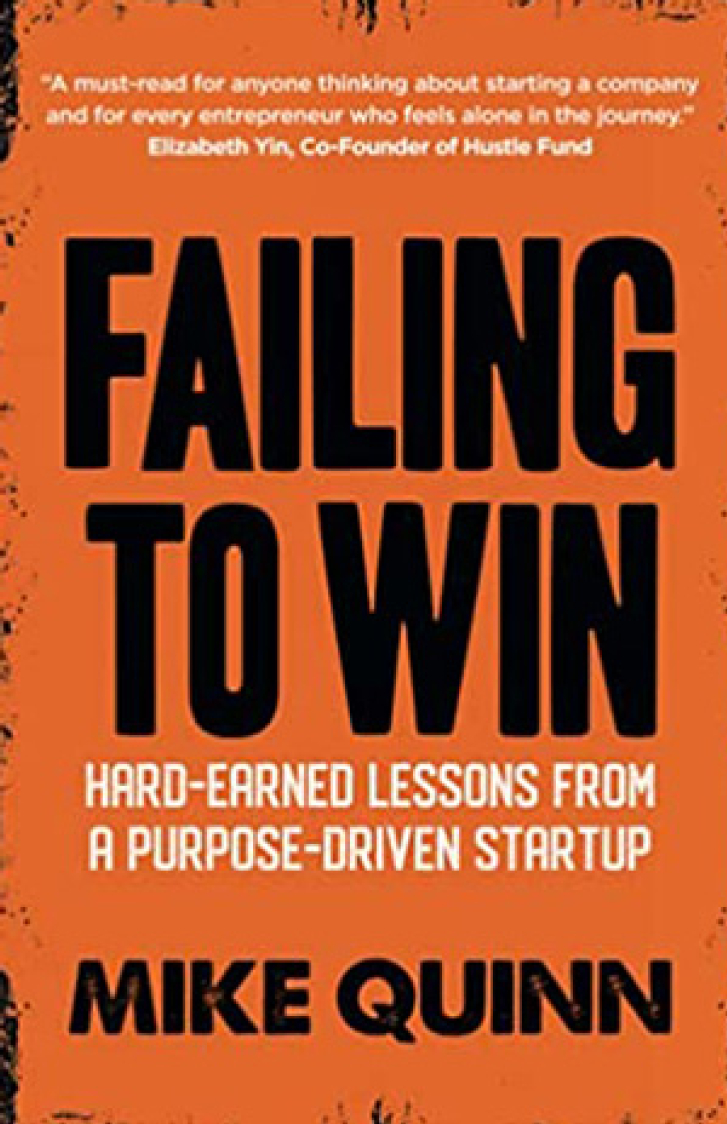
An excerpt from Failing To Win: Hard-Earned Lessons from a Purpose-Driven Startup on critical mistakes and what could have been.

While blended finance has the potential to accelerate development in India, there are bottlenecks holding back its potential.

Four ways blockchain technology is beginning to help people in countries such as Kenya and Argentina build more resilient and prosperous lives through greater access to financial services.

Sustainable pine resin producer Ejido Verde uses an adaptive reforestation model to replenish supply and meet demand.


Fair Trade-certified coffee is growing in sales, but strict certification requirements are resulting in uneven economic advantages for coffee growers and lower quality coffee for consumers.

Six pathways to making housing more affordable and available from the Ivory Prize for Housing Affordability.

Why Kiva chose to be a 501(c)(3), what this tax status buys the organization, and how being a nonprofit poses challenges.

A new approach to measuring poverty is needed, one that accounts for multiple factors such as housing, and regional economic differences.

To cure the social sector’s metric monomania, we must get comfortable with complexity.