Is Universal Basic Income the Key to Happiness in Asia?
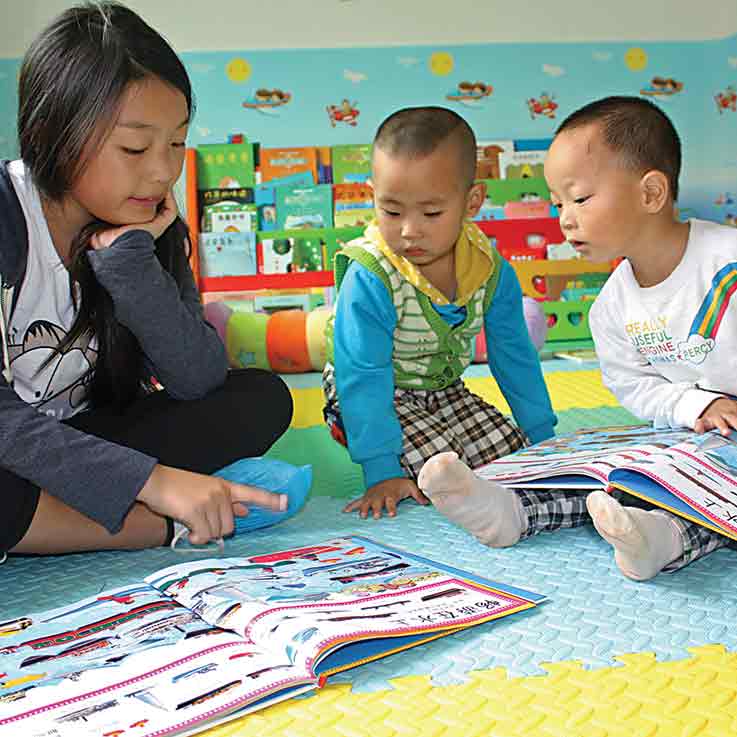
A look at why unconditional income has gained popularity in South Korea and what we can learn from the largest trial in Asia to date.
New public awareness of how the traditional financial system fails small businesses creates an opportunity to build models that connect entrepreneurs with the capital they need to recover, grow, and thrive—and that drive a more equitable and inclusive economy.
Research on 23,000 ventures reveals factors that donors, managers, and entrepreneurs should consider as they choose to support, run, or use accelerators, the increasingly popular training programs that help businesses succeed.
Sensible innovation policy design, targeted at innovations for the public good, can be a crucial tool in helping our societies recover and rebuild.
New laws enabling ordinary people to become equity investors have the potential to uplift marginalized communities, if the new market creates the infrastructure to include them.
Fair Trade-certified coffee is growing in sales, but strict certification requirements are resulting in uneven economic advantages for coffee growers and lower quality coffee for consumers.
Six pathways to making housing more affordable and available from the Ivory Prize for Housing Affordability.
Why Kiva chose to be a 501(c)(3), what this tax status buys the organization, and how being a nonprofit poses challenges.
A new approach to measuring poverty is needed, one that accounts for multiple factors such as housing, and regional economic differences.
To cure the social sector’s metric monomania, we must get comfortable with complexity.