


The Great Disrupter of Disadvantage
Education stops intergenerational transmission of disadvantages, Danish administrative data shows.

Education stops intergenerational transmission of disadvantages, Danish administrative data shows.
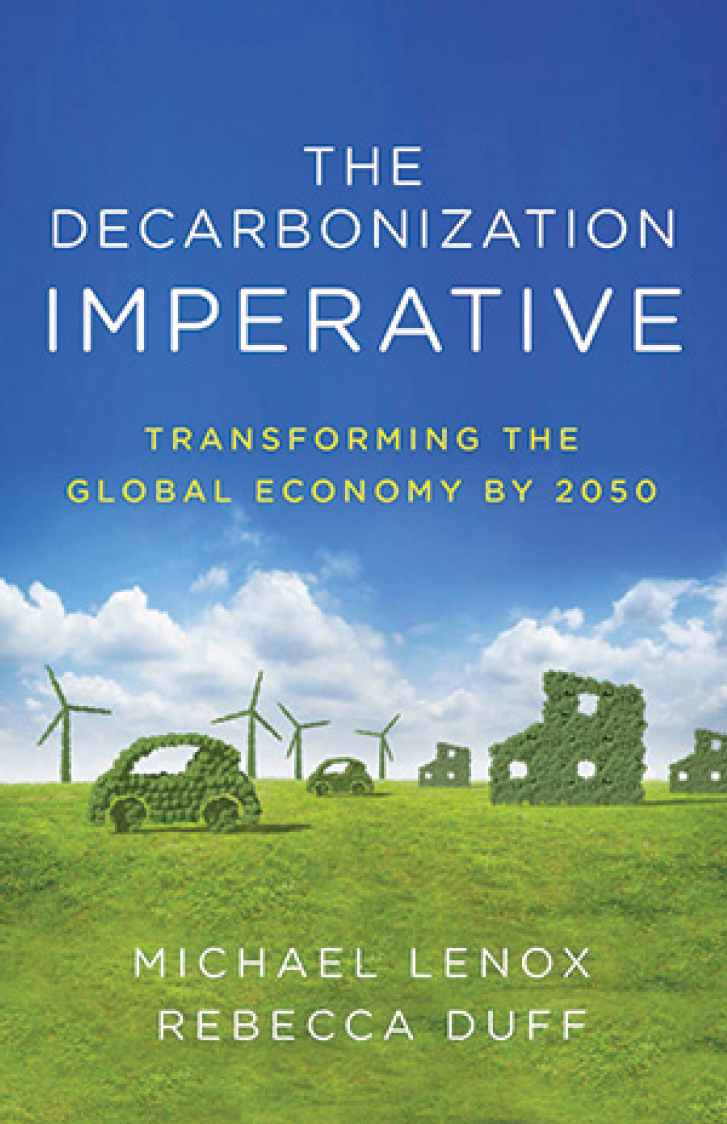
Authors Michael Lenox and Rebecca Duff call for disruptive innovations and radical reconfiguration of industries to decarbonize the planet by 2050.
A collection of standout pieces published online about impact accounting, intersectional storytelling, NGO endgames, universal basic income in South Korea, and a social enterprise supporting coffee growers in Central America.
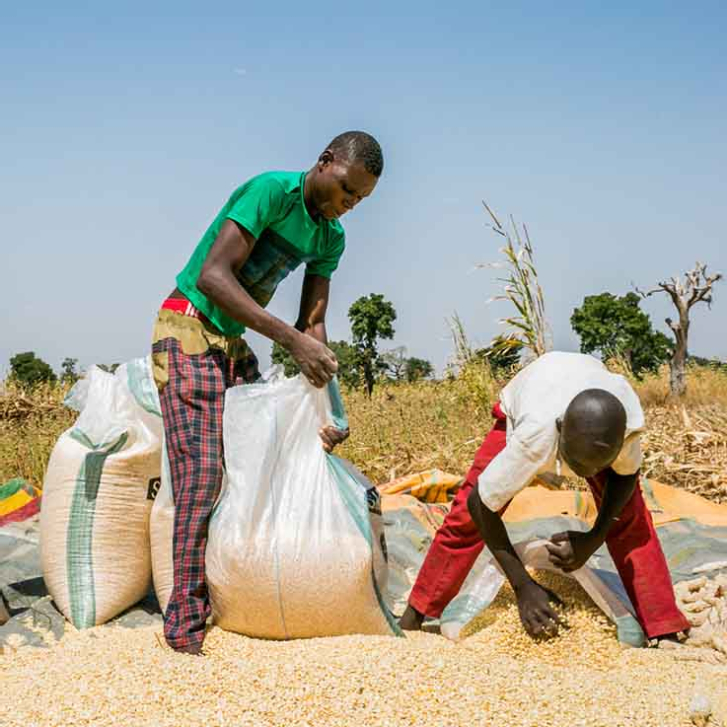
Babban Gona provides the capital and means to move Nigeria’s poor farmers from a life of subsistence to economic security—and a model for alleviating poverty across Africa.
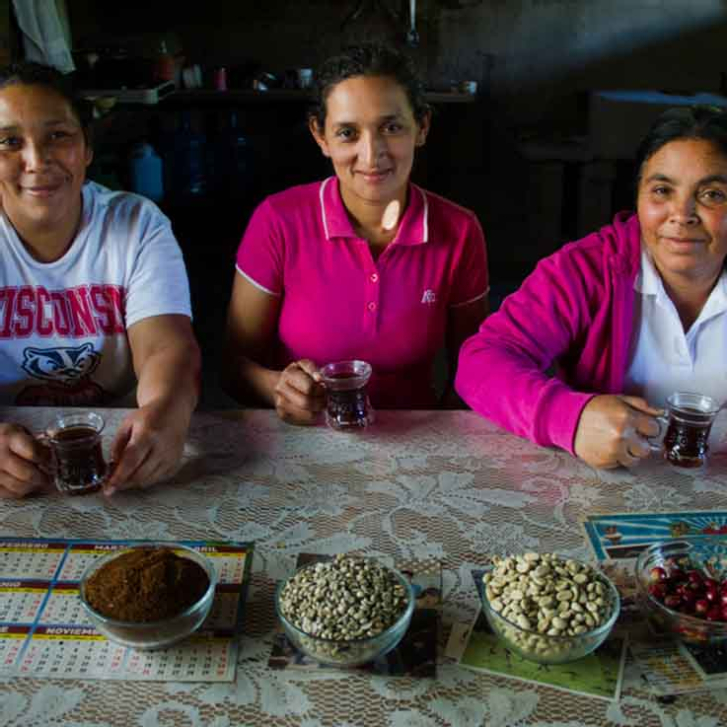
Vega Coffee lifts up struggling coffee growers in Latin America by enabling them to roast, package, and ship their own beans directly to US customers—and reinvents the supply chain in the process.


Fair Trade-certified coffee is growing in sales, but strict certification requirements are resulting in uneven economic advantages for coffee growers and lower quality coffee for consumers.

Six pathways to making housing more affordable and available from the Ivory Prize for Housing Affordability.
Why Kiva chose to be a 501(c)(3), what this tax status buys the organization, and how being a nonprofit poses challenges.

A new approach to measuring poverty is needed, one that accounts for multiple factors such as housing, and regional economic differences.

To cure the social sector’s metric monomania, we must get comfortable with complexity.