

A Mantra for the Privileged
There is a lot of untapped potential in would-be entrepreneurs in developing countries. But they can’t afford to “fail fast, fail often.”

There is a lot of untapped potential in would-be entrepreneurs in developing countries. But they can’t afford to “fail fast, fail often.”
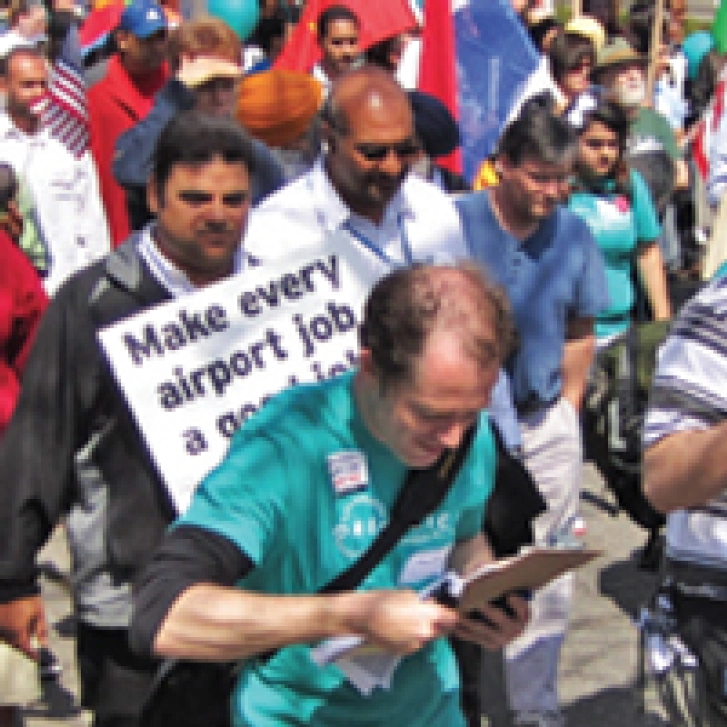
Through the Workers Lab, union leaders aim to nurture “audacious ideas” that might reinvent the US labor movement.
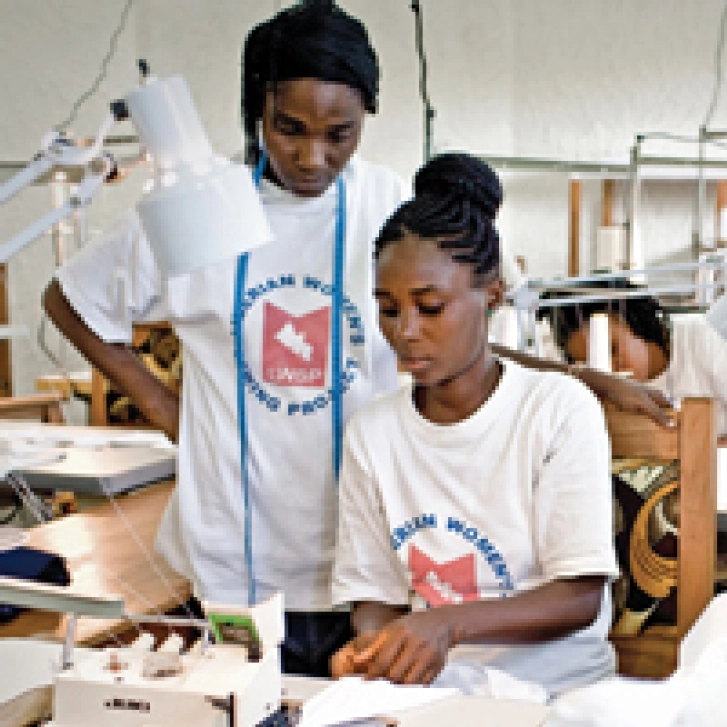
Creating an ethically sourced apparel company in West Africa is hard enough, but when Ebola strikes, the challenges become almost insurmountable.

The relatively simple act of providing African girls with the money they need to stay in school has achieved significant results.
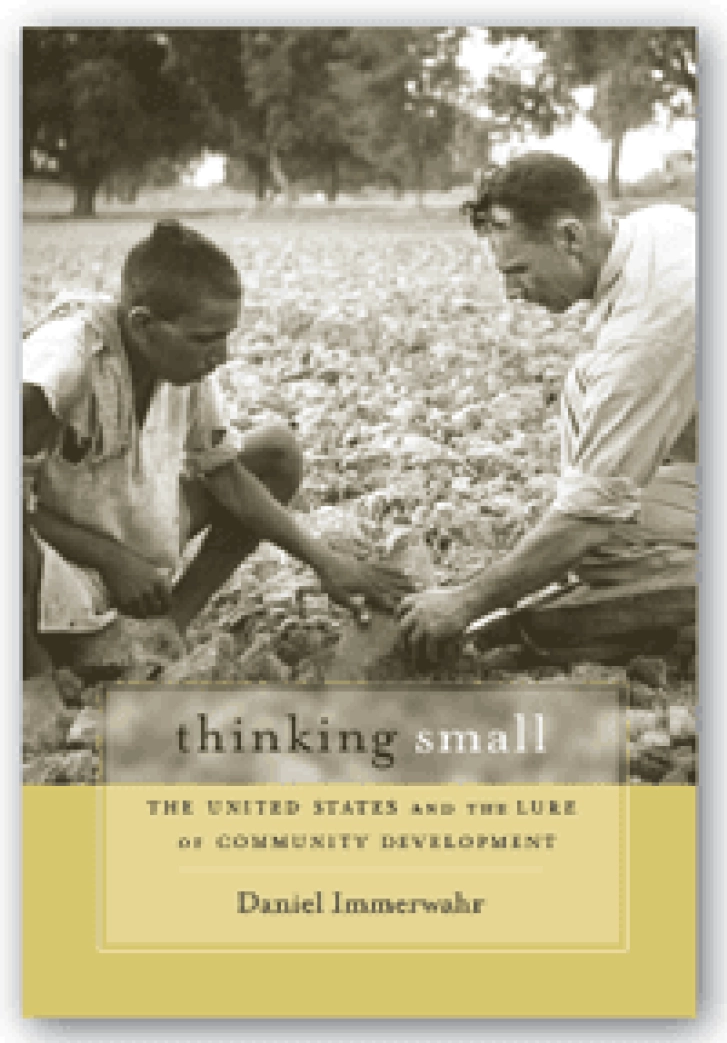
For policy makers today, earlier efforts to promote local community organizing yield relatively few lessons.


Fair Trade-certified coffee is growing in sales, but strict certification requirements are resulting in uneven economic advantages for coffee growers and lower quality coffee for consumers.

Impact evaluations are an important tool for learning about effective solutions to social problems, but they are a good investment only in the right circumstances.

In adopting data-driven practices, leaders must design and implement programs in ways that engage community members directly in the work of social change.

Why Kiva chose to be a 501(c)(3), what this tax status buys the organization, and how being a nonprofit poses challenges.
A suggested reading list to provide a foundation for understanding development, aid, and poverty.