What Is the Civic University For?
Embedding action through research by placing the Sustainable Development Goals at the center of university planning. Part of the Innovating Higher Education series.

Embedding action through research by placing the Sustainable Development Goals at the center of university planning. Part of the Innovating Higher Education series.

How Times Higher Education developed and implemented a new set of social impact rankings for higher education for a more sustainable, resilient future. Part of the Innovating Higher Education series.
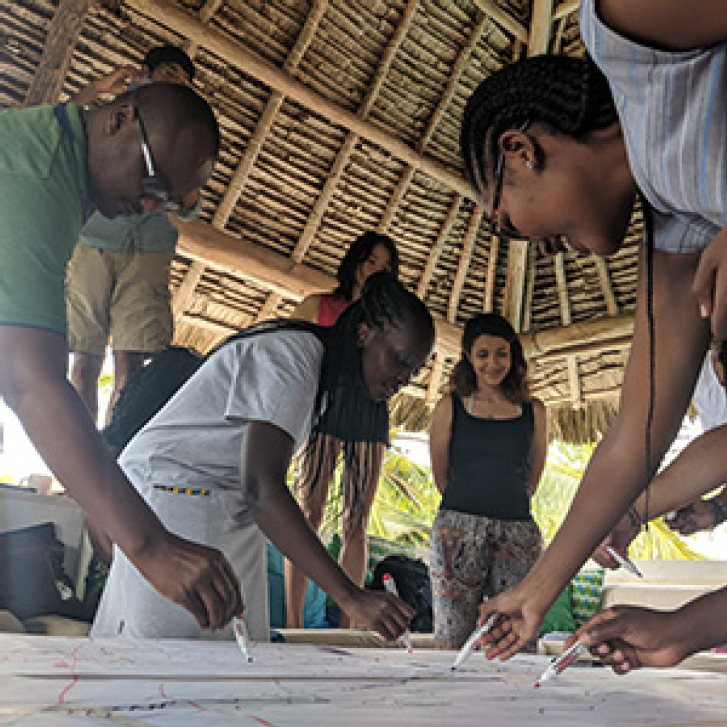
How Amani Institute is building a skills-based and inclusive curriculum for changemaking in the developing world. Part of the Innovating Higher Education series.
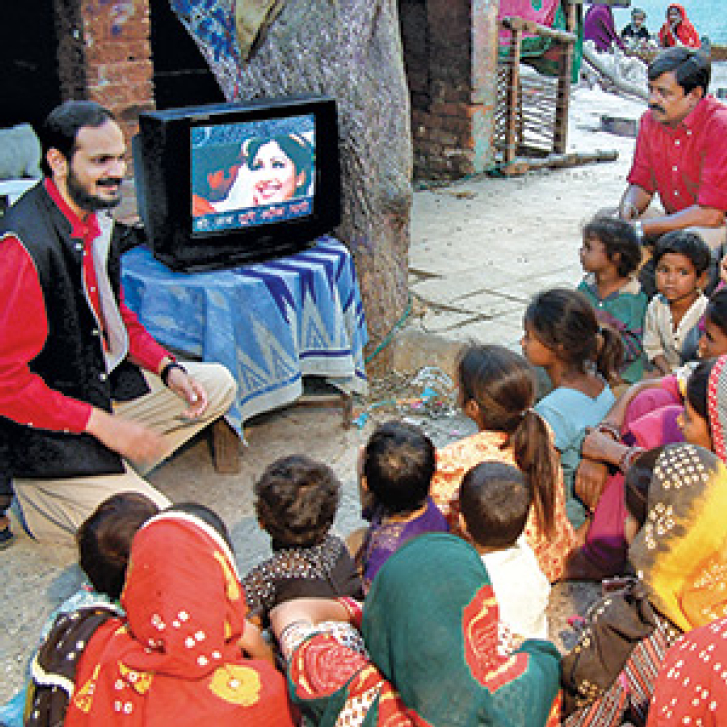
Same language subtitling (SLS) on India’s major TV channels went from concept in 1996 to national broadcast policy in 2019. This is the story of how we did it. A feature story from the Summer 2020 issue.
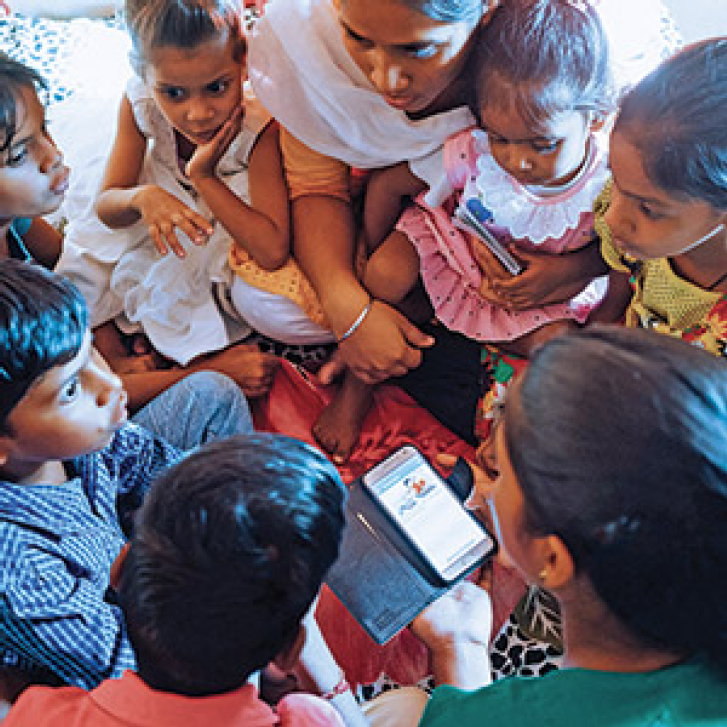
An adaptive learning approach bolsters a unique partnership that has changed the way parents read to their kids in hundreds of thousands of households across India. A Field Report from the Summer 2020 issue.


Large-scale social change requires broad cross-sector coordination, not the isolated intervention of individual organizations.

American educators, policymakers, and philanthropists are overselling the role of the highly skilled individual teacher and undervaluing the benefits that come from teacher collaborations.
Both human-centered and systems-thinking methods fit within an effective design approach, and can work in conjunction to address social challenges.
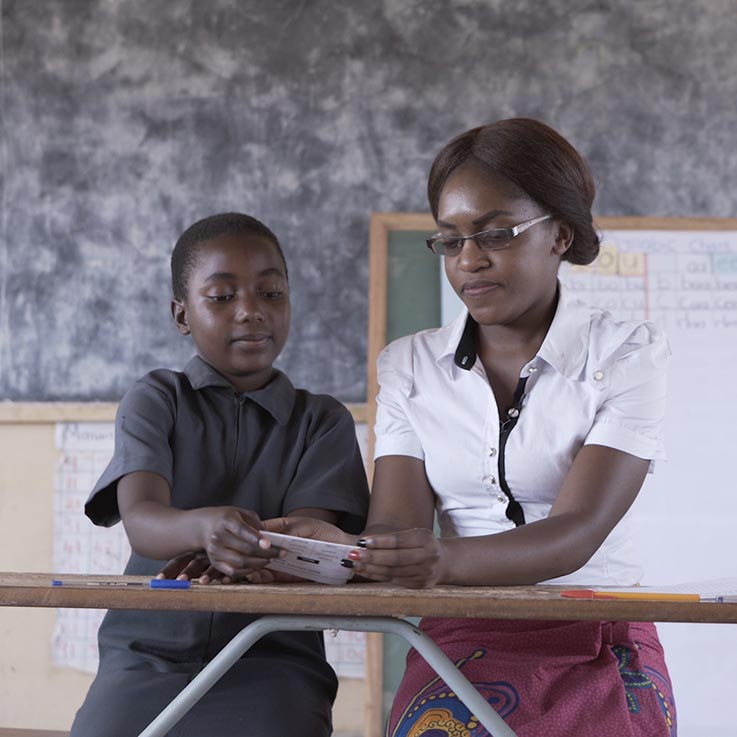
Research from the Abdul Latif Jameel Poverty Action Lab (J-PAL) and its partners shows how to help children learn amid erratic access to schools during a pandemic, and how those solutions may make progress toward the Sustainable Development Goal of ensuring a quality education for all by 2030.

How standardized testing, gentrification, school choice, and economic downturn have widened inequality to create an existential threat to democracy.