sponsored
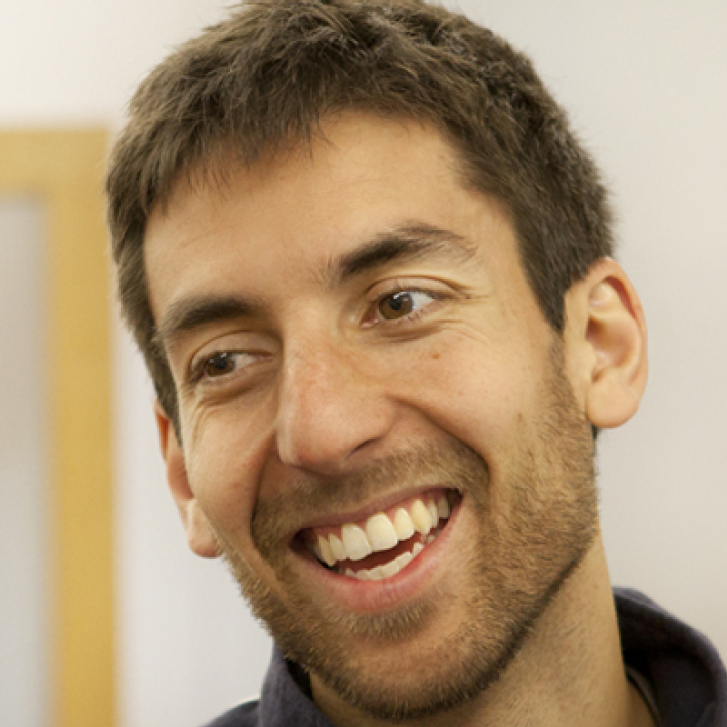
Technology Is Her Compass and Data Is Her Guide
Pencils of Promise CEO Tanya Ramos blazes new trails as an early adopter of digital tools.

Pencils of Promise CEO Tanya Ramos blazes new trails as an early adopter of digital tools.
How Minerva is reimagining higher education now and partnering to scale for impact in the future. Part of the Innovating Higher Education series.

Lessons learned at Friends of the Children about maintaining stability in service during this crisis and the next one.
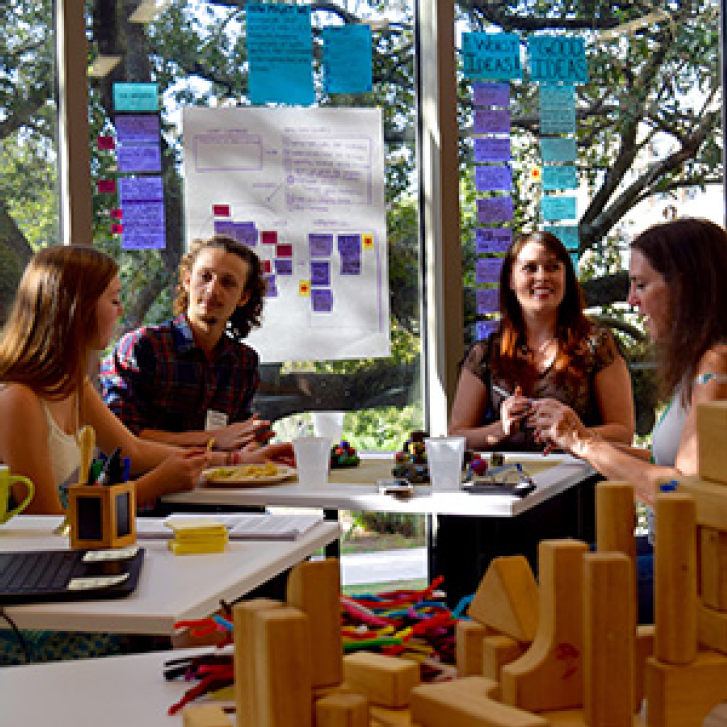
How Tulane University rebuilt from Hurricane Katrina with a renewed commitment to embedding social innovation and community engagement at the core of its mission. Part of Innovating Higher Education for the Greater Good, a new series from SSIR and Ashoka U.

Embedding changemaking into the culture and operations of higher education will prepare institutions to deploy their tremendous human capital and knowledge and research assets in innovative, trans-disciplinary, and collaborative ways to address the many challenges ahead.
Part of Innovating Higher Education for the Greater Good, a new series from SSIR and Ashoka U.


Large-scale social change requires broad cross-sector coordination, not the isolated intervention of individual organizations.
American educators, policymakers, and philanthropists are overselling the role of the highly skilled individual teacher and undervaluing the benefits that come from teacher collaborations.
Both human-centered and systems-thinking methods fit within an effective design approach, and can work in conjunction to address social challenges.
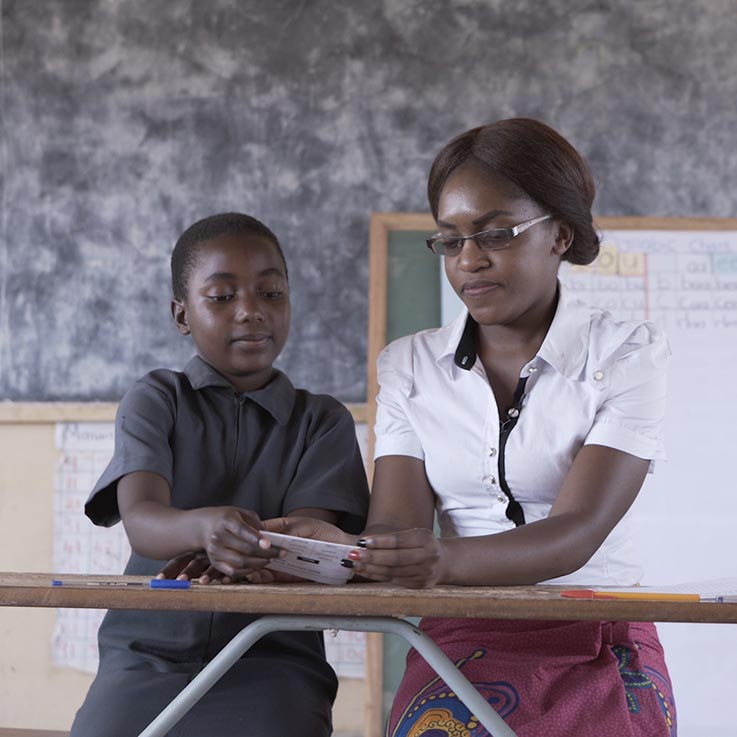
Research from the Abdul Latif Jameel Poverty Action Lab (J-PAL) and its partners shows how to help children learn amid erratic access to schools during a pandemic, and how those solutions may make progress toward the Sustainable Development Goal of ensuring a quality education for all by 2030.

How standardized testing, gentrification, school choice, and economic downturn have widened inequality to create an existential threat to democracy.