Building the Field of Sustainable Development
To grow the workforce that will advance the United Nations’ Sustainable Development Goals, foundations ought to bring back approaches they relied on decades ago. A Viewpoint from the Winter 2020 issue.
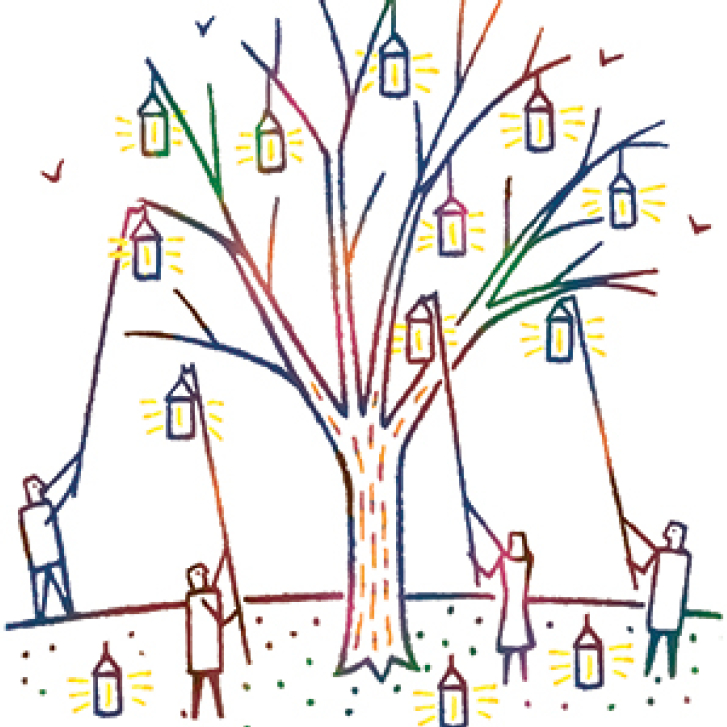
To grow the workforce that will advance the United Nations’ Sustainable Development Goals, foundations ought to bring back approaches they relied on decades ago. A Viewpoint from the Winter 2020 issue.
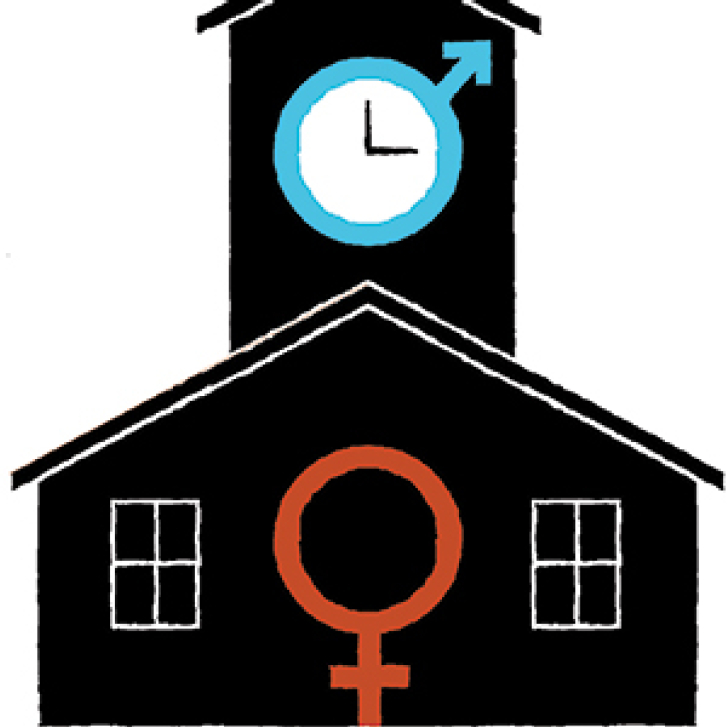
Michela Musto's research scrutinized two classroom dynamics: how educators—mostly white college-educated women—enforced rules or responded to boys breaking them; and how educators disciplined white, Asian-American, and Latino boys differently. A Research article from the Winter 2020 issue.
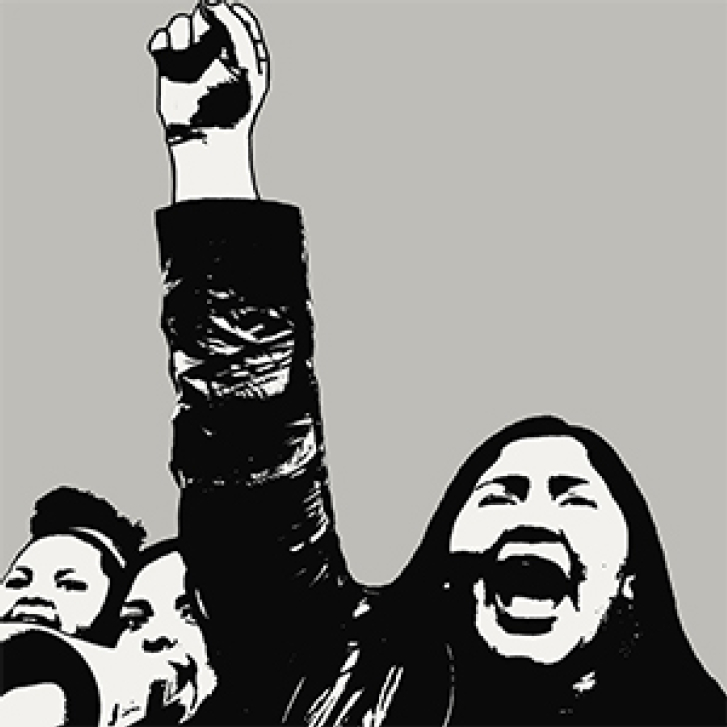
Good strikes force the very consensus building that America needs, and the sooner we reprioritize unions, the sooner we can reclaim democracy. Part of the Winter 2020 issue's Realizing Democracy supplement funded by the Ford Foundation.
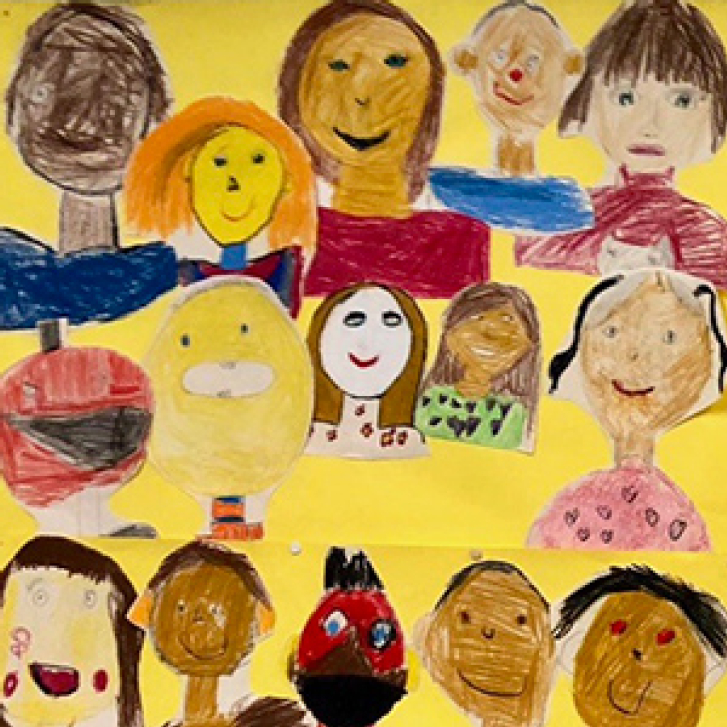
Four strategies for creating a positive school culture that focuses on the whole student and fosters long-term, holistic well-being.
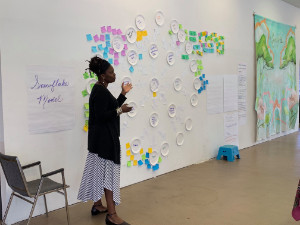
Nine supporting activities that can help make collective impact approaches to social change more nuanced and rigorous.


Large-scale social change requires broad cross-sector coordination, not the isolated intervention of individual organizations.

American educators, policymakers, and philanthropists are overselling the role of the highly skilled individual teacher and undervaluing the benefits that come from teacher collaborations.
Both human-centered and systems-thinking methods fit within an effective design approach, and can work in conjunction to address social challenges.
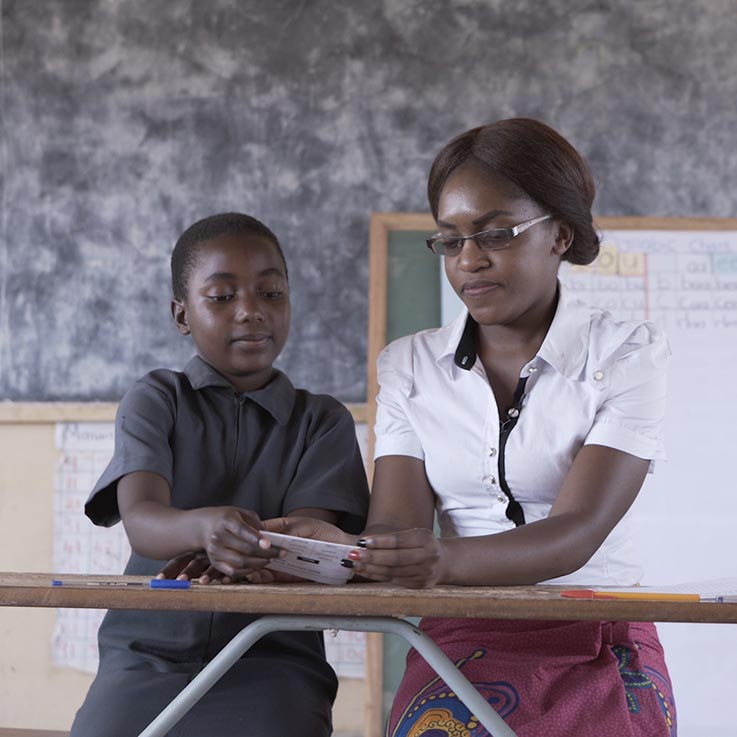
Research from the Abdul Latif Jameel Poverty Action Lab (J-PAL) and its partners shows how to help children learn amid erratic access to schools during a pandemic, and how those solutions may make progress toward the Sustainable Development Goal of ensuring a quality education for all by 2030.

How standardized testing, gentrification, school choice, and economic downturn have widened inequality to create an existential threat to democracy.