What US Schools Can Learn From Finland’s Approach to Education
Four strategies for creating a positive school culture that focuses on the whole student and fosters long-term, holistic well-being.
Nine supporting activities that can help make collective impact approaches to social change more nuanced and rigorous.
With a study-and-work approach, we can create more opportunities for more students beyond high school. A Viewpoint from the Fall 2019 issue.
A case study of how public higher education institutions are successfully using predictive tools to increase graduation rates and close the achievement and opportunity gaps between low-income and underrepresented minority students and their peers.
Leaders behind two social impact efforts in India discovered that before they could improve lives, they first had to shift mindsets.
Large-scale social change requires broad cross-sector coordination, not the isolated intervention of individual organizations.
American educators, policymakers, and philanthropists are overselling the role of the highly skilled individual teacher and undervaluing the benefits that come from teacher collaborations.
Both human-centered and systems-thinking methods fit within an effective design approach, and can work in conjunction to address social challenges.
Research from the Abdul Latif Jameel Poverty Action Lab (J-PAL) and its partners shows how to help children learn amid erratic access to schools during a pandemic, and how those solutions may make progress toward the Sustainable Development Goal of ensuring a quality education for all by 2030.
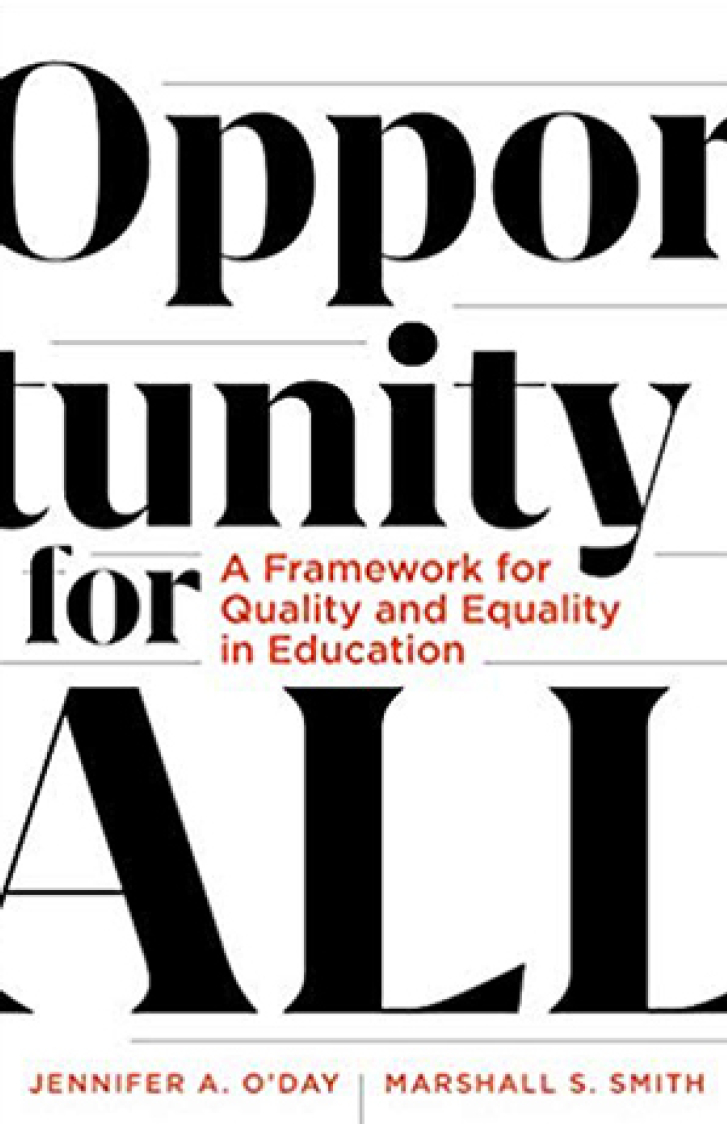
How standardized testing, gentrification, school choice, and economic downturn have widened inequality to create an existential threat to democracy.