
HBCUs Want to Shift From Survival to Sovereignty
How well-targeted investments can help unlock the full potential of Black higher education.
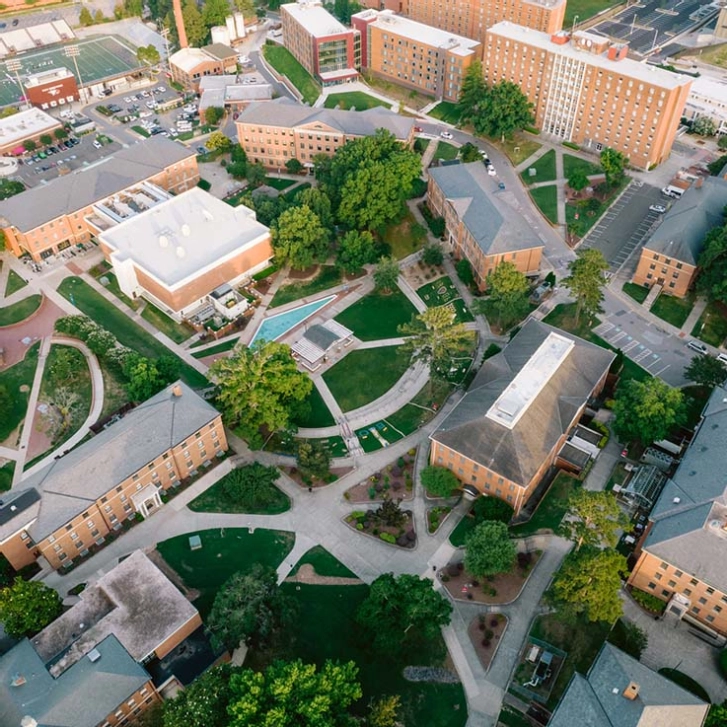
How well-targeted investments can help unlock the full potential of Black higher education.
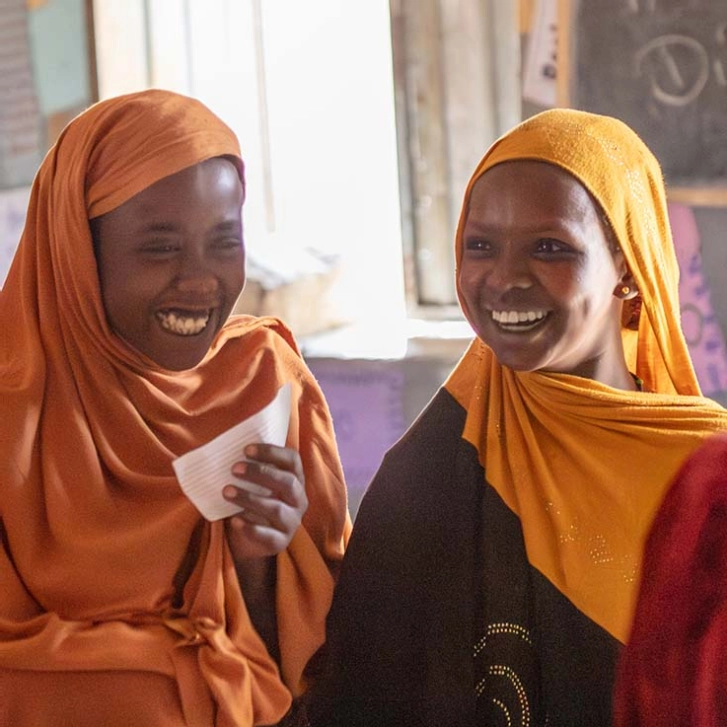
Shifting away from rote learning requires more than the right inputs. Meaningful learning can only take place when school systems put the right political, cultural, and behavioral conditions in place.

Ruta Azul, the sustainability and climate action plan of the Mexican university Tecnológico de Monterrey, has integrated sustainability into the school’s culture and educational model to build a community capable of addressing the climate crisis through coordinated action.

A response to nine essays on renewing the purpose of public education

The next era of public education will be judged less by the elegance of its ideas than by whether it responds, with humility and pragmatism, to the people it exists to serve.


Large-scale social change requires broad cross-sector coordination, not the isolated intervention of individual organizations.

American educators, policymakers, and philanthropists are overselling the role of the highly skilled individual teacher and undervaluing the benefits that come from teacher collaborations.
Both human-centered and systems-thinking methods fit within an effective design approach, and can work in conjunction to address social challenges.
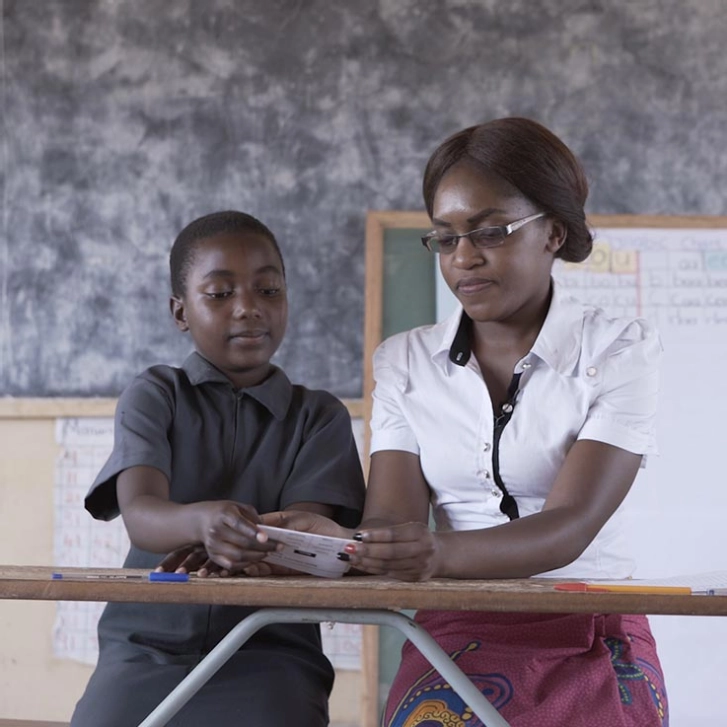
Research from the Abdul Latif Jameel Poverty Action Lab (J-PAL) and its partners shows how to help children learn amid erratic access to schools during a pandemic, and how those solutions may make progress toward the Sustainable Development Goal of ensuring a quality education for all by 2030.

How standardized testing, gentrification, school choice, and economic downturn have widened inequality to create an existential threat to democracy.