sponsored
Educating as if Democracy Depends on It
Preparing young people to participate and govern means moving beyond entrusting civic learning to a single course in high school or an elective on campus.

Preparing young people to participate and govern means moving beyond entrusting civic learning to a single course in high school or an elective on campus.

We judge philanthropic capital's impact by what it builds while it is building. We should judge by what stands, without it, after the grant has ended.
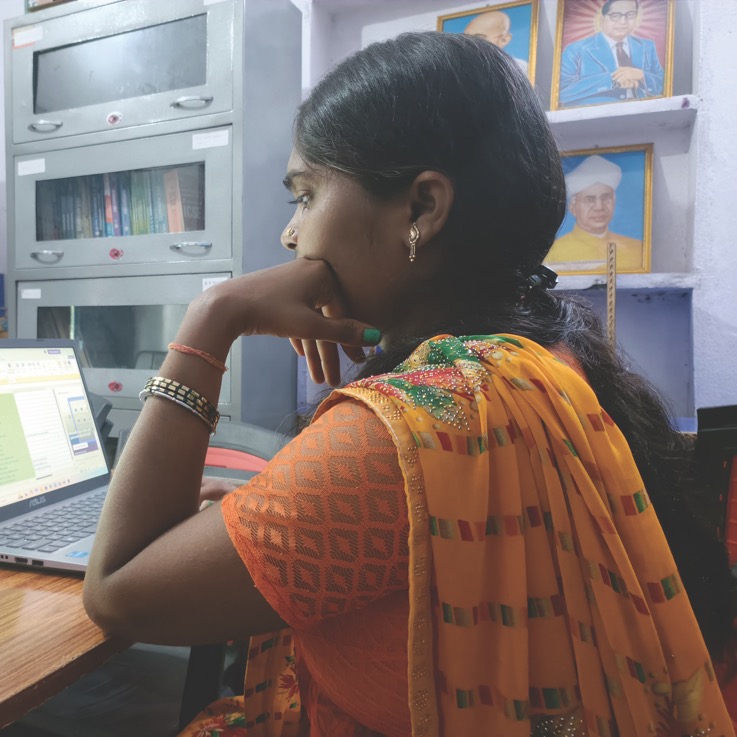
An Indian state's initiative to establish women-run community libraries is giving rural students—especially girls—a safe space to study and access career guidance.

A conversation with two nationally renowned school superintendents about the biggest challenges they face, the relationship between education and democracy, and the tension between innovation and equity.

How schools can support both individual and collective thriving in our democracy.


Large-scale social change requires broad cross-sector coordination, not the isolated intervention of individual organizations.

American educators, policymakers, and philanthropists are overselling the role of the highly skilled individual teacher and undervaluing the benefits that come from teacher collaborations.
Both human-centered and systems-thinking methods fit within an effective design approach, and can work in conjunction to address social challenges.
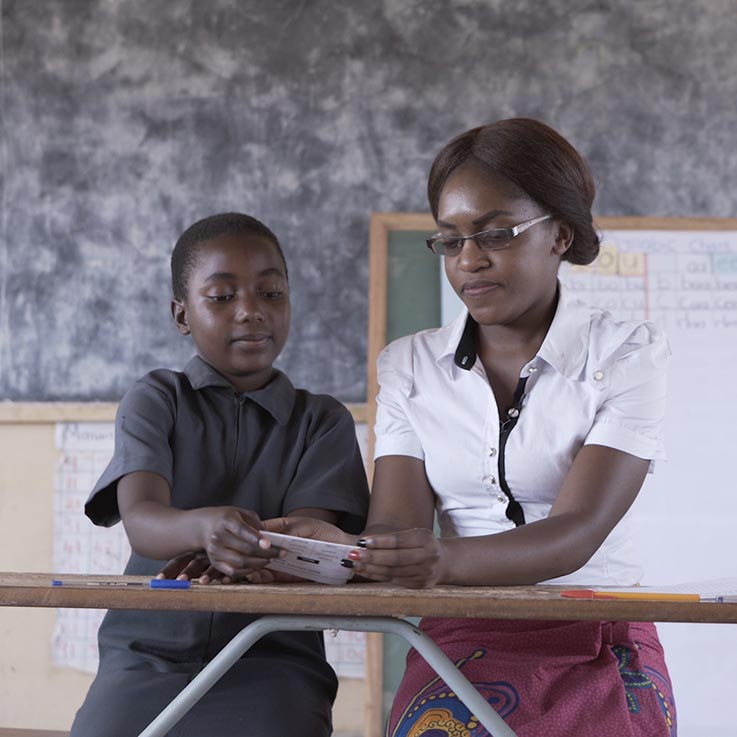
Research from the Abdul Latif Jameel Poverty Action Lab (J-PAL) and its partners shows how to help children learn amid erratic access to schools during a pandemic, and how those solutions may make progress toward the Sustainable Development Goal of ensuring a quality education for all by 2030.

How standardized testing, gentrification, school choice, and economic downturn have widened inequality to create an existential threat to democracy.