Build the Market First, Then Fund Innovation
Scaling proven solutions to the early childhood skills gap requires building a market for parenting interventions.

Scaling proven solutions to the early childhood skills gap requires building a market for parenting interventions.

Children can be taught to identify false health claims online, and the benefits can spread to their parents.

The Spring 2026 cover story examines how to invest in human flourishing in the age of AI. Plus: two important critiques of contemporary philanthropy and a new academic editor.

One Kyrgyz entrepreneur had an ambitious vision for transforming his country into a vital, independent nation free from its Soviet past. He reverse-engineered that vision into a stepping-stone strategy that is already having enormous impact in Kyrgyzstan and beyond.
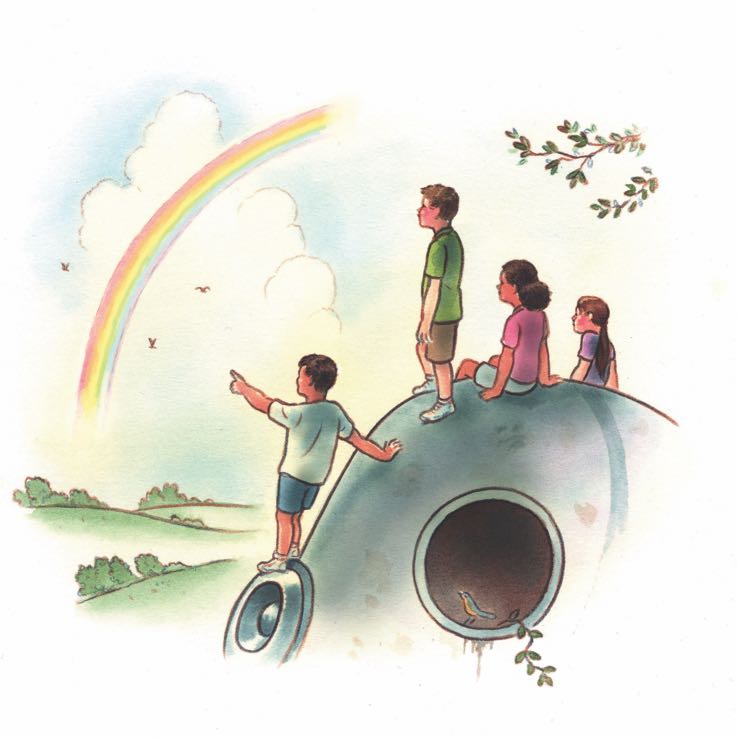
As AI begins to transform education, work, and social life, we need to focus on developing and expanding capacities essential for human flourishing.


Large-scale social change requires broad cross-sector coordination, not the isolated intervention of individual organizations.

American educators, policymakers, and philanthropists are overselling the role of the highly skilled individual teacher and undervaluing the benefits that come from teacher collaborations.
Both human-centered and systems-thinking methods fit within an effective design approach, and can work in conjunction to address social challenges.
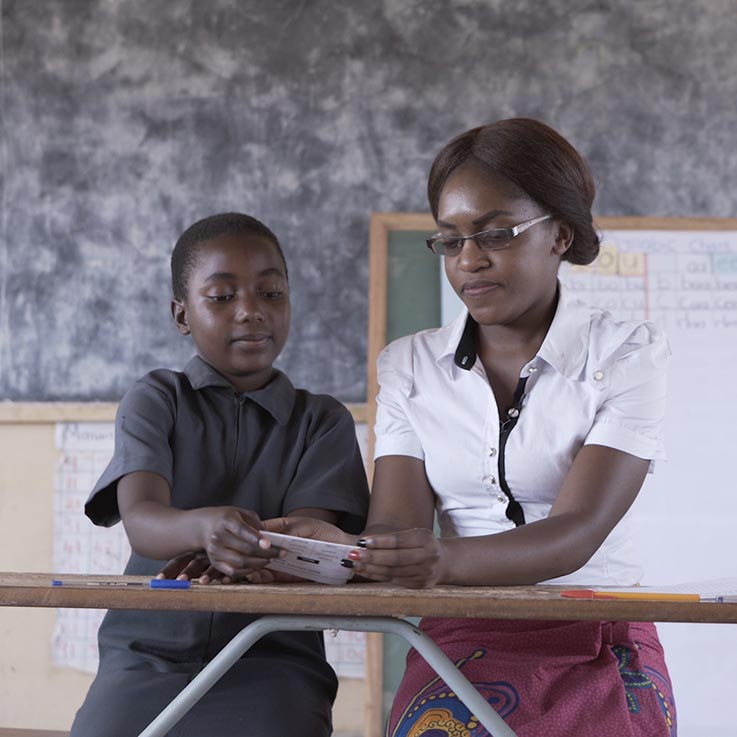
Research from the Abdul Latif Jameel Poverty Action Lab (J-PAL) and its partners shows how to help children learn amid erratic access to schools during a pandemic, and how those solutions may make progress toward the Sustainable Development Goal of ensuring a quality education for all by 2030.

How standardized testing, gentrification, school choice, and economic downturn have widened inequality to create an existential threat to democracy.