Avoiding Education’s Turing Trap
Generative AI can help advance a more creative, connected, and caring education system, but only if we employ it to enhance human intelligence.
Generative AI can help advance a more creative, connected, and caring education system, but only if we employ it to enhance human intelligence.
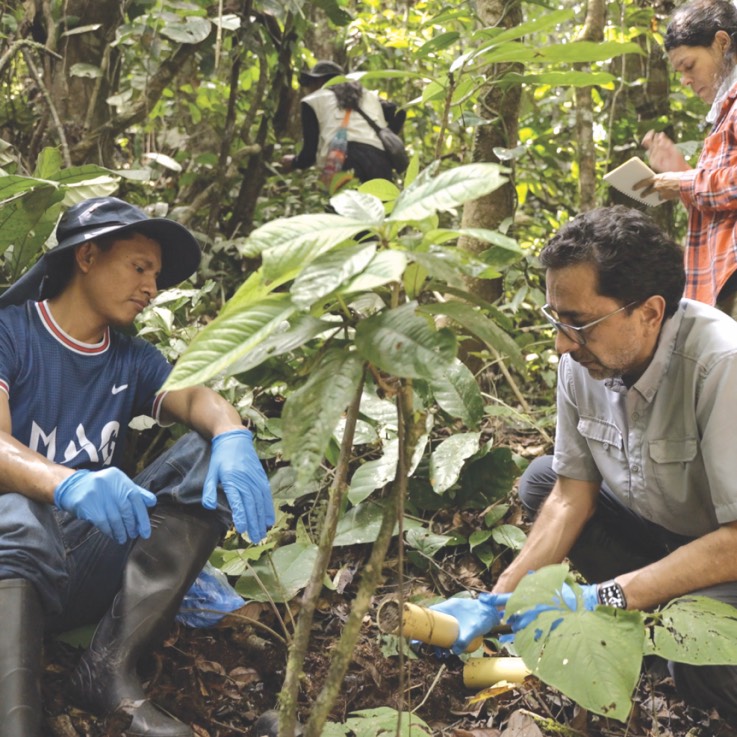
The More-Than-Human Life Program at New York University's School of Law is fighting to broaden concepts of justice and rights to include the natural world.
For many social initiatives, achieving transformative impact requires government leadership. Teaching at the Right Level (TaRL) Africa has gained important insights about effectively supporting government partners, adapting operations across contexts and borders, and working within existing systems.

With global education funding under severe strain, volunteer-based approaches to community-led education offer a cost-effective and sustainable model for progress.

The changing nature of jobs means workers need new education and training infrastructure to match.


Large-scale social change requires broad cross-sector coordination, not the isolated intervention of individual organizations.

American educators, policymakers, and philanthropists are overselling the role of the highly skilled individual teacher and undervaluing the benefits that come from teacher collaborations.
Both human-centered and systems-thinking methods fit within an effective design approach, and can work in conjunction to address social challenges.
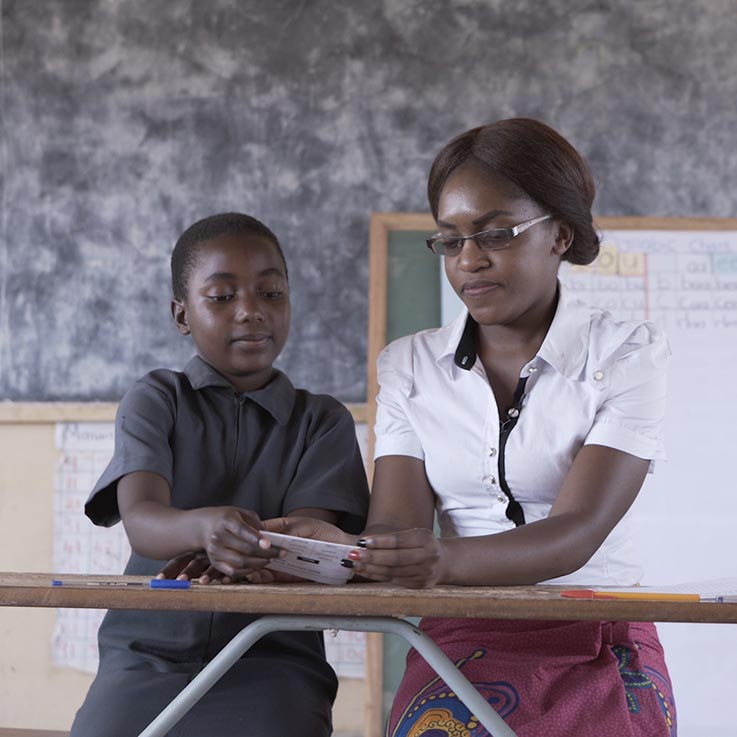
Research from the Abdul Latif Jameel Poverty Action Lab (J-PAL) and its partners shows how to help children learn amid erratic access to schools during a pandemic, and how those solutions may make progress toward the Sustainable Development Goal of ensuring a quality education for all by 2030.

How standardized testing, gentrification, school choice, and economic downturn have widened inequality to create an existential threat to democracy.