The AI Gender Gap Paradox
A case for fierce ambivalence

A case for fierce ambivalence

As regulatory rollbacks invite polluters to poison air, soil, and water, funders and advocates can respond by rallying around community-led solutions that prioritize health over corporate gain.
A Q&A about her 15-year tenure as SSIR's academic editor and how the field of social innovation is changing.
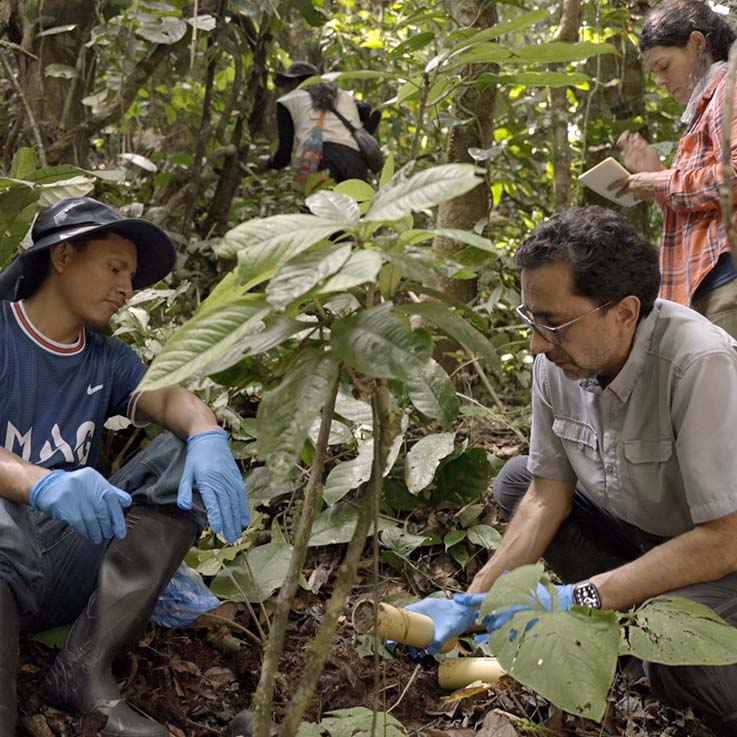
The More-Than-Human Life Program at New York University's School of Law is fighting to broaden concepts of justice and rights to include the natural world.

A new toolkit to reinforce and reinvent American research science in a time of crisis.


Large-scale social change requires broad cross-sector coordination, not the isolated intervention of individual organizations.

American educators, policymakers, and philanthropists are overselling the role of the highly skilled individual teacher and undervaluing the benefits that come from teacher collaborations.
Both human-centered and systems-thinking methods fit within an effective design approach, and can work in conjunction to address social challenges.
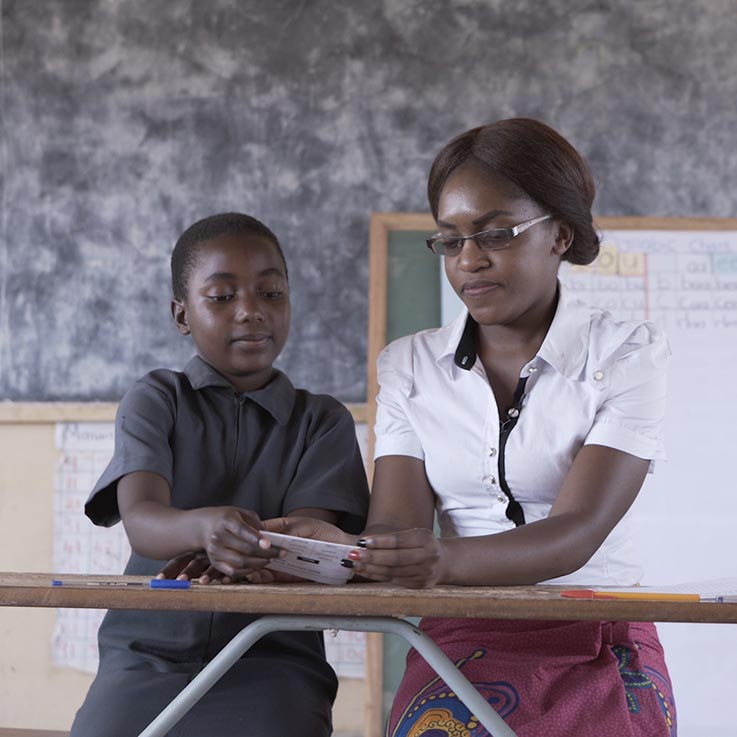
Research from the Abdul Latif Jameel Poverty Action Lab (J-PAL) and its partners shows how to help children learn amid erratic access to schools during a pandemic, and how those solutions may make progress toward the Sustainable Development Goal of ensuring a quality education for all by 2030.

How standardized testing, gentrification, school choice, and economic downturn have widened inequality to create an existential threat to democracy.