sponsored
How Collaboratives in India Partner With Government to Support Systems Change
These four learnings showcase the strengths of collaboratives—and can help others increase the odds of successful government partnerships.

These four learnings showcase the strengths of collaboratives—and can help others increase the odds of successful government partnerships.

A teachers’ union brings together members from opposed political sides by focusing on community interests.
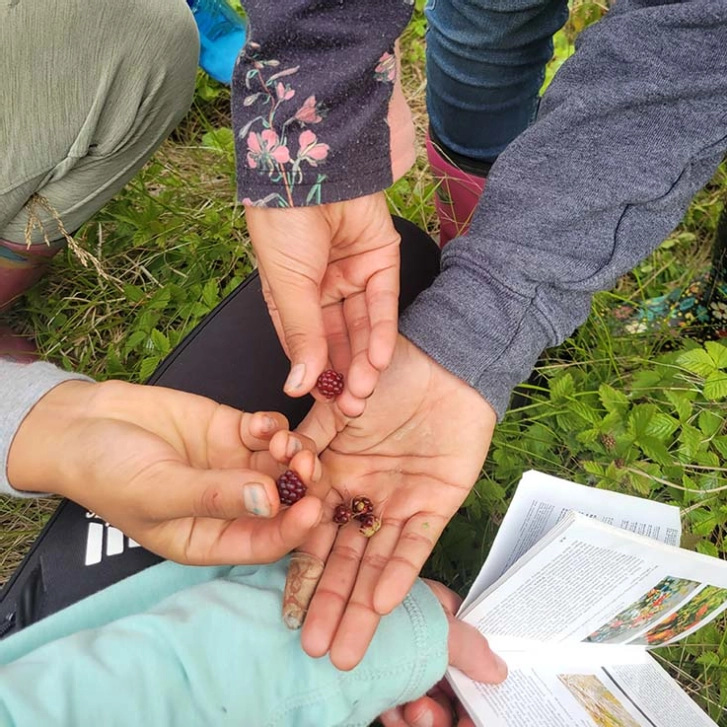
A model for lasting change through authentic, transformational partnership.
How does a poverty-fighting organization like Henry Street Settlement in New York City use arts education to strengthen the community and “serve the whole person” as its president and CEO puts it? How can donors best support these programs? David Garza of Henry Street Settlement, Kevin Greaney of PhilARThropy, and Eric Joranson of DAFGiving360 join SSIR editor Barbara Wheeler-Bride to discuss the importance of arts education and how donors can sustain these programs over time. A sponsored podcast developed with the support of DAFgiving360

The rise of AI-powered social services will mean walking a difficult tightrope between democratizing access to resources and depleting access to social connection.


Large-scale social change requires broad cross-sector coordination, not the isolated intervention of individual organizations.

American educators, policymakers, and philanthropists are overselling the role of the highly skilled individual teacher and undervaluing the benefits that come from teacher collaborations.
Both human-centered and systems-thinking methods fit within an effective design approach, and can work in conjunction to address social challenges.
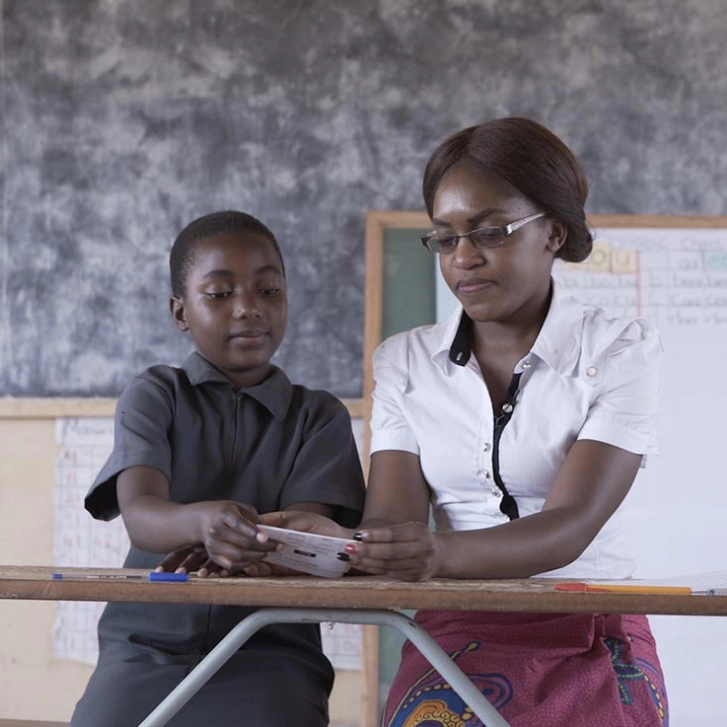
Research from the Abdul Latif Jameel Poverty Action Lab (J-PAL) and its partners shows how to help children learn amid erratic access to schools during a pandemic, and how those solutions may make progress toward the Sustainable Development Goal of ensuring a quality education for all by 2030.
How standardized testing, gentrification, school choice, and economic downturn have widened inequality to create an existential threat to democracy.