Whither Education Reform?
We can make progress by targeting big problems that are acknowledged across partisan lines and can galvanize supermajority support to solve them.
AI is being used in exciting ways to bridge educational divides, and AI-powered nonprofits are creating a roadmap for what the future of education may hold.
A warming world is causing adverse psychological and emotional impacts for many young people. Universities may be able to help by building opportunities for students to take relevant action beyond the classroom.
Understanding how nonprofits are leveraging AI will help other social entrepreneurs and funders see—and get inspired by—the vast possibilities in applying AI for social good.
How can organizations quantify the impact of the train-the-trainers model? A pioneering new study from a health-care nonprofit offers a template.
Large-scale social change requires broad cross-sector coordination, not the isolated intervention of individual organizations.
American educators, policymakers, and philanthropists are overselling the role of the highly skilled individual teacher and undervaluing the benefits that come from teacher collaborations.
Both human-centered and systems-thinking methods fit within an effective design approach, and can work in conjunction to address social challenges.
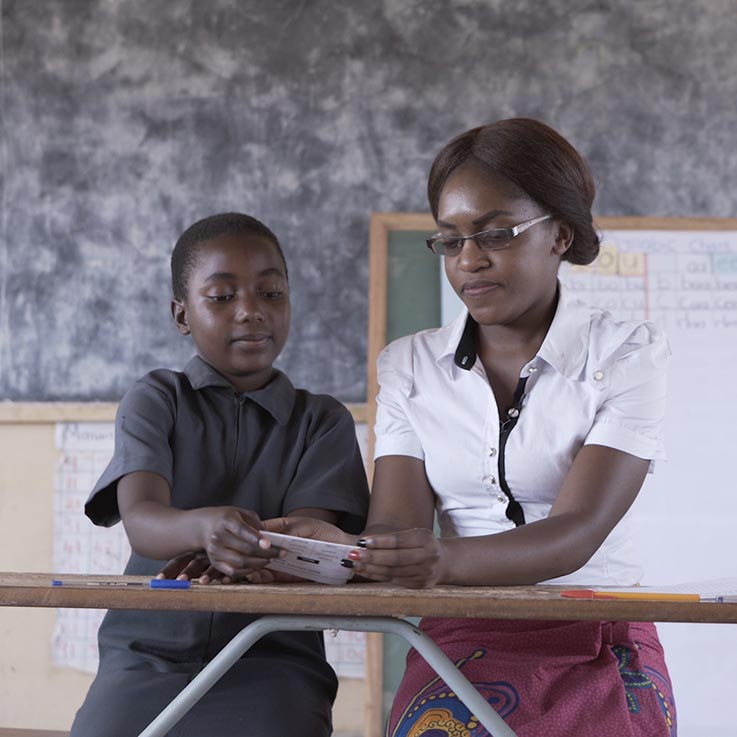
Research from the Abdul Latif Jameel Poverty Action Lab (J-PAL) and its partners shows how to help children learn amid erratic access to schools during a pandemic, and how those solutions may make progress toward the Sustainable Development Goal of ensuring a quality education for all by 2030.
How standardized testing, gentrification, school choice, and economic downturn have widened inequality to create an existential threat to democracy.